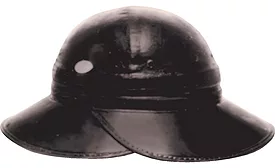
Women got the vote. Prohibition began. The National Football League was founded. And, the construction industry was forever changed by the invention of an often overlooked but significant worker safety advancement – the hard hat.
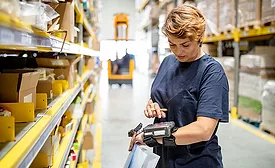
Americans spend over 24 hours a week online, and nearly two-thirds of Americans own at least one IoT connected device (connected car, smart TV, fitness tracker, home control system or appliance, internet-enabled voice command, smart glasses, smart watch, VR headset, or wearable).
Being a safety professional is not black and white like what you learned in university, college or what a safety enforcement officer will tell you. It is in fact, different shades of gray. This you will learn as you grow as a safety professional.
Work gloves with an oil grip, quality management software and a new N95 respirator were among the top occupational safety and health products featured on ISHN.com this week.
The effect of plastic on workers in the plastic industry, Apple’s efforts to resist curbs on distracted driving and amateur video helps a state OSH agency crack down on asbestos violators. These were among the top safety stories featured this week on ISHN.com.
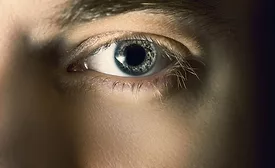
When new hires or temporary staff members join your team, it isn't enough to simply lay out the plan, give them their tools and expect them to get to work. In fact, failing to educate your team on proper safety protocols is exactly the kind of negligence that often leads to workplace eye injuries — or worse.
When it comes to eye injuries, the numbers are astonishing. In the U.S., more than 2,000 workers injure their eyes on the job every single day, with roughly one out of every 10 of those injuries resulting in employees missing work in order to recuperate. That's a drain on your bottom line to the tune of $300 million in medical bills, compensation and time off annually — and that's something you just can't afford.
Every year more than 100 workers are fatally injured and thousands suffer disabling injuries in ladder-related incidents. In March, the American Ladder Institute (ALI) is sponsoring its annual National Ladder Safety Month to promote ladder safety at work and home.
In the final seconds of the championship game, the quarterback hands off the football to his star running back. The running back skillfully weaves, dodges and avoids tackles. The home crowd cheers as he crosses the goal line, securing victory.
No, OSHA has not banned safety incentive programs. In fact, on October 11, 2018, agency regional administrators received a memo from Kim Stille, acting director of enforcement programs, which walks back the Obama administration OSHA’s more hard line stance on safety incentive programs. Even under former agency head Dr. David Michaels, OSHA never out-and-out “banned” incentive / reward programs. Michaels and his leadership team took a tougher line on incentive / reward programs that retaliated against or punished workers for reporting work-related injuries or illness.
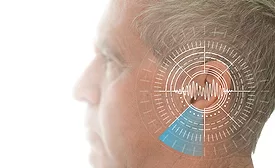
If you hear someone say “noise monitoring,” what do you picture? If you are like most people, your mind probably goes first to settings with heavy equipment in use versus a more recreational environment, given the historical regulations necessitating hearing protection in those settings.
 RSS
RSS