As the world population reaches 9.2 billion by 20401 and the global GDP likely to double over that same period2, demand for goods and energy is increasing as living standards continue to rise. To meet these needs, the industrial sector has been facing mounting pressure to quickly increase production.
Safety circuits used in machine guarding applications incorporate devices such as sensors and relays to de-energize equipment if any hazardous condition is detected. These conditions normally involve a machine guard not being closed, a presence sensor detecting personnel in an unsafe area or the triggering of an emergency stop function.
Safety managers are responsible for keeping workers safe, but it shouldn’t come at the expense of sales or productivity. That often starts with picking the right PPE provider. At its core, a PPE provider partnership is about delivering high levels of service and quality products.
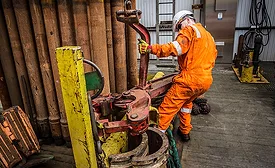
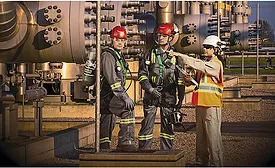
For safety managers in the oil & gas industry, flame resistant personal protective equipment is an indispensable tool to help mitigate daily flash fire hazards. Given the variety of FR PPE options, it can be hard to understand the needs of your specific job site.
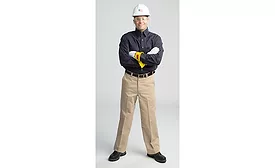
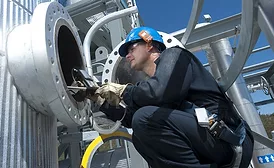
Wearing a hard hat is essential for protecting your most valuable tool: your brain. The effects of Traumatic Brain Injury or TBI can be devastating, not just for the injured, but for their families as well.
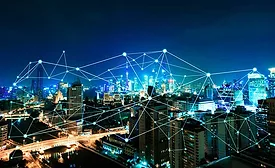
Oil majors and others are coming together more and more to figure out how to best tackle the challenges and opportunities that digital technologies provide. In an area that is particularly critical for all of them to get right, experts joined to discuss how new technologies and digitalization are transforming safety.
Drones have entered the oil and gas domain as a more comprehensive method of inspection – providing not only a flexible and cost-effective way to conduct inspections, but also a data-intensive structure for inspecting assets in a non-destructive manner.
Gas detection equipment is critical for protecting workers in the oil and gas industry due to the number of explosive, flammable, or toxic gases that can be released from wells, tanks, production equipment, and more.
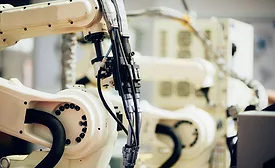
What does Artificial Intelligence (AI) have to do with workplace safety and health? NIOSH has been at the forefront of workplace safety and robotics, creating the Center for Occupational Robotics Research (CORR) and posting blogs such as A Robot May Not Injure a Worker: Working safely with robots. However, much remains unknown regarding the related field of AI, specifically the application of AI at work.
Alcumus, a leading UK-based software-led risk management solution provider, backed by the private equity firm Inflexion, is pleased to announce it has completed a majority investment in eCompliance, a Canadian-based workplace safety SaaS business.
 RSS
RSS