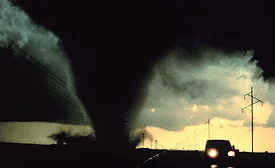
According to the Centers for Disease Control and Prevention, on average, over 600 people die from complications related to extreme heat each year in the United States - more than tornadoes, hurricanes, flooding, lightning or any other weather event combined.
Heat-related deaths and illnesses are preventable, but it’s important to identify the warning signs and to react swiftly and appropriately when they arise.
Army researchers have developed an application that helps unit leaders better predict the likelihood of heat illness for both training and operations.
The Heat Strain Decision Aid is an app for both computers and tablets that conducts simulations of heat stress so that planners can effectively set out time tables that allow soldiers to work while also protecting them from overexertion, which can lead to debilitating, even deadly heat-related conditions, according to a release.
Areas recovering from destructive Cyclone Fani will have to endure dangerous temperatures as a heat wave builds across northern and eastern India.
The heat already turned deadly with at least three deaths from sunstroke reported in Andhra Pradesh, according to OneIndia.
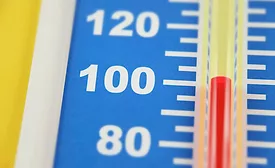
The human body can’t handle excessive heat. The processes that keep us alive work best within a certain temperature window. That’s generally between about 36° and 37° Celsius (96.8° to 98.6° Fahrenheit), depending on the person.
Cooperating with OSHA gets two employees fired – and their employer found guilty of retaliation; health experts want asbestos banned and the Association Health Plans program gets a defeat in court. These were among the top occupational safety and health stories featured on ISHN.com this week.
The progress of a Department of Energy (DOE) program to clean up the nation’s most dangerous nuclear waste sites appears to be slowing down even though it’s still devouring billions of dollars.
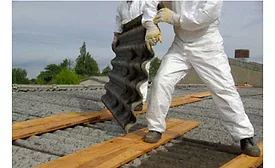
For decades, asbestos was considered an ideal substance used in a variety of industrial materials and equipment due to its remarkable heat and fire resistance properties, paired with incredible durability, poor electrical conductivity, and high tensile strength. Because of these properties, and because it was available in large quantities and inexpensive to produce, asbestos fibers were often combined with other materials for use in thousands of industrial, maritime, automotive, and building products.
The Owen Santarella Environmental Training Group announced today that the popular Environmental Regulatory Bootcamp seminar is coming back to San Antonio, Texas June-18- 21, 2019. With more than 50 years combined experience teaching environmental courses nationwide, Michael Owen and Joe Santarella are proud to offer The Environmental Regulatory Bootcamp straight from the source.
More and more people are using portable generators to make sure they don’t lose power during natural disasters. If not used correctly, however, these useful devices can pose dangers of their own, especially electrocution and carbon monoxide poisoning risks.
The CDC says that if water has been present anywhere near electrical circuits and electrical equipment, you should turn off the power at the main breaker or fuse on the service panel.
A deadly crane collapse, what we think about mental health problems and alarming U.S. air quality data were among the top stories featured on ISHN.com this week.