Although the fatal and destructive wildfires in California captured headlines last year, there were likely communities throughout the U.S. that remained untouched by wildfires because of the mitigation efforts of individuals and groups.
Those efforts – which the public is rarely aware of – were honored recently by a partnership consisting of the National Association of State Foresters (NASF), the International Association of Fire Chiefs (IAFC), the National Fire Protection Association (NFPA), and the USDA Forest Service (USFS).
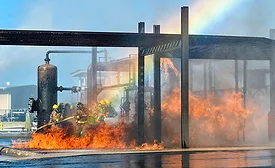
NFPA 2113: Standard on Flame-Resistant Garments for Protection of Industrial Personnel Against Flash Fire (latest edition 2015, next revision 2020) guides you to avoid risks associated with incorrect selection, use, and maintenance, as well as contamination and damage of flame-resistant (FR) garments.
Want to be healthier and help save the planet at the same time? A “planetary health diet” unveiled yesterday in the medical journal Lancet will do both, according to the international team of scientists who developed it.
The authors of the report say changes to the way we eat - across the globe - are urgently needed amid increasing obesity and climate change made worse by population growth, which is expected to reach 10 billion people by 2050.
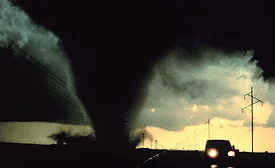
78% of disasters recorded in the United States each year are weather-related. Still, when asked what type of incidents they expect to respond to over the next year, Emergency Management Personnel (EMP) and public safety officials underestimate the number of weather-related disasters that will occur.
In the United States, workers required to wear respiratory protection must pass an annual respirator fit test. Fit tests help companies ensure worker safety by verifying a respirator can provide an OSHA-mandated and standardized level of protection.
Meeting the goals of the Paris Agreement could save about a million lives a year worldwide by 2050 through reductions in air pollution alone, according to the World Health Organization (WHO). The organization says latest estimates from leading experts also indicate that the value of health gains from climate action would be approximately double the cost of mitigation policies at global level, and the benefit-to-cost ratio is even higher in countries such as China and India.
An EPA climate change-related rule rollback, “burnout training for doctors, and a legal challenge filed by miners an Mine Safety and Health Administration action. These were among the top occupational safety, health and environment stories featured on ISHN.com this week.
The EPA’s proposed rollback of Obama-era limits on greenhouse gases emitted by coal-fired plants is drawing opposition from health and environmental groups. At issue: Carbon Pollution Standards for New, Modified and Reconstructed Power Plants, enacted in 2015, which were intended to slow climate change and reduce its effects.
The American Public Health Association (APHA) is calling the National Climate Assessment released last week is “a grave reminder of the action we need to take now to protect our communities from the negative health effects of climate change.”
Human health in the U.S. is one of the areas identified in the report as being negatively impacted by climate change.
In 2010, the Deepwater Horizon oil tragedy struck and took the nation’s attention for months.
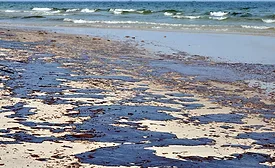
Two-hundred million gallons of oil spilled, 16,000 miles is the range it spread across the coastline from Florida to Texas, 8,000 animals were killed, and 11 workers were killed due to the explosion. Communities around the Gulf of Mexico came to a halt, but lurking underneath this disaster was an older spill spewing from an oil platform that was damaged six years earlier.
 RSS
RSS