ISHN logo
search
cart
facebook twitter linkedin youtube
  • Sign In
  • Create Account
  • Sign Out
  • My Account
ISHN logo
  • NEWS
    • Today's News
    • Global Safety News
    • Government Regulations
  • PRODUCTS
    • Product Innovations
    • Featured Products
  • TOPICS
    • Environmental Health and Safety
    • Facility Safety
    • Workplace Health
    • Occupational Safety
    • PPE
    • More Topics
  • CONSTRUCTION
  • TECHNOLOGY
  • COLUMNS
    • Best Practices
    • Dave Johnson: What’s going on
    • Editorial Comments
    • Leading Safety
  • MULTIMEDIA
    • ISHN Podcast
    • Videos
    • Cold Stress Education Quiz
    • Webinars
    • White Papers
  • MORE
    • Buyer's Guide
    • Newsletters
    • Convention Companion
    • Polls
    • Events
    • ISHN Store
    • Sponsor Insights
  • EMAGAZINE
    • eMagazine
    • Archived Issues
    • Contact
    • Advertise
  • JOIN TODAY!
Today's Safety NewsEnvironmental Health and Safety

Hospital workers wash hands less frequently toward end of shift, study finds

Research could have implications for other industries
November 14, 2014

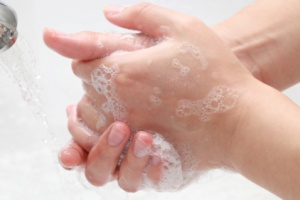
wash hands for healthHospital workers who deal directly with patients wash their hands less frequently as their workday progresses, probably because the demands of the job deplete the mental reserves they need to follow rules, according to new research published by the American Psychological Association (APA).

Researchers led by Hengchen Dai, a PhD candidate at the University of Pennsylvania, looked at three years of hand-washing data from 4,157 caregivers in 35 U.S. hospitals. They found that “hand-washing compliance rates” dropped by an average of 8.7 percentage points from the beginning to the end of a typical 12-hour shift. The decline in compliance was magnified by increased work intensity. 

“Just as the repeated exercise of muscles leads to physical fatigue, repeated use of executive resources (cognitive resources that allow people to control their behaviors, desires and emotions) produces a decline in an individual’s self-regulatory capacity,” the researchers wrote.

Time off restores protocols

More time off between shifts appeared to restore workers’ executive resources — they followed hand-washing protocol more carefully after longer breaks. 

“Demanding jobs have the potential to energize employees, but the pressure may make them focus more on maintaining performance on their primary tasks (e.g., patient assessment, medication distribution), particularly when they are fatigued,” Dai said. “For hospital caregivers, hand-washing may be viewed as a lower-priority task and thus it appears compliance with hand hygiene guidelines suffers as the workday progresses.”

Hand-washing prevents infections, saves money

Hand-washing in hospitals has been demonstrated to reduce infections and save money. In a 2000 study of Swiss hospitals, researchers found that a 1 percentage point increase in hand-washing compliance reduced the number of infections by 3.9 per 1,000 patients. Another study, in 2009, estimated that the cost per patient with a health care-acquired infection is $20,549. Using these data, Dai and her colleagues extrapolated their findings to all 5,723 registered hospitals in the United States and estimated that there would be an additional 600,000 infections per year at a cost of approximately $12.5 billion annually.

Research could be applied to other safety behaviors

“We believe ours is the first study investigating whether accumulated work demands can affect rule compliance over the course of a single workday, as opposed to over weeks, months or years,” said Katherine L. Milkman, PhD, another member of the research team. “We think this line of research could be applied to other types of workplace compliance, such as ethics standards in banking, safe driving behaviors in trucking and safety standards in manufacturing.”  

The researchers used data from Proventix, a company that focuses on helping health care providers improve their hand hygiene. Proventix uses radio frequency identification (RFID) technology to monitor whether health care workers are washing their hands as recommended — i.e., within a specified number of seconds of entering and leaving a patient’s room. Communication units attached to hand soap and sanitizer dispensers read the workers’ RFID badges.

Sixty-five percent of the caregivers in the sample were nurses. The remainder were patient care technicians (12 percent), therapists (7 percent), physicians (4 percent) and a handful of other types of employees.

Article: "The Impact of Time at Work and Time Off From Work on Rule Compliance: The Case of Hand Hygiene in Health Care,” Hengchen Dai, PhD candidate, and Katherine L. Milkman, PhD, The Wharton School, University of Pennsylvania; David A. Hofmann, PhD, and Bradley R. Staats, PhD, University of North Carolina Kenan-Flagler Business School; Journal of Applied Psychology; online Nov. 3, 2014.

KEYWORDS: handwashing health care workers infection prevention

Share This Story

Looking for a reprint of this article?
From high-res PDFs to custom plaques, order your copy today!

Recommended Content

JOIN TODAY
to unlock your recommendations.

Already have an account? Sign In

  • forklift safety

    Exploring the latest technologies in forklift safety

    With more staff and more stock in warehousing now more...
    Workplace Training Strategies
    By: Josh Cramer
  • welding

    All about welder’s flash or arc eye

    A flash burn is a painful inflammation of the cornea,...
    Environmental Health and Safety
  • dangerous jobs

    The 10 most dangerous jobs in the U.S.

    On-the-job deaths have been rising — hitting the highest...
    Occupational Safety
    By: Benita Mehta
Manage My Account
  • eMagazine Subscriptions
  • ISHN Newsletter & Other Newsletter Alerts
  • Online Registration
  • Manage My Preferences
  • Subscription Customer Service

More Videos

Sponsored Content

Sponsored Content is a special paid section where industry companies provide high quality, objective, non-commercial content around topics of interest to the ISHN audience. All Sponsored Content is supplied by the advertising company and any opinions expressed in this article are those of the author and not necessarily reflect the views of ISHN or its parent company, BNP Media. Interested in participating in our Sponsored Content section? Contact your local rep!

close
  • man wearing the the Sundström SR200 Full Face Mask Respirator
    Sponsored byOHD

    5 Fit Testing Mistakes That Could Cost You

  • This image shows Magid AcuSpex polarized blue mirrored safety glasses.
    Sponsored byMagid Glove and Safety

    Construction PPE Guide: What Crews Need for Each Task

  • lone worker in confined space
    Sponsored byAlphasense Ltd.

    GET THE LEAD OUT of your Safety Oxygen Sensors!

Popular Stories

SpaceX 7 launch

OSHA Investigating Fatal Fall at SpaceX Starbase

Automated loading dock equipment

After March 2026 Rivian Death, Safety Managers Reassess Loading Dock Systems Under OSHA's Warehouse Emphasis Program

psychology in the workplace

Most Workplaces Measure Psychological Safety, Ignoring Psychosocial Risks

top 10 most dangerous jobs

Poll

Seasonal Readiness

With the federal heat stress prevention rule on the horizon, which area of your safety program needs the most attention?
View Results Poll Archive

Products

Surviving an OSHA Audit A Management Guide, 2nd Edition

Surviving an OSHA Audit A Management Guide, 2nd Edition

See More Products

ISHN Podcasts

Related Articles

  • Survey: Workers need to wash hands better

    See More
  • accident

    Study finds Apple’s CarPlay, Google’s Android less distracting, but still not safe

    See More
  • Better health makes for better workers, study finds (4/8)

    See More

Related Products

See More Products
  • 1119906652.webp

    Alive and Well at the End of the Day: The Supervisor's Guide to Managing Safety in Operations, 2E

  • 3E

    Safety Professional's Reference and Study Guide, Third Edition

See More Products

Related Directories

  • Hand Tools Institute

    An important objective of the Hand Tools Institute is to facilitate training on safe and proper use of hand tools.
  • SafetyLine Lone Worker

    SafetyLine Lone Worker helps companies monitor the status of workers who are remote, alone, or working in hazardous situations. We are an automated check-in monitoring and emergency notification service. SafetyLine uses its communications infrastructure to ensure that workers have comprehensive monitoring, 24/7, without the need for costly monitoring centers.
×

Become a Leader in Safety Culture

Build your knowledge with ISHN, covering key safety, health and industrial hygiene news, products, and trends.

JOIN TODAY
  • RESOURCES
    • Advertise
    • Contact Us
    • Directories
    • Manufacturing Division
    • Store
    • Want More
  • SIGN UP TODAY
    • Create Account
    • eMagazine
    • Newsletters
    • Customer Service
    • Manage Preferences
  • SERVICES
    • Marketing Services
    • Reprints
    • Market Research
    • List Rental
    • Survey/Respondent Access
  • STAY CONNECTED
    • LinkedIn
    • Facebook
    • YouTube
    • X (Twitter)
  • PRIVACY
    • PRIVACY POLICY
    • TERMS & CONDITIONS
    • DO NOT SELL MY PERSONAL INFORMATION
    • PRIVACY REQUEST
    • ACCESSIBILITY

Copyright ©2026. All Rights Reserved BNP Media, Inc. and BNP Media II, LLC.

Design, CMS, Hosting & Web Development :: ePublishing