ISHN logo
search
cart
facebook twitter linkedin youtube
  • Sign In
  • Create Account
  • Sign Out
  • My Account
ISHN logo
  • NEWS
    • Today's News
    • Global Safety News
    • Government Regulations
  • PRODUCTS
    • Product Innovations
    • Featured Products
  • TOPICS
    • Environmental Health and Safety
    • Facility Safety
    • Workplace Health
    • Occupational Safety
    • PPE
    • More Topics
  • CONSTRUCTION
  • TECHNOLOGY
  • COLUMNS
    • Best Practices
    • Dave Johnson: What’s going on
    • Editorial Comments
    • Leading Safety
  • MULTIMEDIA
    • ISHN Podcast
    • Videos
    • Cold Stress Education Quiz
    • Webinars
    • White Papers
  • MORE
    • Buyer's Guide
    • Newsletters
    • Convention Companion
    • Polls
    • Events
    • ISHN Store
    • Sponsor Insights
  • EMAGAZINE
    • eMagazine
    • Archived Issues
    • Contact
    • Advertise
  • JOIN TODAY!
Today's Safety NewsOccupational SafetyOil and Gas Industry Safety & Health

Welding hazards can be lethal in offshore drilling
December 17, 2014

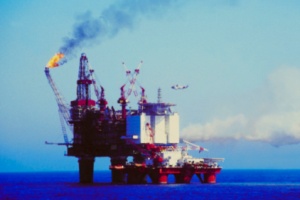
oil rigDespite an intensified focus on safety since the 2010 Deepwater Horizon rig explosion and oil spill, nearly 20 smaller oil companies continue to score poorly on safety inspections and have had their offshore platforms placed on a special watch list, according to data obtained by WWL-TV from the federal government.

Records suggest new federal regulations and tougher enforcement have caused larger, more established operators to improve their safety culture, but the government’s offshore safety agency is still struggling to make sure smaller independents and their far-flung contractors are stepping up safety.

Three die during welding work

For example, on Nov. 16, 2012, three workers died on Black Elk Energy Offshore Operation’s West Delta 32 E Platform in the Gulf of Mexico, New Orleans District. The explosion and fire, which occurred during welding work that was being conducted as part of construction operations, resulted in the deaths of Ellroy Corporal, Jerome Malagapo, and Avelino Tajonera (three individuals who were working on the platform), serious injuries to others, and the discharge of pollutants into the Gulf of Mexico, according to an investigation by the Bureau of Safety and Environmental Enforcement (BSEE), U.S. Dept. of the Interior.

BSEE regulations include specific requirements aimed at ensuring the safety of welding operations and general requirements regarding safety and environmental management systems.

How it happened

An investigation panel comprised of professionals from BSEE and the United States Coast Guard (the Panel) conducted an extensive investigation of the incident and identified a number of causes of the explosion and fire. The Panel found that the explosion and fire occurred when hydrocarbon vapors ignited while a GIS/DNR worker was welding on the incoming pipe segment to the wet oil tank located in the Lease Automatic Custody Transfer (LACT unit) area.

The ignition started a chain reaction that caused the wet oil tank and two connected dry oil tanks to explode. These explosions caused the three tanks to separate at their bases, launching the wet oil tank and the first dry oil tank into the Gulf of Mexico and blowing the second dry oil tank into the air. The second dry oil tank then struck the platform crane and landed back on the WD 32 E platform. The hydrocarbons in all three of the tanks were released onto the platform and into the Gulf of Mexico. The hydrocarbons on the platform subsequently ignited, starting a fire on the platform.

Basic failures

The Panel found that there was both a failure to comply with welding requirements (30 CFR § 250.113) and adherence to basic safety management tenants:

• Conducting “hot work” without taking proper safety precautions. Black Elk had a documented procedure that was to be followed prior to conducting “hot work” (which includes welding). Those procedures include the inspection of the work area, the use of gas detectors, and other precautions. The Panel found no evidence that any such precautions were taken.

• No worker invoked his “stop work” authority despite apparent anomalies. The Panel found no evidence that any of the workers on the WD 32 E platform on November 16, 2012 exercised stop work authority. According to witness statements, a number of these workers consistently worried about losing their jobs if they raised safety concerns.

Among the Panel’s recommendations, for welding operations, operators should clearly designate a welding supervisor or person in charge as outlined in 30 CFR § 250.111. Also, operators should require all operations and contract personnel involved in hot work to participate together in all safety meetings. The meeting should involve the initiating of the hot work permit and should ensure that the complete job scope is understood, all hazards are identified, and policies, regulations, contingencies, and communications are properly understood and implemented. And operators, contractors (including sub-contractors), and service companies should review methods of initiating a “stop-work” event to ensure that the system adopted will be effective and will encourage stoppage of work to prevent unsafe operations.

Source: the Shreveport Times; US Dept. of Interior, BSEE

KEYWORDS: environment. offshore oil operations serious injuries & fatalities (SIFs) welding safety

Share This Story

Looking for a reprint of this article?
From high-res PDFs to custom plaques, order your copy today!

Recommended Content

JOIN TODAY
to unlock your recommendations.

Already have an account? Sign In

  • forklift safety

    Exploring the latest technologies in forklift safety

    With more staff and more stock in warehousing now more...
    Facility Safety
    By: Josh Cramer
  • welding

    All about welder’s flash or arc eye

    A flash burn is a painful inflammation of the cornea,...
    Environmental Health and Safety
  • dangerous jobs

    The 10 most dangerous jobs in the U.S.

    On-the-job deaths have been rising — hitting the highest...
    Construction Industry Safety and Health
    By: Benita Mehta
Manage My Account
  • eMagazine Subscriptions
  • ISHN Newsletter & Other Newsletter Alerts
  • Online Registration
  • Manage My Preferences
  • Subscription Customer Service

More Videos

Sponsored Content

Sponsored Content is a special paid section where industry companies provide high quality, objective, non-commercial content around topics of interest to the ISHN audience. All Sponsored Content is supplied by the advertising company and any opinions expressed in this article are those of the author and not necessarily reflect the views of ISHN or its parent company, BNP Media. Interested in participating in our Sponsored Content section? Contact your local rep!

close
  • man wearing the the Sundström SR200 Full Face Mask Respirator
    Sponsored byOHD

    5 Fit Testing Mistakes That Could Cost You

  • This image shows Magid AcuSpex polarized blue mirrored safety glasses.
    Sponsored byMagid Glove and Safety

    Construction PPE Guide: What Crews Need for Each Task

  • lone worker in confined space
    Sponsored byAlphasense Ltd.

    GET THE LEAD OUT of your Safety Oxygen Sensors!

Popular Stories

SpaceX 7 launch

OSHA Investigating Fatal Fall at SpaceX Starbase

Worker Impairment

How to Tell When a Co-Worker is Impaired? A Safety Pro’s Challenge

Automated loading dock equipment

After March 2026 Rivian Death, Safety Managers Reassess Loading Dock Systems Under OSHA's Warehouse Emphasis Program

top 10 most dangerous jobs

Poll

Seasonal Readiness

With the federal heat stress prevention rule on the horizon, which area of your safety program needs the most attention?
View Results Poll Archive

Products

Surviving an OSHA Audit A Management Guide, 2nd Edition

Surviving an OSHA Audit A Management Guide, 2nd Edition

See More Products

ISHN Podcasts

Related Articles

  • Compressed air can be lethal

    Compressed air can be lethal

    See More
  • Environmental hazards can be indoors, too

    See More
  • heat stress

    Heat hazards can be deadly

    See More

Related Directories

  • e-Hazard

    E-Hazard is dedicated to building an electrical safety culture with you. Our electrical engineering services and training will prepare your team for any electrical safety needs or concerns. E-Hazard can help with electrical training, arc flash studies, electrical audits, electrical safety programs, LOTO, infrared scanning, NFPA 70B, consulting and much more.
  • ESAB Welding & Cutting

    At ESAB, we exist to shape the future of welding and cutting. We connect fabricators with the widest range of products and PPE under our industry-leading brand portfolio with the latest technologies to solve virtually any industry challenge — then we back it up with our knowledge, experience and passion to help them be more productive than ever before. To learn more, visit esab.com or call 1-800-ESAB-123.
×

Become a Leader in Safety Culture

Build your knowledge with ISHN, covering key safety, health and industrial hygiene news, products, and trends.

JOIN TODAY
  • RESOURCES
    • Advertise
    • Contact Us
    • Directories
    • Manufacturing Division
    • Store
    • Want More
  • SIGN UP TODAY
    • Create Account
    • eMagazine
    • Newsletters
    • Customer Service
    • Manage Preferences
  • SERVICES
    • Marketing Services
    • Reprints
    • Market Research
    • List Rental
    • Survey/Respondent Access
  • STAY CONNECTED
    • LinkedIn
    • Facebook
    • YouTube
    • X (Twitter)
  • PRIVACY
    • PRIVACY POLICY
    • TERMS & CONDITIONS
    • DO NOT SELL MY PERSONAL INFORMATION
    • PRIVACY REQUEST
    • ACCESSIBILITY

Copyright ©2026. All Rights Reserved BNP Media, Inc. and BNP Media II, LLC.

Design, CMS, Hosting & Web Development :: ePublishing