ISHN logo
search
cart
facebook twitter linkedin youtube
  • Sign In
  • Create Account
  • Sign Out
  • My Account
ISHN logo
  • NEWS
    • Today's News
    • Global Safety News
    • Government Regulations
  • PRODUCTS
    • Product Innovations
    • Featured Products
  • TOPICS
    • Environmental Health and Safety
    • Facility Safety
    • Workplace Health
    • Occupational Safety
    • PPE
    • More Topics
  • CONSTRUCTION
  • TECHNOLOGY
  • COLUMNS
    • Best Practices
    • Dave Johnson: What’s going on
    • Editorial Comments
    • Leading Safety
  • MULTIMEDIA
    • ISHN Podcast
    • Videos
    • Cold Stress Education Quiz
    • Webinars
    • White Papers
  • MORE
    • Buyer's Guide
    • Newsletters
    • Convention Companion
    • Polls
    • Events
    • ISHN Store
    • Sponsor Insights
  • EMAGAZINE
    • eMagazine
    • Archived Issues
    • Contact
    • Advertise
  • JOIN TODAY!
Occupational SafetyFacility Safety

Report: Recycling worker injury rate is 2x the average rate

June 23, 2015

A new study by environmental, occupational safety, and community benefits experts in collaboration with researchers at the University of Illinois School of Public Health finds that recycling work is unnecessarily hazardous to workers’ health and safety. Seventeen American recycling workers died on the job from 2011 to 2013. Recycling workers are more than twice as likely to be injured at work as the average worker.

By ensuring health and safety compliance across the industry, the study’s authors say cities can create good and safe recycling jobs, and they offer concrete policy recommendations for cities.

Doing the right thing the right way

"Recycling is the right thing to do, but we have to do it the right way," said Mary Vogel, executive director of the National Council for Occupational Safety and Health. "That means educating and empowering recycling workers, and using proven prevention strategies which we know will reduce exposure to hazardous conditions. That’s how we can avoid tragedies like the death of a recycling worker just last week in Florida.”

Key findings from the report, Safe & Sustainable Recycling: Protecting Workers who Protect the Planet, include:

  • The industry’s high injury and fatality rates are a result of unsafe working conditions around heavy machinery and exposure to hazardous items on the sort line, like hypodermic needles, toxic chemicals, and animal carcasses.
  • Many waste and recycling companies rely heavily on temporary workers, who have fewer workplace protections and are less likely to be informed of their legal right to a safe and healthy workplace.

“People put dangerous stuff in recycling bins,” said Mirna Santizo, who worked at a Casella recycling facility for 12 years, sorting recycling from Boston and other cities. “We found lots of broken glass and needles. Sometimes workers were punctured and hurt from the needles.”

“If we are serious about solving the world’s ecological crises, we need to invest in protecting the lives and livelihoods of workers whose daily efforts are reducing pollution, conserving precious resources, and mitigating climate change,” said Monica Wilson of GAIA, a contributor to the report.

To create good and safe recycling jobs, the authors recommend:

  • City governments evaluate the health and safety records of recycling companies and require these companies to have comprehensive worker safety programs,
  • The recycling industry ends the use of temporary workers, and
  • Cities enact strong community education programs for greater household separation of waste to minimize dangerous contaminants entering the recycling stream.

The report notes that unionized workers, with negotiated contracts in place enjoy more effective enforcement of legally mandated health and safety protections and also have the ability to bargain for additional safeguards to improve working conditions.

“Many cities have figured out how to collect recycling in ways that help our environment, and create good, safe jobs. It's time to extend that approach to every city, and to every step of the recycling chain, starting with recycling sorting facilities,” said Hays Witt with the Partnership for Working Families, a report contributor.

Worker crushed in Florida

Since this report went to press, a Florida man was crushed to death on June 15, 2015 in a cardboard compactor while working at a recycling plant in Winter Garden, outside of Orlando.

The report notes important economic and climate benefits from expanding recycling nationally, including climate benefits equivalent to shutting down one-fifth of U.S. coal power plants and sustaining a total of 2.3 million jobs. That is more than 10 times the number of jobs than sending the same material to garbage incinerators and landfills.

“Safe and Sustainable Recycling” is released by:

GAIA a worldwide alliance of more than 800 grassroots groups, non-governmental organizations, and individuals in over 90 countries whose ultimate vision is a just, toxic-free world without incineration. no-burn.org

Partnership for Working Families is a national network of leading regional advocacy organizations. Together we are a voice for working families, promoting policies that create quality jobs and thriving, healthy communities. forworkingfamilies.org

National Council for Occupational Safety and Health (National COSH): National COSH links the efforts of local worker health and safety coalitions in communities across the United States, advocating for elimination of preventable hazards in the workplace. coshnetwork.org.

Authors include experts including at the University of Illinois, Chicago Hospital and Health Sciences System and Massachusetts Coalition for Occupational Safety and Health (MassCOSH).

KEYWORDS: injuries National Council of Occupational Safety and Health (National COSH) serious injuries & fatalities (SIFs)

Share This Story

Looking for a reprint of this article?
From high-res PDFs to custom plaques, order your copy today!

Recommended Content

JOIN TODAY
to unlock your recommendations.

Already have an account? Sign In

  • forklift safety

    Exploring the latest technologies in forklift safety

    With more staff and more stock in warehousing now more...
    Workplace Training Strategies
    By: Josh Cramer
  • welding

    All about welder’s flash or arc eye

    A flash burn is a painful inflammation of the cornea,...
    Environmental Health and Safety
  • dangerous jobs

    The 10 most dangerous jobs in the U.S.

    On-the-job deaths have been rising — hitting the highest...
    Occupational Safety
    By: Benita Mehta
Manage My Account
  • eMagazine Subscriptions
  • ISHN Newsletter & Other Newsletter Alerts
  • Online Registration
  • Manage My Preferences
  • Subscription Customer Service

More Videos

Sponsored Content

Sponsored Content is a special paid section where industry companies provide high quality, objective, non-commercial content around topics of interest to the ISHN audience. All Sponsored Content is supplied by the advertising company and any opinions expressed in this article are those of the author and not necessarily reflect the views of ISHN or its parent company, BNP Media. Interested in participating in our Sponsored Content section? Contact your local rep!

close
  • man wearing the the Sundström SR200 Full Face Mask Respirator
    Sponsored byOHD

    5 Fit Testing Mistakes That Could Cost You

  • This image shows Magid AcuSpex polarized blue mirrored safety glasses.
    Sponsored byMagid Glove and Safety

    Construction PPE Guide: What Crews Need for Each Task

  • lone worker in confined space
    Sponsored byAlphasense Ltd.

    GET THE LEAD OUT of your Safety Oxygen Sensors!

Popular Stories

SpaceX 7 launch

OSHA Investigating Fatal Fall at SpaceX Starbase

Worker Impairment

How to Tell When a Co-Worker is Impaired? A Safety Pro’s Challenge

Automated loading dock equipment

After March 2026 Rivian Death, Safety Managers Reassess Loading Dock Systems Under OSHA's Warehouse Emphasis Program

top 10 most dangerous jobs

Poll

Seasonal Readiness

With the federal heat stress prevention rule on the horizon, which area of your safety program needs the most attention?
View Results Poll Archive

Products

Surviving an OSHA Audit A Management Guide, 2nd Edition

Surviving an OSHA Audit A Management Guide, 2nd Edition

See More Products

ISHN Podcasts

Related Articles

  • Towing industry death rate 15X the average for private industry

    See More
  • decrease

    Wisc. manufacturer dramatically reduces injury rate

    See More
  • Fatal workplace injury rate stays the same

    See More

Related Products

See More Products
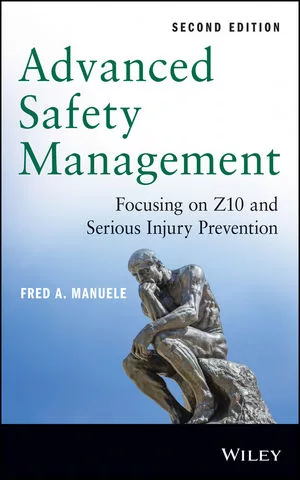
  • 1118645685.jpg

    Advanced Safety Management: Focusing on Z10 and Serious Injury Prevention, 2nd Edition

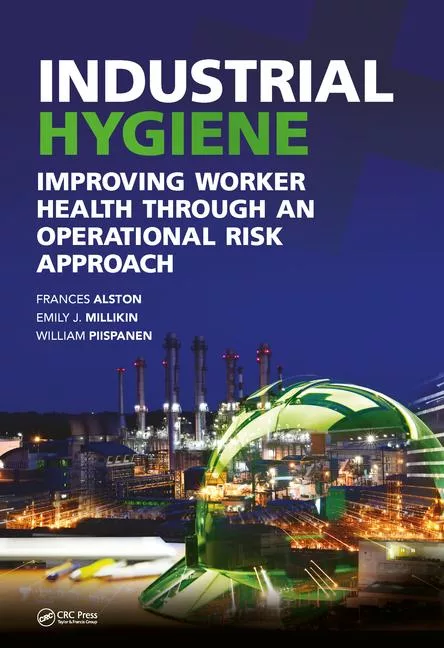
  • industrial hy.jpg

    Industrial Hygiene: Improving Worker Health through an Operational Risk Approach

See More Products
×

Become a Leader in Safety Culture

Build your knowledge with ISHN, covering key safety, health and industrial hygiene news, products, and trends.

JOIN TODAY
  • RESOURCES
    • Advertise
    • Contact Us
    • Directories
    • Manufacturing Division
    • Store
    • Want More
  • SIGN UP TODAY
    • Create Account
    • eMagazine
    • Newsletters
    • Customer Service
    • Manage Preferences
  • SERVICES
    • Marketing Services
    • Reprints
    • Market Research
    • List Rental
    • Survey/Respondent Access
  • STAY CONNECTED
    • LinkedIn
    • Facebook
    • YouTube
    • X (Twitter)
  • PRIVACY
    • PRIVACY POLICY
    • TERMS & CONDITIONS
    • DO NOT SELL MY PERSONAL INFORMATION
    • PRIVACY REQUEST
    • ACCESSIBILITY

Copyright ©2026. All Rights Reserved BNP Media, Inc. and BNP Media II, LLC.

Design, CMS, Hosting & Web Development :: ePublishing