ISHN logo
search
cart
facebook twitter linkedin youtube
  • Sign In
  • Create Account
  • Sign Out
  • My Account
ISHN logo
  • NEWS
    • Today's News
    • Global Safety News
    • Government Regulations
  • PRODUCTS
    • Product Innovations
    • Featured Products
  • TOPICS
    • Environmental Health and Safety
    • Facility Safety
    • Workplace Health
    • Occupational Safety
    • PPE
    • More Topics
  • CONSTRUCTION
  • TECHNOLOGY
  • COLUMNS
    • Best Practices
    • Dave Johnson: What’s going on
    • Editorial Comments
    • Leading Safety
  • MULTIMEDIA
    • ISHN Podcast
    • Videos
    • Cold Stress Education Quiz
    • Webinars
    • White Papers
  • MORE
    • Buyer's Guide
    • Newsletters
    • Convention Companion
    • Polls
    • Events
    • ISHN Store
    • Sponsor Insights
  • EMAGAZINE
    • eMagazine
    • Archived Issues
    • Contact
    • Advertise
  • JOIN TODAY!
Today's Safety NewsWorkplace Health

EPA, American Lung Association take aim at radon to reduce lung cancer deaths

November 11, 2015

The EPA, American Lung Association, and other partners have announced a strategy for preventing 3,200 lung cancer deaths annually by 2020 through radon exposure reduction strategies. Exposure to radioactive radon gas is the second leading cause of lung cancer in America. The goal to save these lives will be achieved by reducing high radon levels in five million homes, apartments, schools and childcare centers. The partnership includes three federal departments and agencies, and nine national organizations.

Combining resources

“EPA is very pleased to be a partner in this important life-saving effort to prevent lung cancer caused by radon. Working together creates new opportunities for reducing the risk from radon. Combining our resources will save American lives by magnifying our effectiveness in preventing exposure to radon in homes and schools,” said EPA Administrator Gina McCarthy.

The National Radon Action Plan: A Strategy for Saving Lives sets out strategies to drive the changes needed to reduce exposure to radon. Strategies include requiring radon testing and reduction systems as a standard practice in housing finance and insurance programs, and institutionalizing radon risk reduction through building code requirements.

The strategy builds on the successes of the 2011 Federal Radon Action Plan, which has led to protections from radon in more than 105,000 multi-family homes financed by HUD, among other actions by the federal government. Today’s plan broadens the scope and reach of the Federal Radon Action Plan by including the health, scientific and technical expertise of the national partners.

What is radon and why is it so dangerous?

Radon is a radioactive gas that comes from the decay of uranium in the ground. Nearly all soils contain some naturally occurring uranium. Radon seeps up from the soil into buildings where it can accumulate to high levels. Since radon is invisible and odorless, dangerous levels can exist indoors without occupants knowing. Testing is the only way to know the radon level in your home or school.  Exposure to radon causes an estimated 21,000 lung cancer deaths annually. After smoking, radon is the second-leading cause of lung cancer. However, affordable measures effective in reducing radon indoors are available, and when employed can prevent radon-induced lung cancer and save lives.

The collaborative strategy aligns federal efforts with those of other national organizations dedicated to lowering radon exposure: the American Lung Association (ALA), American Association of Radon Scientists and Technologists (AARST), the American Society of Home Inspectors (ASHI), Cancer Survivors Against Radon (CanSAR), the Children’s Environmental Health Network (CEHN), Citizens for Radioactive Radon Reduction, the Conference of Radiation Control Program Directors (CRCPD), the Environmental Law Institute (ELI), and the National Center for Healthy Housing (NCHH). In addition to EPA, the federal partners are the Department of Housing and Urban Development (HUD), and the Department of Health and Human Services (HHS).

The new National Plan can be found at www.epa.gov/radon/national-radon-action-plan-strategy-saving-lives.

For more information visit www2.epa.gov/radon.
 

KEYWORDS: cancer

Share This Story

Looking for a reprint of this article?
From high-res PDFs to custom plaques, order your copy today!

Recommended Content

JOIN TODAY
to unlock your recommendations.

Already have an account? Sign In

  • forklift safety

    Exploring the latest technologies in forklift safety

    With more staff and more stock in warehousing now more...
    Facility Safety
    By: Josh Cramer
  • welding

    All about welder’s flash or arc eye

    A flash burn is a painful inflammation of the cornea,...
    Environmental Health and Safety
  • dangerous jobs

    The 10 most dangerous jobs in the U.S.

    On-the-job deaths have been rising — hitting the highest...
    Transportation Safety
    By: Benita Mehta
Manage My Account
  • eMagazine Subscriptions
  • ISHN Newsletter & Other Newsletter Alerts
  • Online Registration
  • Manage My Preferences
  • Subscription Customer Service

More Videos

Sponsored Content

Sponsored Content is a special paid section where industry companies provide high quality, objective, non-commercial content around topics of interest to the ISHN audience. All Sponsored Content is supplied by the advertising company and any opinions expressed in this article are those of the author and not necessarily reflect the views of ISHN or its parent company, BNP Media. Interested in participating in our Sponsored Content section? Contact your local rep!

close
  • man wearing the the Sundström SR200 Full Face Mask Respirator
    Sponsored byOHD

    5 Fit Testing Mistakes That Could Cost You

  • This image shows Magid AcuSpex polarized blue mirrored safety glasses.
    Sponsored byMagid Glove and Safety

    Construction PPE Guide: What Crews Need for Each Task

  • lone worker in confined space
    Sponsored byAlphasense Ltd.

    GET THE LEAD OUT of your Safety Oxygen Sensors!

Popular Stories

SpaceX 7 launch

OSHA Investigating Fatal Fall at SpaceX Starbase

dust explosion

Tennessee OSHA Issues Record $3.1M Fine After Deadly Explosion at Munitions Plant

Worker Impairment

How to Tell When a Co-Worker is Impaired? A Safety Pro’s Challenge

top 10 most dangerous jobs

Poll

Seasonal Readiness

With the federal heat stress prevention rule on the horizon, which area of your safety program needs the most attention?
View Results Poll Archive

Products

Surviving an OSHA Audit A Management Guide, 2nd Edition

Surviving an OSHA Audit A Management Guide, 2nd Edition

See More Products

ISHN Podcasts

Related Articles

  • Diesel exhaust the culprit in some lung cancer deaths

    See More
  • American Lung Association: Climate change is making our air more unhealthy

    See More
  • Clean Power Plan changes will harm public health, says American Lung Association

    See More

Related Products

See More Products
  • 111885960X.jpg

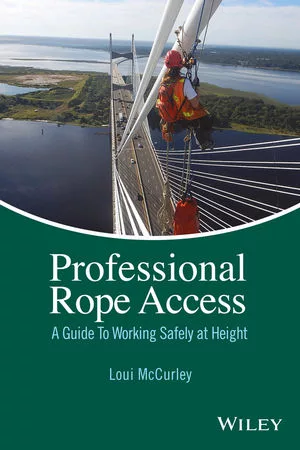
    Professional Rope Access: A Guide To Working Safely at Height

  • 1119906652.webp

    Alive and Well at the End of the Day: The Supervisor's Guide to Managing Safety in Operations, 2E

See More Products

Related Directories

  • Association of American Railroads (AAR)

    Since 1934, AAR has been the leading voice for the U.S. freight rail industry, driving policy, research, and technology to enhance safety and efficiency. Freight rail is a cornerstone of the U.S. economy, powering industries, facilitating trade, and supporting some of America’s safest and highest paid jobs—all while operating on a privately funded infrastructure that eases congestion on taxpayer-funded roads. From bulk commodities to intermodal freight, rail ensures the seamless movement of goods nationwide, serving as a vital link in global supply chains.
  • American Heart Association

×

Become a Leader in Safety Culture

Build your knowledge with ISHN, covering key safety, health and industrial hygiene news, products, and trends.

JOIN TODAY
  • RESOURCES
    • Advertise
    • Contact Us
    • Directories
    • Manufacturing Division
    • Store
    • Want More
  • SIGN UP TODAY
    • Create Account
    • eMagazine
    • Newsletters
    • Customer Service
    • Manage Preferences
  • SERVICES
    • Marketing Services
    • Reprints
    • Market Research
    • List Rental
    • Survey/Respondent Access
  • STAY CONNECTED
    • LinkedIn
    • Facebook
    • YouTube
    • X (Twitter)
  • PRIVACY
    • PRIVACY POLICY
    • TERMS & CONDITIONS
    • DO NOT SELL MY PERSONAL INFORMATION
    • PRIVACY REQUEST
    • ACCESSIBILITY

Copyright ©2026. All Rights Reserved BNP Media, Inc. and BNP Media II, LLC.

Design, CMS, Hosting & Web Development :: ePublishing