ISHN logo
search
cart
facebook twitter linkedin youtube
  • Sign In
  • Create Account
  • Sign Out
  • My Account
ISHN logo
  • NEWS
    • Today's News
    • Global Safety News
    • Government Regulations
  • PRODUCTS
    • Product Innovations
    • Featured Products
  • TOPICS
    • Environmental Health and Safety
    • Facility Safety
    • Workplace Health
    • Occupational Safety
    • PPE
    • More Topics
  • CONSTRUCTION
  • TECHNOLOGY
  • COLUMNS
    • Best Practices
    • Dave Johnson: What’s going on
    • Editorial Comments
    • Leading Safety
  • MULTIMEDIA
    • ISHN Podcast
    • Videos
    • Cold Stress Education Quiz
    • Webinars
    • White Papers
  • MORE
    • Buyer's Guide
    • Newsletters
    • Convention Companion
    • Polls
    • Events
    • ISHN Store
    • Sponsor Insights
  • EMAGAZINE
    • eMagazine
    • Archived Issues
    • Contact
    • Advertise
  • JOIN TODAY!
Transportation Safety

Feds to states: Make sure traffic lights connected to railroad crossings are working

Goal is to reduce fatalities

February 19, 2016

The Federal Railroad Administration (FRA) is urging state departments of transportation to verify that railroad crossing warning systems interconnected to traffic lights function properly. The agency also urged states to add event recorders to traffic lights connected to railroad crossing systems so information obtained during inspections can be used to improve safety. Across the United States, there are nearly 5,000 railroad crossings interconnected with traffic lights. View a state-by-state list of crossings connected to traffic lights: http://www.fra.dot.gov/eLib/Details/L17343.

“Reducing fatalities at railroad crossings is an achievable goal. But we can only achieve it if federal, state and local governments work together with railroads to verify that these crossings connected to traffic lights work properly,” said U.S. Transportation Secretary Anthony Foxx.

A top priority

“I have made improving railroad crossing safety a top priority of mine because I know that we can and must do better,” FRA Administrator Sarah E. Feinberg wrote in a letter to the heads of state departments of transportation across the country. “But the Federal Railroad Administration cannot solve this problem on its own. Unless we work closely with state and local officials, law enforcement, railroads and transportation officials, and other stakeholders, we will not have the impact we are striving for and we will not save as many lives. But working together, I know we can do more to prevent these incidents.

”While railroads are required to inspect lights and gates at railroad crossings monthly, FRA has urged states before—and is doing again today in a letter with an attached safety advisory—to have traffic experts periodically join railroads on those inspections. During those joint inspections, traffic experts and railroads should verify that the traffic lights and crossing lights are properly sequenced and enough time is provided for traffic to clear from a nearby intersection before a train enters a crossing.

Ensure that signals are synced

“Simply put: We strongly recommend that state and local transportation officials, together with railroad officials, visit crossings in their region and monitor and test crossing signals and adjacent traffic signals to ensure that the signals are synced and operating properly,” Feinberg wrote.

Last year, FRA launched a new, comprehensive campaign to reverse the recent uptick in railroad crossing fatalities. The campaign includes partnering with Google and other tech companies to use FRA data that pinpoints the country’s 200,000 railroad crossings to add visual and audio alerts to map applications. FRA has also worked with local police to increase enforcement around railroad crossings.

In 2010, the Federal Railroad Administration reminded states across the country in a safety advisory of the importance of ensuring that railroad crossing systems and traffic signal systems are coordinated with each other and work properly to control traffic flow at and near railroad crossings. Safety has always been paramount since FRA’s establishment in 1966. While the number of incidents, deaths and injuries has declined since then, FRA remains committed to reducing the annual number of crossing fatalities to zero.

KEYWORDS: railroad crossing fatalities railroad industry safety train safety

Share This Story

Looking for a reprint of this article?
From high-res PDFs to custom plaques, order your copy today!

Recommended Content

JOIN TODAY
to unlock your recommendations.

Already have an account? Sign In

  • forklift safety

    Exploring the latest technologies in forklift safety

    With more staff and more stock in warehousing now more...
    Workplace Training Strategies
    By: Josh Cramer
  • welding

    All about welder’s flash or arc eye

    A flash burn is a painful inflammation of the cornea,...
    Environmental Health and Safety
  • dangerous jobs

    The 10 most dangerous jobs in the U.S.

    On-the-job deaths have been rising — hitting the highest...
    Transportation Safety
    By: Benita Mehta
Manage My Account
  • eMagazine Subscriptions
  • ISHN Newsletter & Other Newsletter Alerts
  • Online Registration
  • Manage My Preferences
  • Subscription Customer Service

More Videos

Sponsored Content

Sponsored Content is a special paid section where industry companies provide high quality, objective, non-commercial content around topics of interest to the ISHN audience. All Sponsored Content is supplied by the advertising company and any opinions expressed in this article are those of the author and not necessarily reflect the views of ISHN or its parent company, BNP Media. Interested in participating in our Sponsored Content section? Contact your local rep!

close
  • man wearing the the Sundström SR200 Full Face Mask Respirator
    Sponsored byOHD

    5 Fit Testing Mistakes That Could Cost You

  • This image shows Magid AcuSpex polarized blue mirrored safety glasses.
    Sponsored byMagid Glove and Safety

    Construction PPE Guide: What Crews Need for Each Task

  • lone worker in confined space
    Sponsored byAlphasense Ltd.

    GET THE LEAD OUT of your Safety Oxygen Sensors!

Popular Stories

SpaceX 7 launch

OSHA Investigating Fatal Fall at SpaceX Starbase

dust explosion

Tennessee OSHA Issues Record $3.1M Fine After Deadly Explosion at Munitions Plant

Worker Impairment

How to Tell When a Co-Worker is Impaired? A Safety Pro’s Challenge

top 10 most dangerous jobs

Poll

Seasonal Readiness

With the federal heat stress prevention rule on the horizon, which area of your safety program needs the most attention?
View Results Poll Archive

Products

Surviving an OSHA Audit A Management Guide, 2nd Edition

Surviving an OSHA Audit A Management Guide, 2nd Edition

See More Products

ISHN Podcasts

Related Articles

  • DOT takes steps to improve safety of U.S. railroad crossings

    See More
  • Feds are working on drone traffic management systems

    See More
  • Do you live near one of the most dangerous railroad crossings in the U.S.?

    See More

Related Products

See More Products
  • 111885960X.jpg

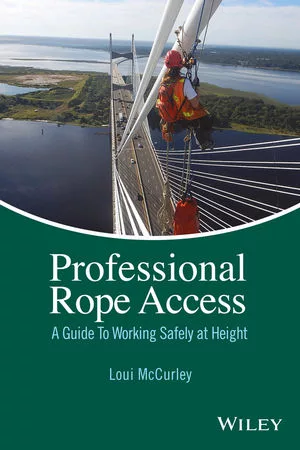
    Professional Rope Access: A Guide To Working Safely at Height

See More Products

Events

View AllSubmit An Event
  • December 16, 2016

    ASSE to host virtual symposium on new OSHA Walking-Working Standard

    The American Society of Safety Engineers is offering a virtual symposium to help occupational safety and health professionals better understand the sweeping changes OSHA recently made to its final rule on Walking-Working Surfaces and Personal Fall Protection standards in relation to slip, trip and fall hazards.
View AllSubmit An Event

Related Directories

  • Fenix Lighting

    Fenix builds quality LED lights for hands, heads and handlebars. Whether outdoor and hunting enthusiasts or professionals in public safety, industrial services or the military, Fenix offers an array of lights for every lighting demand. Fenix offers the highest standards in quality, performance and customer service. For more than 10 years, Fenix has manufactured all products in its company-owned facility in Shenzhen, China, and exceeds industry ANSI/NEMA FL-1 standards with additional in-house testing protocols.
×

Become a Leader in Safety Culture

Build your knowledge with ISHN, covering key safety, health and industrial hygiene news, products, and trends.

JOIN TODAY
  • RESOURCES
    • Advertise
    • Contact Us
    • Directories
    • Manufacturing Division
    • Store
    • Want More
  • SIGN UP TODAY
    • Create Account
    • eMagazine
    • Newsletters
    • Customer Service
    • Manage Preferences
  • SERVICES
    • Marketing Services
    • Reprints
    • Market Research
    • List Rental
    • Survey/Respondent Access
  • STAY CONNECTED
    • LinkedIn
    • Facebook
    • YouTube
    • X (Twitter)
  • PRIVACY
    • PRIVACY POLICY
    • TERMS & CONDITIONS
    • DO NOT SELL MY PERSONAL INFORMATION
    • PRIVACY REQUEST
    • ACCESSIBILITY

Copyright ©2026. All Rights Reserved BNP Media, Inc. and BNP Media II, LLC.

Design, CMS, Hosting & Web Development :: ePublishing