ISHN logo
search
cart
facebook twitter linkedin youtube
  • Sign In
  • Create Account
  • Sign Out
  • My Account
ISHN logo
  • NEWS
    • Today's News
    • Global Safety News
    • Government Regulations
  • PRODUCTS
    • Product Innovations
    • Featured Products
  • TOPICS
    • Environmental Health and Safety
    • Facility Safety
    • Workplace Health
    • Occupational Safety
    • PPE
    • More Topics
  • CONSTRUCTION
  • TECHNOLOGY
  • COLUMNS
    • Best Practices
    • Dave Johnson: What’s going on
    • Editorial Comments
    • Leading Safety
  • MULTIMEDIA
    • ISHN Podcast
    • Videos
    • Cold Stress Education Quiz
    • Webinars
    • White Papers
  • MORE
    • Buyer's Guide
    • Newsletters
    • Convention Companion
    • Polls
    • Events
    • ISHN Store
    • Sponsor Insights
  • EMAGAZINE
    • eMagazine
    • Archived Issues
    • Contact
    • Advertise
  • JOIN TODAY!
ColumnsOSHA

LOTO failures result in $9+ million in fines

Fab metal manufacturing tops OSHA’s hit list
By Benita Mehta
LOTO failures
April 1, 2016

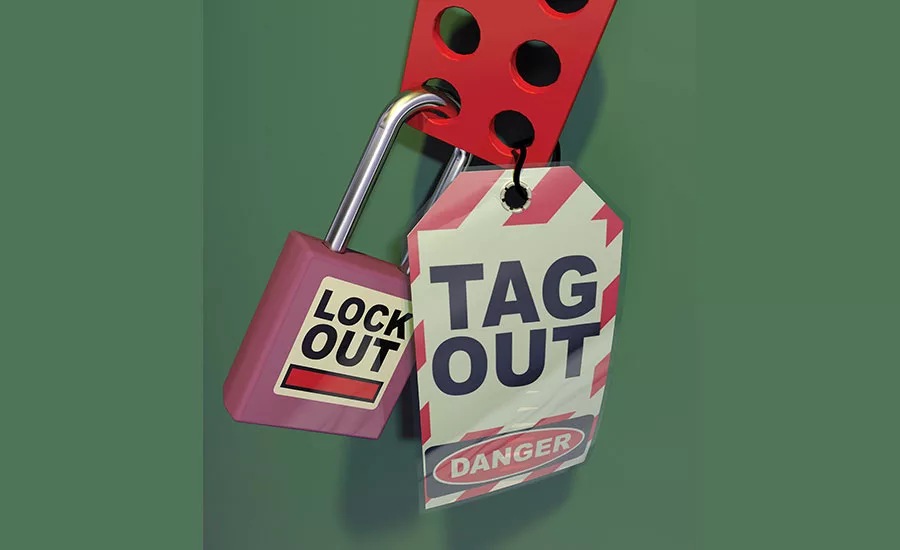
Lockout/tagout (29 CFR 1910.147) was the fifth most frequently cited OSHA violation during the period October 2014 to September 2015. There were 3,350 citations reported across all industries during that time with $9,686,894 in penalties.

The OSHA standard for The Control of Hazardous Energy (Lockout/Tagout) addresses the practices and procedures necessary to disable machinery or equipment, preventing the release of hazardous energy while employees perform servicing and maintenance activities. The standard outlines measures for controlling hazardous energies—electrical, mechanical, hydraulic, pneumatic, chemical, thermal, and other energy sources.

According to OSHA, most citations in this area occur when an employer fails to have an energy control program, does not properly train employees on proper procedures or does not periodically inspect energy control procedures.

The top three spots for largest amount of citations and penalties were in the manufacturing sector. Other sectors with high numbers of citations include wholesale trade; administrative and support and waste management and remediation services; construction; other services (except public administration); retail trade; transportation and warehousing; agriculture, forestry, fishing and hunting; arts, entertainment and recreation; mining, quarrying, and oil and gas extraction.

At the top of the most cited industries was fabricated metal product manufacturing with 589 citations and $1,259,928 in penalties. Next were food manufacturing with 345 citations and $1,275,741 in penalties and plastics and rubber products manufacturing with 280 citations and $810,014 in penalties.

Completing the top 10 most cited industries were wood product manufacturing (246 citations and $475,987 in penalties); machinery manufacturing (174 citations and $547,377 in penalties); primary metal manufacturing (147 citations and $554,855 in penalties); merchant wholesalers, durable goods (131 citations and $232,598 in penalties); chemical manufacturing (122 citations with $415,206 in penalties); transportation equipment manufacturing (120 citations with $407,738 in penalties); and furniture and related product manufacturing (96 citations and $677,655 in penalties).

Required training

Failure to control hazardous energy accounts for nearly 10 percent of the serious accidents in many industries. Proper lockout/tagout (LOTO) practices and procedures safeguard workers from hazardous energy releases. Employers are also required to train each worker to ensure that they know, understand and are able to follow the applicable provisions of the hazardous energy control procedures.

 Workers must be trained in the purpose and function of the energy control program and have the knowledge and skills required for the safe application, usage and removal of the energy control devices.

Under the standard, some of the critical requirements employers must follow include:

•           Develop, implement and enforce an energy control program.

•           Use lockout devices for equipment that can be locked out. Tagout devices may be used in lieu of lockout devices only if the tagout program provides employee protection equivalent to that provided through a lockout program.

•           Ensure that new or overhauled equipment is capable of being locked out.

•           Develop, implement and enforce an effective tagout program if machines or equipment are not capable of being locked out.

•           Develop, document, implement, and enforce energy control procedures.

•           Use only lockout/tagout devices authorized for the particular equipment or machinery

•           Ensure that devices are durable, standardized and substantial.

•           Comply with the additional energy control provisions in OSHA standards when machines or equipment must be tested or repositioned, when outside contractors work at the site, in group lockout situations, and during shift or personnel changes.

KEYWORDS: hazardous energy lockout/tagout (LOTO) OSHA standards

Share This Story

Looking for a reprint of this article?
From high-res PDFs to custom plaques, order your copy today!

Benita mehta 200

Benita Mehta is chief editor of ISHN. She has been with ISHN since 2015 and has been chief editor since 2020. 

Recommended Content

JOIN TODAY
to unlock your recommendations.

Already have an account? Sign In

  • forklift safety

    Exploring the latest technologies in forklift safety

    With more staff and more stock in warehousing now more...
    Facility Safety
    By: Josh Cramer
  • welding

    All about welder’s flash or arc eye

    A flash burn is a painful inflammation of the cornea,...
    Environmental Health and Safety
  • dangerous jobs

    The 10 most dangerous jobs in the U.S.

    On-the-job deaths have been rising — hitting the highest...
    Government Safety Regulations
    By: Benita Mehta
Manage My Account
  • eMagazine Subscriptions
  • ISHN Newsletter & Other Newsletter Alerts
  • Online Registration
  • Manage My Preferences
  • Subscription Customer Service

More Videos

Sponsored Content

Sponsored Content is a special paid section where industry companies provide high quality, objective, non-commercial content around topics of interest to the ISHN audience. All Sponsored Content is supplied by the advertising company and any opinions expressed in this article are those of the author and not necessarily reflect the views of ISHN or its parent company, BNP Media. Interested in participating in our Sponsored Content section? Contact your local rep!

close
  • man wearing the the Sundström SR200 Full Face Mask Respirator
    Sponsored byOHD

    5 Fit Testing Mistakes That Could Cost You

  • This image shows Magid AcuSpex polarized blue mirrored safety glasses.
    Sponsored byMagid Glove and Safety

    Construction PPE Guide: What Crews Need for Each Task

  • lone worker in confined space
    Sponsored byAlphasense Ltd.

    GET THE LEAD OUT of your Safety Oxygen Sensors!

Popular Stories

SpaceX 7 launch

OSHA Investigating Fatal Fall at SpaceX Starbase

Worker Impairment

How to Tell When a Co-Worker is Impaired? A Safety Pro’s Challenge

Automated loading dock equipment

After March 2026 Rivian Death, Safety Managers Reassess Loading Dock Systems Under OSHA's Warehouse Emphasis Program

top 10 most dangerous jobs

Poll

Seasonal Readiness

With the federal heat stress prevention rule on the horizon, which area of your safety program needs the most attention?
View Results Poll Archive

Products

Surviving an OSHA Audit A Management Guide, 2nd Edition

Surviving an OSHA Audit A Management Guide, 2nd Edition

See More Products

ISHN Podcasts

Related Articles

  • OSHA proposes $16.6 million in fines in connection with fatal Connecticut natural gas explosion (8/5)

    See More
  • After dozens of worker injuries, Pa. company hit with $1 million+ in fines

    See More
  • Half a million in fines for OSH violations at Oklahoma company

    See More

Related Products

See More Products
  • Top Ten Pitfalls in OSHA Recordkeeping and How to Avoid Them

  • safety law.jpg

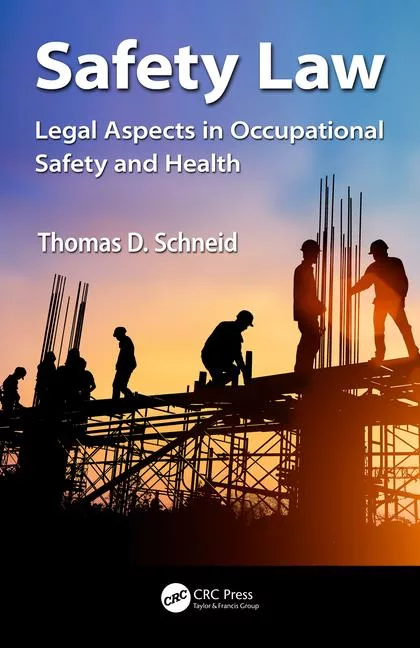
    Safety Law: Legal Aspects in Occupational Safety and Health

See More Products

Events

View AllSubmit An Event
  • May 28, 2026

    The Mental Health Crisis in Construction

    ON DEMAND: Each year, about 1,000 construction workers die from on-the-job incidents – but more than 5,000 die from suicide and 11,000 from overdoses.
View AllSubmit An Event

Related Directories

  • Safe Site Check In LLC

    Make Jobsite Management Easy(™). Safe Site Check In saves jobsite safety, super, project, and cost managers hours a day including: Digital badging, onboarding & training, Safety screening, Daily log creation Safety JSA, EAP, SDS Project management integration, Subcontractor management, Remote site monitoring, Worker profiles, Incident investigations.
×

Become a Leader in Safety Culture

Build your knowledge with ISHN, covering key safety, health and industrial hygiene news, products, and trends.

JOIN TODAY
  • RESOURCES
    • Advertise
    • Contact Us
    • Directories
    • Manufacturing Division
    • Store
    • Want More
  • SIGN UP TODAY
    • Create Account
    • eMagazine
    • Newsletters
    • Customer Service
    • Manage Preferences
  • SERVICES
    • Marketing Services
    • Reprints
    • Market Research
    • List Rental
    • Survey/Respondent Access
  • STAY CONNECTED
    • LinkedIn
    • Facebook
    • YouTube
    • X (Twitter)
  • PRIVACY
    • PRIVACY POLICY
    • TERMS & CONDITIONS
    • DO NOT SELL MY PERSONAL INFORMATION
    • PRIVACY REQUEST
    • ACCESSIBILITY

Copyright ©2026. All Rights Reserved BNP Media, Inc. and BNP Media II, LLC.

Design, CMS, Hosting & Web Development :: ePublishing