ISHN logo
search
cart
facebook twitter linkedin youtube
  • Sign In
  • Create Account
  • Sign Out
  • My Account
ISHN logo
  • NEWS
    • Today's News
    • Global Safety News
    • Government Regulations
  • PRODUCTS
    • Product Innovations
    • Featured Products
  • TOPICS
    • Environmental Health and Safety
    • Facility Safety
    • Workplace Health
    • Occupational Safety
    • PPE
    • More Topics
  • CONSTRUCTION
  • TECHNOLOGY
  • COLUMNS
    • Best Practices
    • Dave Johnson: What’s going on
    • Editorial Comments
    • Leading Safety
  • MULTIMEDIA
    • ISHN Podcast
    • Videos
    • Cold Stress Education Quiz
    • Webinars
    • White Papers
  • MORE
    • Buyer's Guide
    • Newsletters
    • Convention Companion
    • Polls
    • Events
    • ISHN Store
    • Sponsor Insights
  • EMAGAZINE
    • eMagazine
    • Archived Issues
    • Contact
    • Advertise
  • JOIN TODAY!
Construction Industry Safety and Health

4 steps to effective contractor safety management

April 28, 2016

By Ron Gantt, CSP, ARM, CET, Vice President of Safety Compliance Management

Step 1– Pre-Job Planning

As Steven Covey said, begin with the end in mind. If you want your project to end safely, create solid safety specifications for any contractor that walks into the door, rather than leaving it to chance. Every job should begin with a thorough risk assessment where the applicable hazards and risks are identified, analyzed and prioritized. Then you can implement specifications to make sure risks are reduced to acceptable levels.

By doing this you can influence the design of the project to ensure that safety is considered at all phases.

You can also implement controls into the design that assist in implementing other safety controls, such as ensuring adequate anchor points exist in those areas where employees may need to use fall protection.

In the early phases there may not be enough information to identify all hazards and risks, which is why the risk assessment process should continue throughout the project. But the earlier we can start identifying and reducing risks the easier they are to deal with.

Step 2– Prequalification

This is arguably the most important part of contractor management.

If you may be held responsible for contractor safety performance, wouldn’t it make sense to look at the safety performance of the contractor BEFORE they get in the door?

This can be accomplished through looking for a combination of lagging indicators (e.g. incidents rates, EMRs, etc.) and leading indicators (looking at the management systems that are in place, the contractor’s internal training programs, whether or not the contractor uses safety as a criteria for selection and development of employees, etc.).

What you look at should be based on the risks of the job, with the higher risk jobs requiring more indicators to show positive safety performance. But if you’re not screening contractors based on safety performance you shouldn’t be surprised when you have to deal with a contractor that doesn’t have a mature safety management system.

Step 3– Orientation

Once you’ve identified the job specifications and you’ve found your contractor with a mature management system, then next step is to ensure that the contractor is aware of the requirements to do the job safely. There should be separate sessions for both contractor employees and contractor supervisors, since supervisors are vital to the success of the project.

One of the biggest mistakes many organizations make in the orientation process, however (outside of not having an orientation), is to turn the orientation into a negative experience.

Make the orientation only as long as it needs to be and do not talk down to the contractors. Instead, remember that you brought these contractors onsite at least partially because they have a good safety program. Acknowledging that and getting their input as part of the process can go a long way to building trust and cooperation, which is vital to building a strong safety culture.

Step 4– Feedback

The first three steps built the foundation for a safe project, now we need to follow through with feedback about the process.

Remember, although they are professionals, the contractors are visitors to your site and may not be aware of your specific policies, procedures, hazards, etc. So providing timely feedback, particularly in the early stages of the contractor’s safety performance is crucial.

Feedback should come in two ways – to supervisors and to employees. For supervisors, schedule a meeting to look at leading and lagging indicators for the project and make appropriate adjustments.

After the job, provide feedback to the contractors and to your overall prequalification system for consideration of future jobs.

For employees, providing positive reinforcement for those contractor employees who are following your job specifications (Step 1) goes a long way to getting the results you want and creating a culture of trust rather than of punishment and fear.

Certainly, each of these steps require careful consideration on how they can best be implemented in your organization. One of the best ways to learn about innovative solutions is through networking with other professionals about what works and what doesn’t

Source: Select International

KEYWORDS: construction risk assessments risk identification

Share This Story

Looking for a reprint of this article?
From high-res PDFs to custom plaques, order your copy today!

Recommended Content

JOIN TODAY
to unlock your recommendations.

Already have an account? Sign In

  • forklift safety

    Exploring the latest technologies in forklift safety

    With more staff and more stock in warehousing now more...
    Facility Safety
    By: Josh Cramer
  • welding

    All about welder’s flash or arc eye

    A flash burn is a painful inflammation of the cornea,...
    Environmental Health and Safety
  • dangerous jobs

    The 10 most dangerous jobs in the U.S.

    On-the-job deaths have been rising — hitting the highest...
    Construction Industry Safety and Health
    By: Benita Mehta
Manage My Account
  • eMagazine Subscriptions
  • ISHN Newsletter & Other Newsletter Alerts
  • Online Registration
  • Manage My Preferences
  • Subscription Customer Service

More Videos

Sponsored Content

Sponsored Content is a special paid section where industry companies provide high quality, objective, non-commercial content around topics of interest to the ISHN audience. All Sponsored Content is supplied by the advertising company and any opinions expressed in this article are those of the author and not necessarily reflect the views of ISHN or its parent company, BNP Media. Interested in participating in our Sponsored Content section? Contact your local rep!

close
  • man wearing the the Sundström SR200 Full Face Mask Respirator
    Sponsored byOHD

    5 Fit Testing Mistakes That Could Cost You

  • This image shows Magid AcuSpex polarized blue mirrored safety glasses.
    Sponsored byMagid Glove and Safety

    Construction PPE Guide: What Crews Need for Each Task

  • lone worker in confined space
    Sponsored byAlphasense Ltd.

    GET THE LEAD OUT of your Safety Oxygen Sensors!

Popular Stories

SpaceX 7 launch

OSHA Investigating Fatal Fall at SpaceX Starbase

dust explosion

Tennessee OSHA Issues Record $3.1M Fine After Deadly Explosion at Munitions Plant

roofing dangerous jobs Getty.jpg

OSHA Finds Florida Roofing Company Willfully Exposed Workers to Safety Hazards After Worker’s Fatal Fall

top 10 most dangerous jobs

Poll

Seasonal Readiness

With the federal heat stress prevention rule on the horizon, which area of your safety program needs the most attention?
View Results Poll Archive

Products

Surviving an OSHA Audit A Management Guide, 2nd Edition

Surviving an OSHA Audit A Management Guide, 2nd Edition

See More Products

ISHN Podcasts

Related Articles

  • Training-JJ-Keller.jpg

    4 steps to an effective respiratory protection program

    See More
  • connected worker

    4 steps to build more sustainable field service operations

    See More
  • Actively Caring for People’s Safety

    4 STEPS to cultivating a brother’s/sister’s keeper culture

    See More

Related Products

See More Products
  • 9781138749573.jpg

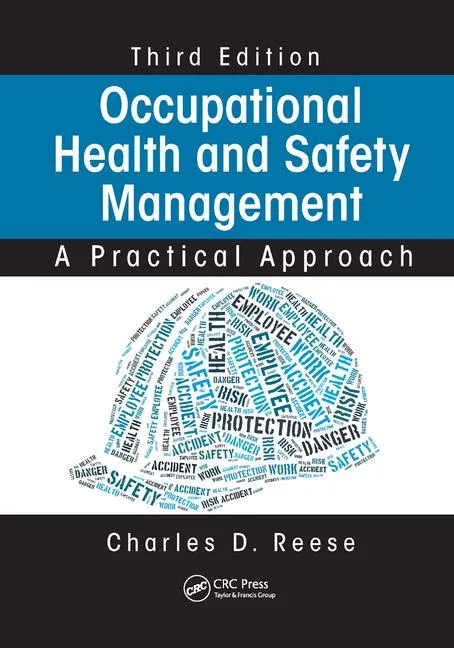
    Occupational Health and Safety Management: A Practical Approach, Third Edition

See More Products
×

Become a Leader in Safety Culture

Build your knowledge with ISHN, covering key safety, health and industrial hygiene news, products, and trends.

JOIN TODAY
  • RESOURCES
    • Advertise
    • Contact Us
    • Directories
    • Manufacturing Division
    • Store
    • Want More
  • SIGN UP TODAY
    • Create Account
    • eMagazine
    • Newsletters
    • Customer Service
    • Manage Preferences
  • SERVICES
    • Marketing Services
    • Reprints
    • Market Research
    • List Rental
    • Survey/Respondent Access
  • STAY CONNECTED
    • LinkedIn
    • Facebook
    • YouTube
    • X (Twitter)
  • PRIVACY
    • PRIVACY POLICY
    • TERMS & CONDITIONS
    • DO NOT SELL MY PERSONAL INFORMATION
    • PRIVACY REQUEST
    • ACCESSIBILITY

Copyright ©2026. All Rights Reserved BNP Media, Inc. and BNP Media II, LLC.

Design, CMS, Hosting & Web Development :: ePublishing