ISHN logo
search
cart
facebook twitter linkedin youtube
  • Sign In
  • Create Account
  • Sign Out
  • My Account
ISHN logo
  • NEWS
    • Today's News
    • Global Safety News
    • Government Regulations
  • PRODUCTS
    • Product Innovations
    • Featured Products
  • TOPICS
    • Environmental Health and Safety
    • Facility Safety
    • Workplace Health
    • Occupational Safety
    • PPE
    • More Topics
  • CONSTRUCTION
  • TECHNOLOGY
  • COLUMNS
    • Best Practices
    • Dave Johnson: What’s going on
    • Editorial Comments
    • Leading Safety
  • MULTIMEDIA
    • ISHN Podcast
    • Videos
    • Cold Stress Education Quiz
    • Webinars
    • White Papers
  • MORE
    • Buyer's Guide
    • Newsletters
    • Convention Companion
    • Polls
    • Events
    • ISHN Store
    • Sponsor Insights
  • EMAGAZINE
    • eMagazine
    • Archived Issues
    • Contact
    • Advertise
  • JOIN TODAY!
Today's Safety NewsEnvironmental Health and SafetyColumnsSafety Industry White PapersOSHA Workplace Training Strategies

What’s your strategy for superior safety performance?
By Terry Mathis
safety marketing
June 1, 2016

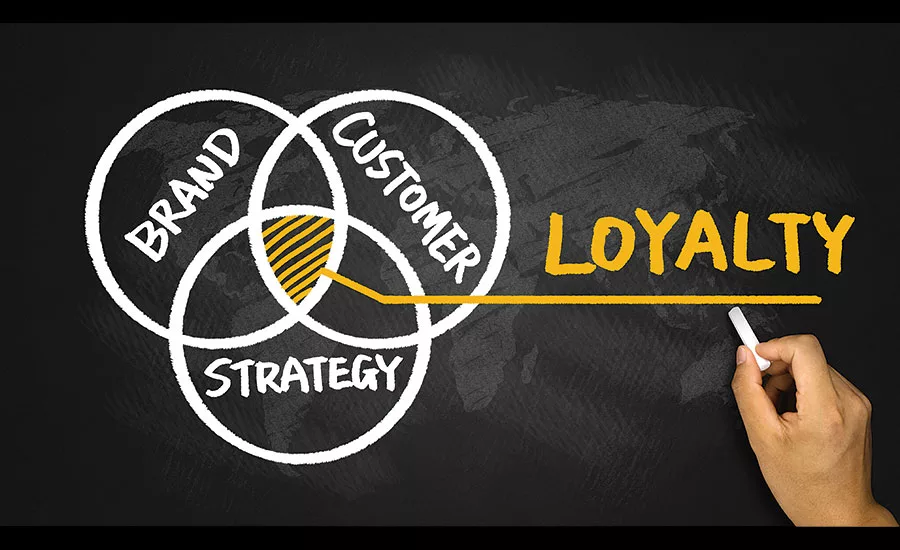
The Senior VP of Marketing at a Fortune 500 company told me he wanted his customers to feel like buying his product was the most logical decision they had ever made. He wanted his marketing research to ensure that his product would exactly fulfill its purpose and both meet and exceed the customer’s specific needs. He went on to describe how he wanted his follow-up service to his product to reinforce the buying decision at every level. He wanted his brand to become the symbol of satisfaction and to create customer loyalty. This vision and these goals had been the foundation on which he built his company’s marketing strategy.

Safety’s control game

Consider the difference between this approach and the average corporate safety program.  Many companies still view their workers as safety’s problem rather than its customer. The goal is control, not marketing. Risk must be controlled through a hierarchical matrix addressing conditions, worker behavior and combinations of the two. Risk is eliminated or reduced conditionally through engineering and design, and worker behavior is controlled through the enforcement of rules and procedures. The safety department builds its product with no marketing research or customer input. Little or no thought is given to branding the safety effort. Compliance replaces customer satisfaction and there is no re-enforcing of the buying decision to be safe other other than discipline. Safety culture is often viewed simply as an informal consensus that somehow results in peer-to-peer enforcement of rules and procedures. This combination of objectives and activities is mistakenly labeled as a safety strategy.

Safety is an organizational goal that requires its own true vision and strategy. This does not require new technologies or methods. Marketing is already doing it. Safety can simply look, learn and duplicate. Just as marketing targets the needs of external customers, safety can target the needs of internal customers. Those internal customers can be studied and asked about their needs and what they view as valuable to their own safety performance. Participation in a safety program can become a logical and rewarding experience reinforced on a regular basis. Safety can have a brand that fosters teamwork and loyalty. Safety culture can go above and beyond reinforcing compliance and truly elicit pride and discretionary effort from the workforce. 

The first step

The first step is a change in mind-set at the leadership level. Organizational and corporate leaders can still delegate the busywork of safety, but not the strategy. This means that safety needs a strategy, and that a bundle of programs is not the same thing. Programmatic thinking has dominated the mainstream of safety for decades. When lagging indicators go beyond acceptable levels, new programs are added. The thinking seems to be if results are not acceptable, we must not be doing enough. So the more-is-better philosophy is adopted. This entire train of thought is almost the antithesis of strategy.

Leaders need to apply strategic marketing to safety. It’s critical this is done at the top level of the organization. If the creation of a safety strategy is delegated to safety professionals, there is no guarantee the safety strategy will not directly conflict with the business strategy. Some think this conflict is inevitable, that safety and production are natural enemies. But recent studies refute this view. The best companies in safety are regularly the best producers, and vice versa. A true safety strategy supports, rather than conflicts with, the business strategy. The risks inherent in the production process are addressed and factored into both the business and safety strategies. 

A successful marriage of business and safety strategies can also eliminate the conflict workers face when their production boss and their safety boss set different priorities for them. Workers who juggle conflicting priorities are seldom as productive as possible. Clarifying the relationship between these two high priorities into a single value with a well-defined strategy focuses worker attention and efforts toward what the organization really wants.

A profound difference

A strategic approach to safety almost always improves safety performance. Strategy is a plan to win. Programmatic safety is a plan to avoid failure. There is a profound difference here. Winning is motivational. The pursuit of victory creates a level of effort and energy not attainable through avoidance goals. A recent study asserted that visible progress toward a goal was one of the highest motivators in business. Defining safety success and strategically working toward it is a giant step in the right direction for organizations that have historically set goals to fail less and constantly bombarded workers with failure metrics like recordable rates and lost-time statistics. Many organizations have never truly envisioned nor defined safety success other than as the lack of safety failure. Doing so tends to re-energize safety efforts and give them new meaning and direction.

Safety is one of the most prominent efforts with internal customers that benefit from strategy, but it’s not the only one. Many other departments and functions service internal customers whose needs might be better met and whose value to the organization might be improved with the right strategy. Exploring these opportunities is the theme of the new book, “Inside Strategy: Value Creation From Within Your Organization.” Applying this thinking to safety can potentially revolutionize value addition at each step of a process. The cost of doing so is absolutely minimal since the expertise already exists within the organizational or corporate structure. Plagiarism of someone else’s work is a crime. Stealing strategy from your own marketing department could be a stroke of genius.

KEYWORDS: safety marketing

Share This Story

Looking for a reprint of this article?
From high-res PDFs to custom plaques, order your copy today!

Terry L. Mathis is the founder and CEO of ProAct Safety, an international safety and performance excellence firm. He is known for his dynamic presentations in the fields of behavioral and cultural safety, leadership, and operational performance, and is a regular speaker at ASSE, NSC, and numerous company and industry conferences. EHS Today listed Terry as a Safety Guru in "The 50 People Who Most Influenced EHS" three consecutive times. He has been a frequent contributor to industry magazines for over 15 years and is the coauthor of STEPS to Safety Culture Excellence (2013, WILEY). http://proactsafety.com

Terry can be reached at info@proactsafety.com or 800-395-1347.

Recommended Content

JOIN TODAY
to unlock your recommendations.

Already have an account? Sign In

  • forklift safety

    Exploring the latest technologies in forklift safety

    With more staff and more stock in warehousing now more...
    Workplace Training Strategies
    By: Josh Cramer
  • welding

    All about welder’s flash or arc eye

    A flash burn is a painful inflammation of the cornea,...
    Environmental Health and Safety
  • dangerous jobs

    The 10 most dangerous jobs in the U.S.

    On-the-job deaths have been rising — hitting the highest...
    Occupational Safety
    By: Benita Mehta
Manage My Account
  • eMagazine Subscriptions
  • ISHN Newsletter & Other Newsletter Alerts
  • Online Registration
  • Manage My Preferences
  • Subscription Customer Service

More Videos

Sponsored Content

Sponsored Content is a special paid section where industry companies provide high quality, objective, non-commercial content around topics of interest to the ISHN audience. All Sponsored Content is supplied by the advertising company and any opinions expressed in this article are those of the author and not necessarily reflect the views of ISHN or its parent company, BNP Media. Interested in participating in our Sponsored Content section? Contact your local rep!

close
  • man wearing the the Sundström SR200 Full Face Mask Respirator
    Sponsored byOHD

    5 Fit Testing Mistakes That Could Cost You

  • This image shows Magid AcuSpex polarized blue mirrored safety glasses.
    Sponsored byMagid Glove and Safety

    Construction PPE Guide: What Crews Need for Each Task

  • lone worker in confined space
    Sponsored byAlphasense Ltd.

    GET THE LEAD OUT of your Safety Oxygen Sensors!

Popular Stories

SpaceX 7 launch

OSHA Investigating Fatal Fall at SpaceX Starbase

Worker Impairment

How to Tell When a Co-Worker is Impaired? A Safety Pro’s Challenge

psychology in the workplace

Most Workplaces Measure Psychological Safety, Ignoring Psychosocial Risks

top 10 most dangerous jobs

Poll

Seasonal Readiness

With the federal heat stress prevention rule on the horizon, which area of your safety program needs the most attention?
View Results Poll Archive

Products

Surviving an OSHA Audit A Management Guide, 2nd Edition

Surviving an OSHA Audit A Management Guide, 2nd Edition

See More Products

ISHN Podcasts

Related Articles

  • Most safety training is low quality stuff

    See More
  • the future of safety

    The future of safety excellence

    See More
  • Thought Leadership

    Safety culture's tipping point

    See More

Related Directories

  • MSA - The Safety Co.

    WE KNOW WHAT'S AT STAKE. Unpredictable work environments are often part of the job. That's why it's critically important to have the right safety equipment at the moment it matters most. MSA's complete lines of safety solutions help protect those workers at the heart of your operation.
  • EHS Insight

    EHS Insight is the industry’s most powerful, flexible, and user-friendly EHS software. Streamline compliance, incident management, audits, and risk tracking—all in one mobile-first, AI-powered platform built to save time, reduce risk, and drive smarter safety.
  • Superior Glove

    Superior Glove is a leading innovator in the design and manufacture of safety gloves and sleeves. Since 1910, we have been protecting workers across the globe with specialized hand and arm protection for every major industry.
×

Become a Leader in Safety Culture

Build your knowledge with ISHN, covering key safety, health and industrial hygiene news, products, and trends.

JOIN TODAY
  • RESOURCES
    • Advertise
    • Contact Us
    • Directories
    • Manufacturing Division
    • Store
    • Want More
  • SIGN UP TODAY
    • Create Account
    • eMagazine
    • Newsletters
    • Customer Service
    • Manage Preferences
  • SERVICES
    • Marketing Services
    • Reprints
    • Market Research
    • List Rental
    • Survey/Respondent Access
  • STAY CONNECTED
    • LinkedIn
    • Facebook
    • YouTube
    • X (Twitter)
  • PRIVACY
    • PRIVACY POLICY
    • TERMS & CONDITIONS
    • DO NOT SELL MY PERSONAL INFORMATION
    • PRIVACY REQUEST
    • ACCESSIBILITY

Copyright ©2026. All Rights Reserved BNP Media, Inc. and BNP Media II, LLC.

Design, CMS, Hosting & Web Development :: ePublishing