ISHN logo
search
cart
facebook twitter linkedin youtube
  • Sign In
  • Create Account
  • Sign Out
  • My Account
ISHN logo
  • NEWS
    • Today's News
    • Global Safety News
    • Government Regulations
  • PRODUCTS
    • Product Innovations
    • Featured Products
  • TOPICS
    • Environmental Health and Safety
    • Facility Safety
    • Workplace Health
    • Occupational Safety
    • PPE
    • More Topics
  • CONSTRUCTION
  • TECHNOLOGY
  • COLUMNS
    • Best Practices
    • Dave Johnson: What’s going on
    • Editorial Comments
    • Leading Safety
  • MULTIMEDIA
    • ISHN Podcast
    • Videos
    • Cold Stress Education Quiz
    • Webinars
    • White Papers
  • MORE
    • Buyer's Guide
    • Newsletters
    • Convention Companion
    • Polls
    • Events
    • ISHN Store
    • Sponsor Insights
  • EMAGAZINE
    • eMagazine
    • Archived Issues
    • Contact
    • Advertise
  • JOIN TODAY!
Today's Safety NewsGlobal Safety NewsWorkplace Health

WHO calls for taxes on sugary drinks
pop
October 13, 2016

Philadelphia, Pennsylvania and Berkeley, California already do it. Now, the World Health Organization (WHO) wants it done all over the world.

A 20 percent tax

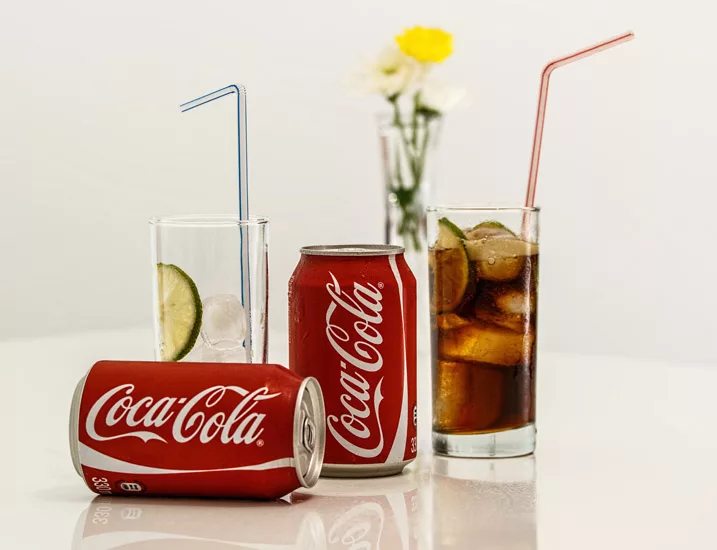
In response to a growing global obesity problem – one closely related to the rise in type 2 diabetes – the WHO is calling for governments to enact at least a 20 percent tax on sugary drinks in an effort to curb consumption of the beverages.

The U.S. is not the only country grappling with an obesity epidemic. In 2014, more than 1 in 3 (39%) adults worldwide aged 18 years and older were overweight. Worldwide prevalence of obesity more than doubled between 1980 and 2014, with 11% of men and 15% of women (more than half a billion adults) being classified as obese.

And obesity is not only affecting adults. An estimated 42 million children aged under 5 years were overweight or obese in 2015, an increase of about 11 million during the past 15 years. Almost half (48%) of these children lived in Asia and 25% in Africa.

1.5 million diabetes deaths

The number of people living with diabetes has also been rising, from 108 million in 1980 to 422 million in 2014. The disease was directly responsible for 1.5 million deaths in 2012 alone.

The WHO thinks that making sugary drinks more expensive will help lower those numbers by causing people to take in fewer “free sugars” and calories overall, resulting in improved nutrition and lower rates of obesity, diabetes and tooth decay. Free sugars refer to monosaccharides (such as glucose or fructose) and disaccharides (such as sucrose or table sugar) added to foods and drinks by the manufacturer, cook, or consumer, and sugars naturally present in honey, syrups, fruit juices, and fruit juice concentrates.

Cutting healthcare costs

“Consumption of free sugars, including products like sugary drinks, is a major factor in the global increase of people suffering from obesity and diabetes,” says Dr Douglas Bettcher, Director of WHO’s Department for the Prevention of NCDs. “If governments tax products like sugary drinks, they can reduce suffering and save lives. They can also cut healthcare costs and increase revenues to invest in health services.”

According to the new WHO report, national dietary surveys indicate that drinks and foods high in free sugars can be a major source of unnecessary calories in people’s diets, particularly in the case of children, adolescents and young adults.

It also points out that some groups, including people living on low incomes, young people and those who frequently consume unhealthy foods and beverages, are most responsive to changes in prices of drinks and foods and, therefore, gain the highest health benefits.

According to a recent WHO report:

  • Subsidies for fresh fruits and vegetables that reduce prices by 10–30% can increase fruit and vegetable consumption.
  • Taxation of certain foods and drinks, particularly those high in saturated fats, trans fat, free sugars and/or salt appears promising, with existing evidence clearly showing that increases in the prices of such products reduces their consumption.
  • Excise taxes, such as those used on tobacco products, that apply a set (specific) amount of tax on a given quantity or volume of the product, or particular ingredient, are likely to be more effective than sales or other taxes based on a percentage of the retail price.
  • Public support for such tax increases could be increased if the revenue they generate is earmarked for efforts to improve health systems, encourage healthier diets and increase physical activity.

A number of countries have taken fiscal measures to protect people from unhealthy products. These include Mexico, which has implemented an excise tax on non-alcoholic beverages with added sugar, and Hungary, which has imposed a tax on packaged products with high sugars, salt or caffeine levels.

Countries, such as the Philippines, South Africa and the United Kingdom of Great Britain and Northern Ireland have also announced intentions to implement taxes on sugary drinks.

KEYWORDS: diabetes health care costs obesity weight management

Share This Story

Looking for a reprint of this article?
From high-res PDFs to custom plaques, order your copy today!

Recommended Content

JOIN TODAY
to unlock your recommendations.

Already have an account? Sign In

  • forklift safety

    Exploring the latest technologies in forklift safety

    With more staff and more stock in warehousing now more...
    Workplace Training Strategies
    By: Josh Cramer
  • welding

    All about welder’s flash or arc eye

    A flash burn is a painful inflammation of the cornea,...
    Environmental Health and Safety
  • dangerous jobs

    The 10 most dangerous jobs in the U.S.

    On-the-job deaths have been rising — hitting the highest...
    Occupational Safety
    By: Benita Mehta
Manage My Account
  • eMagazine Subscriptions
  • ISHN Newsletter & Other Newsletter Alerts
  • Online Registration
  • Manage My Preferences
  • Subscription Customer Service

More Videos

Sponsored Content

Sponsored Content is a special paid section where industry companies provide high quality, objective, non-commercial content around topics of interest to the ISHN audience. All Sponsored Content is supplied by the advertising company and any opinions expressed in this article are those of the author and not necessarily reflect the views of ISHN or its parent company, BNP Media. Interested in participating in our Sponsored Content section? Contact your local rep!

close
  • man wearing the the Sundström SR200 Full Face Mask Respirator
    Sponsored byOHD

    5 Fit Testing Mistakes That Could Cost You

  • This image shows Magid AcuSpex polarized blue mirrored safety glasses.
    Sponsored byMagid Glove and Safety

    Construction PPE Guide: What Crews Need for Each Task

  • lone worker in confined space
    Sponsored byAlphasense Ltd.

    GET THE LEAD OUT of your Safety Oxygen Sensors!

Popular Stories

SpaceX 7 launch

OSHA Investigating Fatal Fall at SpaceX Starbase

dust explosion

Tennessee OSHA Issues Record $3.1M Fine After Deadly Explosion at Munitions Plant

Worker Impairment

How to Tell When a Co-Worker is Impaired? A Safety Pro’s Challenge

top 10 most dangerous jobs

Poll

Seasonal Readiness

With the federal heat stress prevention rule on the horizon, which area of your safety program needs the most attention?
View Results Poll Archive

Products

Surviving an OSHA Audit A Management Guide, 2nd Edition

Surviving an OSHA Audit A Management Guide, 2nd Edition

See More Products

ISHN Podcasts

Related Articles

  • Philly levels tax on sugary drinks

    See More
  • pop

    Santa Fe votes down tax on sugary drinks

    See More
  • WHO calls for higher tobacco taxes to save more lives

    See More
×

Become a Leader in Safety Culture

Build your knowledge with ISHN, covering key safety, health and industrial hygiene news, products, and trends.

JOIN TODAY
  • RESOURCES
    • Advertise
    • Contact Us
    • Directories
    • Manufacturing Division
    • Store
    • Want More
  • SIGN UP TODAY
    • Create Account
    • eMagazine
    • Newsletters
    • Customer Service
    • Manage Preferences
  • SERVICES
    • Marketing Services
    • Reprints
    • Market Research
    • List Rental
    • Survey/Respondent Access
  • STAY CONNECTED
    • LinkedIn
    • Facebook
    • YouTube
    • X (Twitter)
  • PRIVACY
    • PRIVACY POLICY
    • TERMS & CONDITIONS
    • DO NOT SELL MY PERSONAL INFORMATION
    • PRIVACY REQUEST
    • ACCESSIBILITY

Copyright ©2026. All Rights Reserved BNP Media, Inc. and BNP Media II, LLC.

Design, CMS, Hosting & Web Development :: ePublishing