ISHN logo
search
cart
facebook twitter linkedin youtube
  • Sign In
  • Create Account
  • Sign Out
  • My Account
ISHN logo
  • NEWS
    • Today's News
    • Global Safety News
    • Government Regulations
  • PRODUCTS
    • Product Innovations
    • Featured Products
  • TOPICS
    • Environmental Health and Safety
    • Facility Safety
    • Workplace Health
    • Occupational Safety
    • PPE
    • More Topics
  • CONSTRUCTION
  • TECHNOLOGY
  • COLUMNS
    • Best Practices
    • Dave Johnson: What’s going on
    • Editorial Comments
    • Leading Safety
  • MULTIMEDIA
    • ISHN Podcast
    • Videos
    • Cold Stress Education Quiz
    • Webinars
    • White Papers
  • MORE
    • Buyer's Guide
    • Newsletters
    • Convention Companion
    • Polls
    • Events
    • ISHN Store
    • Sponsor Insights
  • EMAGAZINE
    • eMagazine
    • Archived Issues
    • Contact
    • Advertise
  • JOIN TODAY!
Today's Safety NewsOccupational Safety

Cold weather mine safety tips

By Joseph A. Main
December 23, 2016

Historically, December has been a particularly tragic month in U.S. coal mining.

Considered the worst mining accident ever, explosions at West Virginia’s Monongah Nos. 6 and 8 in 1906 claimed 362 lives. Twenty-seven miners perished in an underground fire caused by a faulty air compressor at the Wilberg Mine in Utah in 1984. And a blast that rocked the South Mountain No. 3 mine in Virginia in 1992 killed eight miners, leading investigators to discover that improper ventilation, examinations and rock dusting contributed to the deadly accident.

With cold weather engulfing much of the nation, and distractions overtaking many of us during the busy holiday season, we at the Mine Safety and Health Administration understand all too well the unique hazards the mining industry faces.

Mine operators and miners should pay special attention to seasonal changes that affect both surface and underground work environments. Not only does the risk of underground coal mine explosions increase in the winter, hazards associated with ice and snow that collect at surface facilities and preparation plants also play a part.

When cold weather causes barometric pressure to drop, methane gas can migrate more easily into the coal mine atmosphere, increasing the risk of an explosion. Dry winter air means drier conditions underground, making it more likely for coal dust to suspend in the mine’s atmosphere and create conditions that can cause an explosion.  

Be vigilant. Properly ventilate the mine, apply liberal amounts of rock dust and conduct frequent examinations. At surface operations, be mindful of limited visibility, slippery walkways, and freezing and thawing highwalls. Remove snow and ice from walkways, thoroughly examine highwalls, and apply salt and sand where needed.

A mining fatality is tragic no matter what time of year, but when disaster strikes during the holidays, it’s especially heartbreaking. I was at Wilberg in the aftermath of the fire. I remember all too well the pain endured by the families of the 27 victims who, in the days leading up to Christmas, were forced put their holiday plans on hold while they awaited news of their loved ones’ fates.

My wish for all miners and their families is the opportunity to put in their shift and return home, safe and healthy, to celebrate this holiday and many more.

KEYWORDS: coal mine dust protection mining industry MSHA

Share This Story

Looking for a reprint of this article?
From high-res PDFs to custom plaques, order your copy today!

Main is Assistant Secretary of Labor for Mine Safety and Health, Department of Labor.

Recommended Content

JOIN TODAY
to unlock your recommendations.

Already have an account? Sign In

  • forklift safety

    Exploring the latest technologies in forklift safety

    With more staff and more stock in warehousing now more...
    Facility Safety
    By: Josh Cramer
  • welding

    All about welder’s flash or arc eye

    A flash burn is a painful inflammation of the cornea,...
    Environmental Health and Safety
  • dangerous jobs

    The 10 most dangerous jobs in the U.S.

    On-the-job deaths have been rising — hitting the highest...
    Government Safety Regulations
    By: Benita Mehta
Manage My Account
  • eMagazine Subscriptions
  • ISHN Newsletter & Other Newsletter Alerts
  • Online Registration
  • Manage My Preferences
  • Subscription Customer Service

More Videos

Sponsored Content

Sponsored Content is a special paid section where industry companies provide high quality, objective, non-commercial content around topics of interest to the ISHN audience. All Sponsored Content is supplied by the advertising company and any opinions expressed in this article are those of the author and not necessarily reflect the views of ISHN or its parent company, BNP Media. Interested in participating in our Sponsored Content section? Contact your local rep!

close
  • man wearing the the Sundström SR200 Full Face Mask Respirator
    Sponsored byOHD

    5 Fit Testing Mistakes That Could Cost You

  • This image shows Magid AcuSpex polarized blue mirrored safety glasses.
    Sponsored byMagid Glove and Safety

    Construction PPE Guide: What Crews Need for Each Task

  • lone worker in confined space
    Sponsored byAlphasense Ltd.

    GET THE LEAD OUT of your Safety Oxygen Sensors!

Popular Stories

SpaceX 7 launch

OSHA Investigating Fatal Fall at SpaceX Starbase

dust explosion

Tennessee OSHA Issues Record $3.1M Fine After Deadly Explosion at Munitions Plant

Worker Impairment

How to Tell When a Co-Worker is Impaired? A Safety Pro’s Challenge

top 10 most dangerous jobs

Poll

Seasonal Readiness

With the federal heat stress prevention rule on the horizon, which area of your safety program needs the most attention?
View Results Poll Archive

Products

Surviving an OSHA Audit A Management Guide, 2nd Edition

Surviving an OSHA Audit A Management Guide, 2nd Edition

See More Products

ISHN Podcasts

Related Articles

  • OSHA resource offers cold-weather worker safety tips (1/9)

    See More
  • CDC offers cold-weather safety tips (1/7)

    See More
  • cold stress and winter-related injuries

    Winter's Not Over Yet: Expert Tips for Cold Weather Safety

    See More

Related Products

See More Products
  • safety law.jpg

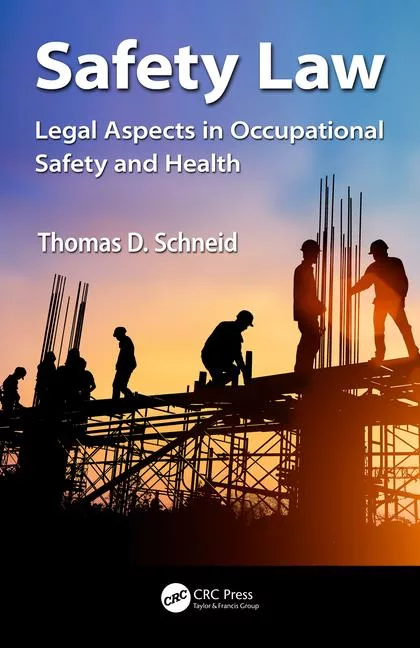
    Safety Law: Legal Aspects in Occupational Safety and Health

  • download (1).jpg

    Safety Rebels Real-World Transformations in Health and Safety

See More Products
×

Become a Leader in Safety Culture

Build your knowledge with ISHN, covering key safety, health and industrial hygiene news, products, and trends.

JOIN TODAY
  • RESOURCES
    • Advertise
    • Contact Us
    • Directories
    • Manufacturing Division
    • Store
    • Want More
  • SIGN UP TODAY
    • Create Account
    • eMagazine
    • Newsletters
    • Customer Service
    • Manage Preferences
  • SERVICES
    • Marketing Services
    • Reprints
    • Market Research
    • List Rental
    • Survey/Respondent Access
  • STAY CONNECTED
    • LinkedIn
    • Facebook
    • YouTube
    • X (Twitter)
  • PRIVACY
    • PRIVACY POLICY
    • TERMS & CONDITIONS
    • DO NOT SELL MY PERSONAL INFORMATION
    • PRIVACY REQUEST
    • ACCESSIBILITY

Copyright ©2026. All Rights Reserved BNP Media, Inc. and BNP Media II, LLC.

Design, CMS, Hosting & Web Development :: ePublishing