Clearing up misconceptions about cut-resistant gloves
A cut above
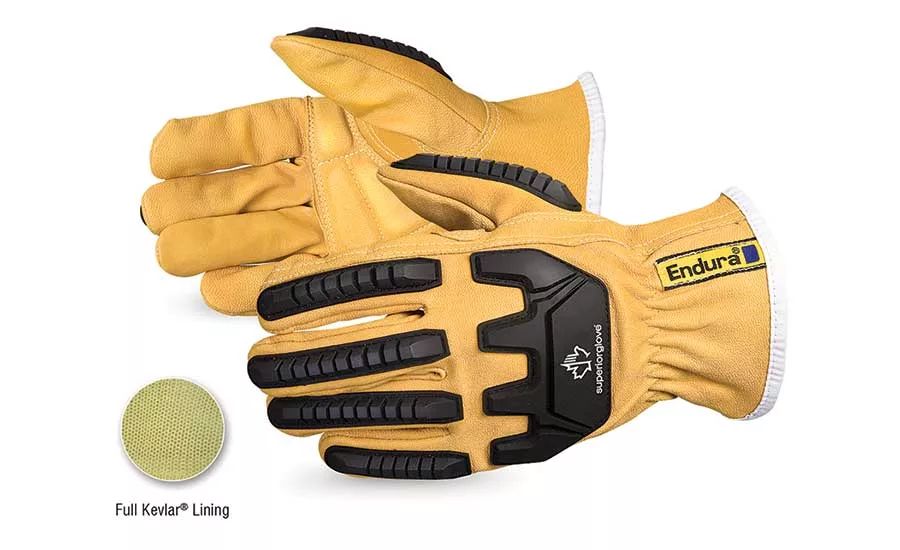
The U.S. Bureau of Labor Statistics reported that 70 percent of workers who experienced hand injuries in 2015 were not wearing gloves. The remaining 30 percent of injured workers wore gloves but the gloves were inadequate, damaged or the wrong type of the hazards that were present.
When it comes to selecting proper hand protection, cut-resistant gloves seem to be one of the most confusing topics. The goal of this article is to highlight misconceptions that we have about cut resistance and to clear up any uncertainty. So the next time you’re selecting cut-resistant gloves, you’ll choose the right pair the first time.
Cut-proof vs. cut-resistant
Cut-proof gloves are the unicorns of the safety world — no, not magical and wonderful. I mean entirely mythical. There is no such thing as a cut-proof glove. If there was, we would only manufacture and sell one glove and it would be called the “Perfect Glove 3000” and working for a glove manufacturer would be pretty boring.
What we in the glove industry manufacture is a cut-resistant glove and there are different levels of cut resistance based on the hazards the worker is facing.
Even though cut-proof gloves don’t exist, gloves designed to be cut-resistant are sometimes misinterpreted as being cut proof. As workers, this gives us a false sense of security. We become overly confident and can endanger ourselves by performing tasks we would not normally perform.
They’re called cut-resistant gloves because realistically, cuts can still occur. But by wearing a cut-resistant glove, a cut that required stitches becomes a cut that needs a band-aid.
So we know cut-proof gloves don’t exist, but what about performing a field test to see how cut-resistant a glove really is?
Makeshift cut test methods
These field tests could be taking a pair of scissors, a table saw or a machete — I’ve heard it all — and being dissatisfied that the glove didn’t hold up.
But it’s not surprising. Cut-resistant gloves are not designed to stop a pair of scissors (or those other test tools). In North America, gloves should be tested and rated based on standards outlined by American National Standards Institute’s (ANSI) ASTM F2992 cut test.
The science behind the ANSI’s test method is to measure the cut resistance of a material against a razor blade under a specified load on a TDM-100 machine. The test accounts for measuring errors by using a new blade each time the test is run since a dull blade would need more force to cut through the material.
The problem we find with performing a cut-resistance test in the field is that they are not realistic. A pair of scissors will most certainly cut through a glove, even the “Perfect Glove 3000” cut-proof gloves. But how often does the cut hazard a worker is facing come from a pair of scissors cutting through their pinky finger?
Carefully consider cut-resistance
The main reason we need cut-resistant gloves is that our skin cuts very easily. Since leather is just the skin of an animal, it cuts just as easily. Some leather gloves are cut resistant, but that is thanks to a Kevlar® lining.
This misconception is a little different because there are some gloves where only the palm of the glove is cut resistant.
But as a general rule, cut-resistant gloves give 360 degree protection by using high performance yarns like Kevlar® or HPPE (High Performance Polyethylene). These yarns give five to ten times the cut protection of leather and are considerably stronger than steel on an equal-weight basis. A coating will increase the glove’s cut resistance slightly but only in the area where the coating is applied (usually the palm, unless the glove is fully coated). We use engineered composite yarns to increase the cut protection and make sure it is still 360 degree protection .
Engineered composite yarns
Engineered yarns are made using two or more components (ie. Kevlar® and steel). These gloves can offer 20 times the cut resistance of comparable-weight leather gloves. These gloves are needed in a variety of jobs in the pulp and paper, butchery and metal stamping industries. Adding steel to a high performance yarn is like reinforcing concrete with steel rebar.
Be careful with ratings
So cut-proof gloves don’t exist but surely the glove that has the highest cut resistance must be the best glove, right?
WRONG!
This probably seems pretty basic but it’s worth repeating: The best rated glove is the one that protects against the hazards you are facing. A worker who uses a box cutter once a day won’t need the same protection as someone who works in metal stamping eight hours a day.
Using a glove designed for heavy-duty cut protection for a light-duty application has a snowballing effect: if a worker has less dexterity in the glove, they won’t be able to do their job properly. If they can’t do their job properly, they won’t wear the glove. If they don’t wear the glove, compliance takes a hit. Then the risk of hand injury skyrockets!
Bottom line
The fact that 70 percent of workers who experience had injuries weren’t wearing hand protection is cause for concern. Consult your distributor and glove manufacturer about the proper level of cut resistance that they suggest and make sure that the chosen gloves are comfortable. It’s the first step to bringing those numbers down.
For more information about Superior Glove’s hand protection products, call (888) 428-1210 or visit www.superiorglove.com.
Looking for a reprint of this article?
From high-res PDFs to custom plaques, order your copy today!