ISHN logo
search
cart
facebook twitter linkedin youtube
  • Sign In
  • Create Account
  • Sign Out
  • My Account
ISHN logo
  • NEWS
    • Today's News
    • Global Safety News
    • Government Regulations
  • PRODUCTS
    • Product Innovations
    • Featured Products
  • TOPICS
    • Environmental Health and Safety
    • Facility Safety
    • Workplace Health
    • Occupational Safety
    • PPE
    • More Topics
  • CONSTRUCTION
  • TECHNOLOGY
  • COLUMNS
    • Best Practices
    • Dave Johnson: What’s going on
    • Editorial Comments
    • Leading Safety
  • MULTIMEDIA
    • ISHN Podcast
    • Videos
    • Cold Stress Education Quiz
    • Webinars
    • White Papers
  • MORE
    • Buyer's Guide
    • Newsletters
    • Convention Companion
    • Polls
    • Events
    • ISHN Store
    • Sponsor Insights
  • EMAGAZINE
    • eMagazine
    • Archived Issues
    • Contact
    • Advertise
  • JOIN TODAY!
Today's Safety NewsGovernment Safety RegulationsOil and Gas Industry Safety & Health

Cal/OSHA OKs tough new refinery safety regulation

Rule intended to reduce risk of major incidents

May 23, 2017

While regulations on the federal level are being repealed or delayed, the rulemaking process is still going strong at the state level – as demonstrated by Cal/OSHA's approval last week of a tough new oil refinery safety regulation.

The Department of Industrial Relations’ (DIR) Occupational Safety and Health Standards Board last week approved what they say is a landmark rule that provides a framework for anticipating, preventing and responding to hazards at refineries.

“This is the most protective regulation in the nation for the safety and health of refinery workers and surrounding communities,” said DIR Director Christine Baker. “This new regulation will ensure California’s oil refineries are operated with the highest levels of safety possible and with injury and illness prevention in mind.”

What refineries must do

The approved regulation introduces a new refinery safety order enforced by Cal/OSHA’s Process Safety Management (PSM) Unit, adding section 5189.1 to Title 8 of the California Code of Regulations. The elements outlined in the regulation require refinery employers to:

• Conduct Damage Mechanism Reviews for processes that result in equipment or material degradation. Physical degradation, such as corrosion and mechanical wear, are common technical causes of serious process failures.

• Conduct a Hierarchy of Hazard Controls Analysis to encourage refinery management to implement the most effective safety measures when considering competing demands and costs when correcting hazards.

• Implement a Human Factors Program, which requires analysis of human factors such as staffing levels, training and competency, fatigue and other effects of shift work, and the human-machine interface.

• Develop, implement and maintain written procedures for the Management of Organizational Change to ensure that plant safety remains consistent during personnel changes.

• Utilize Root Cause Analysis when investigating any incident that results in, or could have reasonably resulted in, a major incident.

• Perform and document a Process Hazard Analysis of the effectiveness of safeguards that apply to particular processes and identify, evaluate and control hazards associated with each process.

• Understand the attitudes, beliefs, perceptions and values that employees share in relation to safety and evaluate responses to reports of hazards by implementing and maintaining an effective Process Safety Culture Assessment program.

Still needs state approval

Most refineries in California have adopted some of the practices outlined above over the past decade. Those refineries have seen significant improvement in safety performance. However, the industry still experiences major incidents that pose a risk to workers, nearby communities and cause disruption to fuel services. The regulation represents a comprehensive safety performance standard for the state’s refinery sector. Now that the Standards Board has approved the regulation, the Office of Administrative Law has 30 working days to review and approve it.

The new rules are part of a package of complementary regulations intended to make California refineries safer for both workers and surrounding communities. The companion regulation strengthens the California Accidental Release Prevention (CalARP) program, designed to prevent the accidental release of hazardous substances that could harm public health and the environment. The revised CalARP regulation will also be submitted to the Office of Administrative Law for approval in the coming weeks.

Chevron refinery incident was impetus

Following a chemical release and fire at the Chevron refinery in Richmond in 2012, the Governor’s Interagency Working Group on Refinery Safety called for the establishment of an Interagency Refinery Task Force. The task force was mandated to improve workplace safety and health, emergency preparedness and response procedures at refineries. The California Environmental Protection Agency formed the task force in August 2013, which includes DIR, eight other state agencies, the US Environmental Protection Agency, as well as local and regional agencies from across the state that have refineries in their jurisdictions.

Cal/OSHA’s PSM Unit is responsible for inspecting refineries and chemical plants that handle large quantities of toxic and flammable materials. Health and safety standards enforced by the PSM Unit, including adequate worker training and participation, are intended to prevent catastrophic explosions, fires, and releases of dangerous chemicals, which could harm workers.

Prior to 2012, Cal/OSHA’s PSM Unit conducted on average two to three planned refinery inspections per year, taking a single investigator approximately 80 hours to complete. Cal/OSHA has subsequently increased staffing of the PSM Unit from 10 to 24 staff members, including support personnel and investigators. The PSM Unit now has the resources to conduct more thorough inspections, deploying four to five inspectors at the four annual planned refinery inspections with an average of over 2000 hours at each planned inspection. In addition, the PSM unit invests 900 hours on average at each of the four turnaround inspections conducted at refineries each year. Turnarounds are scheduled operations where an entire process unit at a refinery is taken offline for an extended period for revamp or renewal.

KEYWORDS: process safety management PSM refinery safety risk assessments

Share This Story

Looking for a reprint of this article?
From high-res PDFs to custom plaques, order your copy today!

Recommended Content

JOIN TODAY
to unlock your recommendations.

Already have an account? Sign In

  • forklift safety

    Exploring the latest technologies in forklift safety

    With more staff and more stock in warehousing now more...
    Facility Safety
    By: Josh Cramer
  • welding

    All about welder’s flash or arc eye

    A flash burn is a painful inflammation of the cornea,...
    Environmental Health and Safety
  • dangerous jobs

    The 10 most dangerous jobs in the U.S.

    On-the-job deaths have been rising — hitting the highest...
    Government Safety Regulations
    By: Benita Mehta
Manage My Account
  • eMagazine Subscriptions
  • ISHN Newsletter & Other Newsletter Alerts
  • Online Registration
  • Manage My Preferences
  • Subscription Customer Service

More Videos

Sponsored Content

Sponsored Content is a special paid section where industry companies provide high quality, objective, non-commercial content around topics of interest to the ISHN audience. All Sponsored Content is supplied by the advertising company and any opinions expressed in this article are those of the author and not necessarily reflect the views of ISHN or its parent company, BNP Media. Interested in participating in our Sponsored Content section? Contact your local rep!

close
  • man wearing the the Sundström SR200 Full Face Mask Respirator
    Sponsored byOHD

    5 Fit Testing Mistakes That Could Cost You

  • This image shows Magid AcuSpex polarized blue mirrored safety glasses.
    Sponsored byMagid Glove and Safety

    Construction PPE Guide: What Crews Need for Each Task

  • lone worker in confined space
    Sponsored byAlphasense Ltd.

    GET THE LEAD OUT of your Safety Oxygen Sensors!

Popular Stories

SpaceX 7 launch

OSHA Investigating Fatal Fall at SpaceX Starbase

Automated loading dock equipment

After March 2026 Rivian Death, Safety Managers Reassess Loading Dock Systems Under OSHA's Warehouse Emphasis Program

psychology in the workplace

Most Workplaces Measure Psychological Safety, Ignoring Psychosocial Risks

top 10 most dangerous jobs

Poll

Seasonal Readiness

With the federal heat stress prevention rule on the horizon, which area of your safety program needs the most attention?
View Results Poll Archive

Products

Surviving an OSHA Audit A Management Guide, 2nd Edition

Surviving an OSHA Audit A Management Guide, 2nd Edition

See More Products

ISHN Podcasts

Related Articles

  • Off-road industry looks to Congress to put brakes on safety regulation

    See More
  • Mining safety regulation kicks in next month

    See More
  • California moves ahead on refinery safety improvements

    See More

Related Products

See More Products
  • 9781264257829_24.jpeg

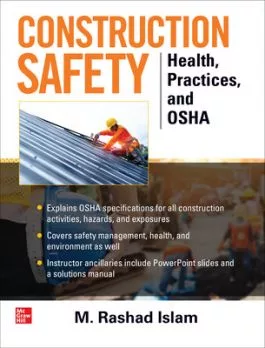
    Construction Safety: Health, Practices and OSHA

  • 9780849365461.jpg

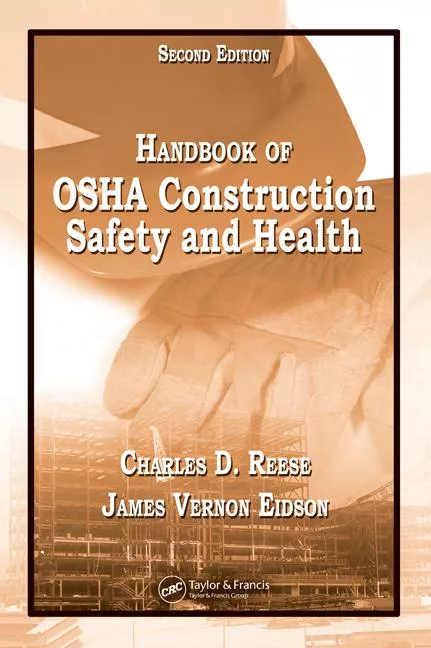
    Handbook of OSHA Construction Safety and Health, Second Edition

  • 0470387408.jpg

    Preparing for OSHA s Voluntary Protection Programs: A Guide to Success

See More Products

Events

View AllSubmit An Event
  • December 16, 2016

    ASSE to host virtual symposium on new OSHA Walking-Working Standard

    The American Society of Safety Engineers is offering a virtual symposium to help occupational safety and health professionals better understand the sweeping changes OSHA recently made to its final rule on Walking-Working Surfaces and Personal Fall Protection standards in relation to slip, trip and fall hazards.
View AllSubmit An Event

Related Directories

  • New Pig

    The world leader in absorbent products, New Pig provides innovative products to help maintain cleaner, safer, more productive work environments.
×

Become a Leader in Safety Culture

Build your knowledge with ISHN, covering key safety, health and industrial hygiene news, products, and trends.

JOIN TODAY
  • RESOURCES
    • Advertise
    • Contact Us
    • Directories
    • Manufacturing Division
    • Store
    • Want More
  • SIGN UP TODAY
    • Create Account
    • eMagazine
    • Newsletters
    • Customer Service
    • Manage Preferences
  • SERVICES
    • Marketing Services
    • Reprints
    • Market Research
    • List Rental
    • Survey/Respondent Access
  • STAY CONNECTED
    • LinkedIn
    • Facebook
    • YouTube
    • X (Twitter)
  • PRIVACY
    • PRIVACY POLICY
    • TERMS & CONDITIONS
    • DO NOT SELL MY PERSONAL INFORMATION
    • PRIVACY REQUEST
    • ACCESSIBILITY

Copyright ©2026. All Rights Reserved BNP Media, Inc. and BNP Media II, LLC.

Design, CMS, Hosting & Web Development :: ePublishing