ISHN logo
search
cart
facebook twitter linkedin youtube
  • Sign In
  • Create Account
  • Sign Out
  • My Account
ISHN logo
  • NEWS
    • Today's News
    • Global Safety News
    • Government Regulations
  • PRODUCTS
    • Product Innovations
    • Featured Products
  • TOPICS
    • Environmental Health and Safety
    • Facility Safety
    • Workplace Health
    • Occupational Safety
    • PPE
    • More Topics
  • CONSTRUCTION
  • TECHNOLOGY
  • COLUMNS
    • Best Practices
    • Dave Johnson: What’s going on
    • Editorial Comments
    • Leading Safety
  • MULTIMEDIA
    • ISHN Podcast
    • Videos
    • Cold Stress Education Quiz
    • Webinars
    • White Papers
  • MORE
    • Buyer's Guide
    • Newsletters
    • Convention Companion
    • Polls
    • Events
    • ISHN Store
    • Sponsor Insights
  • EMAGAZINE
    • eMagazine
    • Archived Issues
    • Contact
    • Advertise
  • JOIN TODAY!
Occupational Safety

A Confined Space blog post

Chamber of Commerce: Killing unions more important than saving lives

By Jordan Barab
May 23, 2017

Posted with permission from Confined Space, a newsletter of workplace safety and labor issues.

The Chamber of Commerce is nothing if it’s not consistent. Consistently opposed to each and every new protection issued or contemplated by OSHA, consistently challenging every new OSHA initiative in court, consistently (and drastically) overestimating the cost of every proposed OSHA standard, consistently opposed to any action by OSHA that would expand (or even maintain) workers’ rights.

And their consistent motive seems not to be an honest difference about how to protect workers, but one simple principle: destroying labor unions — even if it means that a few workers get hurt or die in the process.

Just a few recent examples:

On OSHA’s Recordkeeping rule

  • The Chamber of Commerce revealed in a recent submission to the Trump administration: “Furthermore,” the Chamber wrote, “posting safety records online will provide unions and trial attorneys with information that can be taken out of context and used in organizing campaigns, or form the basis of lawsuits.”
  • Randy Johnson of the U.S. Chamber of Commerce said firms were concerned that information “could be used by unions and others to smear companies. Just because you have an injury in the workplace doesn’t mean you have the bad employer, or that the employer is violating safety and health laws,” he said.

On OSHA’s (recently rescinded) Walkaround Policy

  • “The overwhelming consensus is that this will undermine the safety focus of these inspections and turn them into opportunities for unions or other parties with agendas contrary to the employer to enhance campaigns against the employer, gain entry to the employer’s premises to develop more information for the campaign, or even glean proprietary information.”

On Obama’s Fair Wages and Safe Workplaces Executive Order

  • “If you pull back the curtain it is clear the order has nothing to do with improving federal contracting and everything to do with giving unions more tools for them to use against employers. One of the key objections the U.S. Chamber has made all along about the president’s Executive Order is that it would hand the administration’s friends in the organized labor movement a powerful new tool for harassing and pressuring employers into rolling over to their demands.”

Unions mean safer workplaces

There’s no need to go into all of he reasons that certain employers and businesses associations like the Chamber of Commerce are virulently anti-union. We can sum them up by one word: “control.”  Unions give some control over wages, benefits and working conditions back to workers  — and conversely take some of that control way from management.

In the safety and health world, there is nothing more effective than ensuring that workers have a strong voice in health and safety conditions.  The writers of the Occupational Safety and Health Act understood this, giving workers (and their representatives) the right to file a complaint, walk around with the inspector, access information, observe monitoring and be protected from retaliation. (In fact, without strong unions, there would never have been an Occupational Safety and Health Act.)

And there is no better way for workers to make their voices heard than through a labor union. Organized workplaces are safer workplaces. Union workers are more likely to be educated about their rights and safety and health conditions and more likely to receive training about how to control hazards. They’re have the power to bargain safety and health conditions into their contracts and are more likely to call for an OSHA inspection when needed, and to make sure that the conditions of any settlement with OSHA are followed through on. And when a union bargains for better safety conditions at a refinery or chemical plant, the entire community benefits.

Good employers understand the need for strong worker participation in their safety and health program.

If unions weren’t so effective and important to workplace safety and health,  you wouldn’t have associations like the Chamber of Commerce citing unions in every argument they make to weaken OSHA and worker’s right to a safe workplace. And if it wasn’t for my “union ties” working for AFSCME and the AFL-CIO, I would never have had the privilege of being named by the Chamber as a “Threat to Business” when I was appointed Acting Assistant Secretary in 2009.

I know all of this seems obvious to those who follow workplace safety and health issues carefully. When you’re shaking your head, wondering how the Chamber and other associations can oppose every common sense protection issued by OSHA, remember what’s behind it all.

Click here to visit Confined Space.

KEYWORDS: workplace safety

Share This Story

Looking for a reprint of this article?
From high-res PDFs to custom plaques, order your copy today!

Barab

Jordan Barab served as Deputy Assistant Secretary of Labor at OSHA from 2009 to 2017. Before that he worked for the House Education and Labor Committee, the Chemical Safety Board, the AFL-CIO, OSHA and AFSCME. He currently produces Confined Space, a newsletter of workplace safety and labor issues.

Recommended Content

JOIN TODAY
to unlock your recommendations.

Already have an account? Sign In

  • forklift safety

    Exploring the latest technologies in forklift safety

    With more staff and more stock in warehousing now more...
    Facility Safety
    By: Josh Cramer
  • welding

    All about welder’s flash or arc eye

    A flash burn is a painful inflammation of the cornea,...
    Environmental Health and Safety
  • dangerous jobs

    The 10 most dangerous jobs in the U.S.

    On-the-job deaths have been rising — hitting the highest...
    Occupational Safety
    By: Benita Mehta
Manage My Account
  • eMagazine Subscriptions
  • ISHN Newsletter & Other Newsletter Alerts
  • Online Registration
  • Manage My Preferences
  • Subscription Customer Service

More Videos

Sponsored Content

Sponsored Content is a special paid section where industry companies provide high quality, objective, non-commercial content around topics of interest to the ISHN audience. All Sponsored Content is supplied by the advertising company and any opinions expressed in this article are those of the author and not necessarily reflect the views of ISHN or its parent company, BNP Media. Interested in participating in our Sponsored Content section? Contact your local rep!

close
  • man wearing the the Sundström SR200 Full Face Mask Respirator
    Sponsored byOHD

    5 Fit Testing Mistakes That Could Cost You

  • This image shows Magid AcuSpex polarized blue mirrored safety glasses.
    Sponsored byMagid Glove and Safety

    Construction PPE Guide: What Crews Need for Each Task

  • lone worker in confined space
    Sponsored byAlphasense Ltd.

    GET THE LEAD OUT of your Safety Oxygen Sensors!

Popular Stories

SpaceX 7 launch

OSHA Investigating Fatal Fall at SpaceX Starbase

Worker Impairment

How to Tell When a Co-Worker is Impaired? A Safety Pro’s Challenge

psychology in the workplace

Most Workplaces Measure Psychological Safety, Ignoring Psychosocial Risks

top 10 most dangerous jobs

Poll

Seasonal Readiness

With the federal heat stress prevention rule on the horizon, which area of your safety program needs the most attention?
View Results Poll Archive

Products

Surviving an OSHA Audit A Management Guide, 2nd Edition

Surviving an OSHA Audit A Management Guide, 2nd Edition

See More Products

ISHN Podcasts

Related Articles

  • Time is (more important than) money

    See More
  • More important than trust alone ...

    See More
  • Employee health promotion more important than ever in economic crunch (10/22)

    See More

Related Products

See More Products
  • 1119906652.webp

    Alive and Well at the End of the Day: The Supervisor's Guide to Managing Safety in Operations, 2E

  • fearless world.jpg

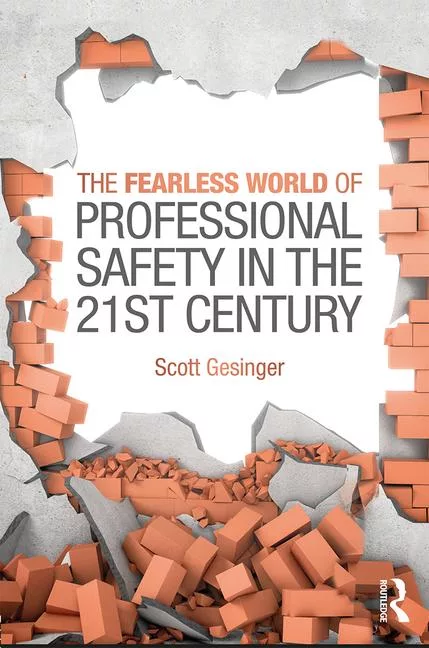
    The Fearless World of Professional Safety in the 21st Century

See More Products

Related Directories

  • Florida Chamber Safety Council

    With vision and strategy guided by a Statewide Leadership Advisory Board, the Florida Chamber Safety Council is creating national standards for workplace safety, implementing first-in-the-nation programs to prevent injuries, reduce operational costs, and improve production, performance, and corporate safety culture.
×

Become a Leader in Safety Culture

Build your knowledge with ISHN, covering key safety, health and industrial hygiene news, products, and trends.

JOIN TODAY
  • RESOURCES
    • Advertise
    • Contact Us
    • Directories
    • Manufacturing Division
    • Store
    • Want More
  • SIGN UP TODAY
    • Create Account
    • eMagazine
    • Newsletters
    • Customer Service
    • Manage Preferences
  • SERVICES
    • Marketing Services
    • Reprints
    • Market Research
    • List Rental
    • Survey/Respondent Access
  • STAY CONNECTED
    • LinkedIn
    • Facebook
    • YouTube
    • X (Twitter)
  • PRIVACY
    • PRIVACY POLICY
    • TERMS & CONDITIONS
    • DO NOT SELL MY PERSONAL INFORMATION
    • PRIVACY REQUEST
    • ACCESSIBILITY

Copyright ©2026. All Rights Reserved BNP Media, Inc. and BNP Media II, LLC.

Design, CMS, Hosting & Web Development :: ePublishing