ISHN logo
search
cart
facebook twitter linkedin youtube
  • Sign In
  • Create Account
  • Sign Out
  • My Account
ISHN logo
  • NEWS
    • Today's News
    • Global Safety News
    • Government Regulations
  • PRODUCTS
    • Product Innovations
    • Featured Products
  • TOPICS
    • Environmental Health and Safety
    • Facility Safety
    • Workplace Health
    • Occupational Safety
    • PPE
    • More Topics
  • CONSTRUCTION
  • TECHNOLOGY
  • COLUMNS
    • Best Practices
    • Dave Johnson: What’s going on
    • Editorial Comments
    • Leading Safety
  • MULTIMEDIA
    • ISHN Podcast
    • Videos
    • Cold Stress Education Quiz
    • Webinars
    • White Papers
  • MORE
    • Buyer's Guide
    • Newsletters
    • Convention Companion
    • Polls
    • Events
    • ISHN Store
    • Sponsor Insights
  • EMAGAZINE
    • eMagazine
    • Archived Issues
    • Contact
    • Advertise
  • JOIN TODAY!
Facility Safety

Proactive planning: Five essentials of emergency preparedness

By Bob Risk
June 30, 2017

Here are five considerations when developing or re-evaluating your organization’s emergency preparedness plan:

  • Assess your hazards. Emergency preparedness planning should begin by listing potential emergencies that could impact your business. These could include fires and explosions, severe weather, regional disasters, medical emergencies, chemical spills, equipment failure and power outages. Evaluate their effect on employees, property and business continuity.
  • Develop procedures. Develop response mechanisms including evacuation plans and in-house procedures to safeguard your employees and crucial assets.
  • Purchase supplies. Stock up on emergency supplies ranging from fire extinguishers, emergency preparedness kits, long-term shelf life water and food, crank-powered cell phone chargers, emergency lighting (flashlights, lanterns and glow sticks), extra batteries, blankets and exit signs.
  • Employee training. All members of your staff should be instructed on emergency procedures at the time of hire and kept up to date on procedures if there are any changes in the plan. Regular drills should be conducted. Posting signage and posters throughout your facility can serve as a good reminder and help employees reference safety procedures on a regular basis.
  • Ensure the safety of your technology/data. Power outages can damage equipment. Make sure you back up company data through a hosted, off-site service in addition to onsite storage. Check that your back-up system is working properly on a regular basis, so you won’t run into trouble or lose valuable company information if a hazard strikes.

FAQs

Are the essentials of emergency preparedness different depending on the type of emergency incident? Procedures may vary for different emergencies as certain situations or events may call for a specific set of procedures or measures. The essentials outlined above would apply in most situations.

What should employers do to ensure business continuity if a natural disaster strikes? Communication, transportation and supply chains are often the most severely disrupted functions when a disaster strikes. It’s important to create plans for off-site operations in the event of serious damage. If possible, provide your employees with the proper technology to telecommute productively. This includes technology, such as access to Virtual Private Network (VPN), to enable employees to securely obtain the same data they normally would in the workplace.

How can social media, texting, etc. be used to communicate warnings and other instructions? As soon as decisions are made on how an approaching situation will be handled, appropriate instructions should be communicated to employees on pre-publicized social media sites. The various instruction designations and websites should have been covered in communications and practice sessions prior to the actual event.

How can employees set up “accounting” systems to make sure all their employees are accounted for, and are safely evacuated and/or protected, before an emergency incident hits? When dealing with evacuations from a location or into a predetermined “safe” area, pre-produced sign out and sign-in sheets should be used to help determine that all employees are accounted for. For example, as employees leave the building or enter the “safe” area, they should sign their name next to their pre-printed name on a company roster. It is helpful to have the font on these roster sheets be large enough and organized well enough to make the signing process quick and easy.

What else should safety and health directors know about emergency preparedness? Every business has unique needs when it comes to emergency preparedness. It’s important to prepare ahead of time, as well as review your existing emergency plans regularly, to make sure that it incorporates important changes in the business environment. Whether it be a natural disaster, storm or unexpected emergency, having a proactive plan in place will help ensure the well-being of employees.

Culture counts

Ultimately, safeguarding your employees and business during an emergency comes down to creating a safe, educated workplace culture. A safety culture encompasses the values used by management and workers to determine how they behave at work. It’s important for safety to be a continuous, integrated process, rather than just a compliance requirement. Establishing a safety culture will help your business’ bottom line, while protecting your most important assets – your employees.

KEYWORDS: emergency emergency preparedness

Share This Story

Looking for a reprint of this article?
From high-res PDFs to custom plaques, order your copy today!

Bob Risk is the national safety, health & wellness manager for Staples.

Recommended Content

JOIN TODAY
to unlock your recommendations.

Already have an account? Sign In

  • forklift safety

    Exploring the latest technologies in forklift safety

    With more staff and more stock in warehousing now more...
    Workplace Training Strategies
    By: Josh Cramer
  • welding

    All about welder’s flash or arc eye

    A flash burn is a painful inflammation of the cornea,...
    Environmental Health and Safety
  • dangerous jobs

    The 10 most dangerous jobs in the U.S.

    On-the-job deaths have been rising — hitting the highest...
    Occupational Safety
    By: Benita Mehta
Manage My Account
  • eMagazine Subscriptions
  • ISHN Newsletter & Other Newsletter Alerts
  • Online Registration
  • Manage My Preferences
  • Subscription Customer Service

More Videos

Sponsored Content

Sponsored Content is a special paid section where industry companies provide high quality, objective, non-commercial content around topics of interest to the ISHN audience. All Sponsored Content is supplied by the advertising company and any opinions expressed in this article are those of the author and not necessarily reflect the views of ISHN or its parent company, BNP Media. Interested in participating in our Sponsored Content section? Contact your local rep!

close
  • man wearing the the Sundström SR200 Full Face Mask Respirator
    Sponsored byOHD

    5 Fit Testing Mistakes That Could Cost You

  • This image shows Magid AcuSpex polarized blue mirrored safety glasses.
    Sponsored byMagid Glove and Safety

    Construction PPE Guide: What Crews Need for Each Task

  • lone worker in confined space
    Sponsored byAlphasense Ltd.

    GET THE LEAD OUT of your Safety Oxygen Sensors!

Popular Stories

SpaceX 7 launch

OSHA Investigating Fatal Fall at SpaceX Starbase

Automated loading dock equipment

After March 2026 Rivian Death, Safety Managers Reassess Loading Dock Systems Under OSHA's Warehouse Emphasis Program

psychology in the workplace

Most Workplaces Measure Psychological Safety, Ignoring Psychosocial Risks

top 10 most dangerous jobs

Poll

Seasonal Readiness

With the federal heat stress prevention rule on the horizon, which area of your safety program needs the most attention?
View Results Poll Archive

Products

Surviving an OSHA Audit A Management Guide, 2nd Edition

Surviving an OSHA Audit A Management Guide, 2nd Edition

See More Products

ISHN Podcasts

Related Articles

  • Emergency preparedness tips in wake of Philadelphia building collapse

    See More
  • A Look at the NIOSH Emergency Preparedness and Response Office for National Preparedness Month

    See More
  • It’s a safe bet: You’ll be prepared for any emergency with Armchem’s 167-piece Emergency Preparedness Kit

    See More

Related Products

See More Products
  • 9781566703703.jpg

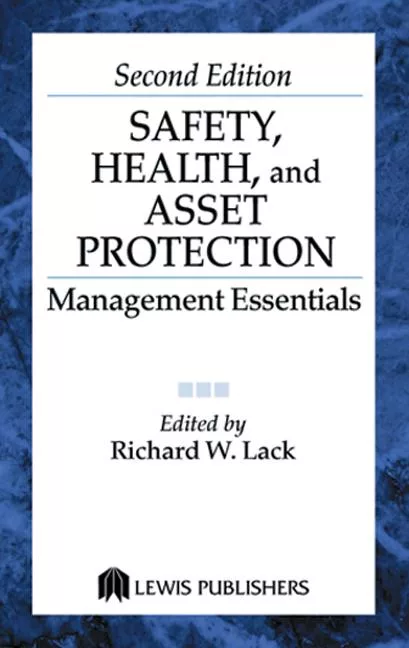
    Safety, Health, and Asset Protection: Management Essentials, Second Edition

See More Products

Related Directories

  • DQE Inc.

    Since our founding in 1990, DQE Inc. has remained a committed domestic manufacturer of portable decontamination shower systems and developer of preparedness support solutions. We champion a practical approach to product selection and development informed by our background in national healthcare emergency preparedness and on-scene emergency response. We bring our experience, passion, and knowledge to customers every day to address complex industry challenges. We continue to design novel products and solutions for a diverse mix of organizations across several industries. The DQE global distribution network and export experience allow us to efficiently support multi-national organizations as well. Visit us here to learn more about our legacy and how we continue to help organizations like yours be Ready Now for What’s Next! https://dqeready.com/about-dqe/
×

Become a Leader in Safety Culture

Build your knowledge with ISHN, covering key safety, health and industrial hygiene news, products, and trends.

JOIN TODAY
  • RESOURCES
    • Advertise
    • Contact Us
    • Directories
    • Manufacturing Division
    • Store
    • Want More
  • SIGN UP TODAY
    • Create Account
    • eMagazine
    • Newsletters
    • Customer Service
    • Manage Preferences
  • SERVICES
    • Marketing Services
    • Reprints
    • Market Research
    • List Rental
    • Survey/Respondent Access
  • STAY CONNECTED
    • LinkedIn
    • Facebook
    • YouTube
    • X (Twitter)
  • PRIVACY
    • PRIVACY POLICY
    • TERMS & CONDITIONS
    • DO NOT SELL MY PERSONAL INFORMATION
    • PRIVACY REQUEST
    • ACCESSIBILITY

Copyright ©2026. All Rights Reserved BNP Media, Inc. and BNP Media II, LLC.

Design, CMS, Hosting & Web Development :: ePublishing