ISHN logo
search
cart
facebook twitter linkedin youtube
  • Sign In
  • Create Account
  • Sign Out
  • My Account
ISHN logo
  • NEWS
    • Today's News
    • Global Safety News
    • Government Regulations
  • PRODUCTS
    • Product Innovations
    • Featured Products
  • TOPICS
    • Environmental Health and Safety
    • Facility Safety
    • Workplace Health
    • Occupational Safety
    • PPE
    • More Topics
  • CONSTRUCTION
  • TECHNOLOGY
  • COLUMNS
    • Best Practices
    • Dave Johnson: What’s going on
    • Editorial Comments
    • Leading Safety
  • MULTIMEDIA
    • ISHN Podcast
    • Videos
    • Cold Stress Education Quiz
    • Webinars
    • White Papers
  • MORE
    • Buyer's Guide
    • Newsletters
    • Convention Companion
    • Polls
    • Events
    • ISHN Store
    • Sponsor Insights
  • EMAGAZINE
    • eMagazine
    • Archived Issues
    • Contact
    • Advertise
  • JOIN TODAY!
Today's Safety NewsTransportation Safety

Drowsy driving a bigger problem than previously thought

February 13, 2018

The percentage of crashes involving drowsiness is nearly eight times higher than federal estimates indicate, according to the AAA Foundation for Traffic Safety. The travel organization is touting the study as the most in-depth drowsy driving research ever conducted in the U.S. using footage of everyday drivers.

Analysis of in-vehicle dashcam video from more than 700 crashes confirmed that the danger of drowsy driving goes well beyond the federal estimates of drowsiness being a factor in only one to two percent of crashes.

Eyes closed while driving

In the study, researchers examined video of drivers’ faces in the three minutes leading up to a crash. Using a scientific measure linking the percentage of time a person’s eyes are closed to their level of drowsiness, the researchers determined that 9.5 percent of all crashes and 10.8 percent of crashes resulting in significant property damage involved drowsiness.

“Drivers who don’t get enough sleep are putting everyone on the road at risk,” said Dr. David Yang, executive director for the Foundation.

How much sleep?

The Centers for Disease Control and Prevention says that 35 percent of U.S. drivers sleep less than the recommended minimum of seven hours daily. In a recent related AAA Foundation survey, nearly all drivers (96 percent) say they view drowsy driving as a serious threat to their safety and a completely unacceptable behavior. However, 29 percent admitted to driving when they were so tired they had a hard time keeping their eyes open at some point in the past month.

“As many Americans struggle to balance their busy schedules, missing a few hours of sleep each day can often seem harmless,” said Jake Nelson, director of Traffic Safety Advocacy and Research for AAA. “But missing just two to three hours of sleep can more than quadruple your risk for a crash, which is the equivalent of driving drunk.”

Knowing the warning signs of drowsiness can help drivers avoid dozing off behind the wheel. The most common symptoms include:

  • Having trouble keeping your eyes open
  • Drifting from your lane
  • Not remembering the last few miles driven

Drivers however should not rely on their bodies to provide warning signs for drowsiness and should instead prioritize getting at least seven hours of sleep before hitting the road.

“Don’t be fooled, the only antidote for drowsiness is sleep,” said William Van Tassel, manager of Driver Training for AAA. “Short term tactics like drinking coffee, singing, rolling down the window will not work. Your body’s need for sleep will eventually override your brain’s attempts to stay awake.”

AAA recommends that drivers:

  • Travel at times of the day when they are normally awake
  • Avoid heavy foods
  • Avoid medications that cause drowsiness or other impairment
  • For longer trips, drivers should:
  • Schedule a break every two hours or every 100 miles
  • Travel with an alert passenger and take turns driving

Do not underestimate the power of a quick nap. Pulling into a rest stop and taking a quick catnap — at least 20 minutes and no more than 30 minutes of sleep– can help to keep you alert on the road.

A tool to help

To help drivers determine if their medications may cause drowsiness, AAA and the AAA Foundation developed Roadwise Rx, a free and confidential online tool that generates personalized feedback about how the interactions between prescription, over-the-counter medicines and herbal supplements can affect safety behind the wheel.

The AAA Foundation for Traffic Safety’s report, Prevalence of Drowsy Driving Crashes: Estimates from a Large-Scale Naturalistic Driving Study, is based on the analysis of in-vehicle video footage of crashes that occurred during the Second Strategic Highway Research Program’s Naturalistic Driving Study (SHRP 2 NDS). The federally funded study recruited 3,593 drivers from six study sites across the U.S. The drivers were monitored continually using in-vehicle video and other data collection equipment while driving their personal vehicles for a period of several months.

KEYWORDS: accident prevention motor vehicle accident prevention motor vehicle accidents traffic safety

Share This Story

Looking for a reprint of this article?
From high-res PDFs to custom plaques, order your copy today!

Recommended Content

JOIN TODAY
to unlock your recommendations.

Already have an account? Sign In

  • forklift safety

    Exploring the latest technologies in forklift safety

    With more staff and more stock in warehousing now more...
    Workplace Training Strategies
    By: Josh Cramer
  • welding

    All about welder’s flash or arc eye

    A flash burn is a painful inflammation of the cornea,...
    Environmental Health and Safety
  • dangerous jobs

    The 10 most dangerous jobs in the U.S.

    On-the-job deaths have been rising — hitting the highest...
    Transportation Safety
    By: Benita Mehta
Manage My Account
  • eMagazine Subscriptions
  • ISHN Newsletter & Other Newsletter Alerts
  • Online Registration
  • Manage My Preferences
  • Subscription Customer Service

More Videos

Sponsored Content

Sponsored Content is a special paid section where industry companies provide high quality, objective, non-commercial content around topics of interest to the ISHN audience. All Sponsored Content is supplied by the advertising company and any opinions expressed in this article are those of the author and not necessarily reflect the views of ISHN or its parent company, BNP Media. Interested in participating in our Sponsored Content section? Contact your local rep!

close
  • man wearing the the Sundström SR200 Full Face Mask Respirator
    Sponsored byOHD

    5 Fit Testing Mistakes That Could Cost You

  • This image shows Magid AcuSpex polarized blue mirrored safety glasses.
    Sponsored byMagid Glove and Safety

    Construction PPE Guide: What Crews Need for Each Task

  • lone worker in confined space
    Sponsored byAlphasense Ltd.

    GET THE LEAD OUT of your Safety Oxygen Sensors!

Popular Stories

chemical safety

It Was Just Sugar: Catastrophic Safety Failures in Louisville

Automated loading dock equipment

After March 2026 Rivian Death, Safety Managers Reassess Loading Dock Systems Under OSHA's Warehouse Emphasis Program

psychology in the workplace

Most Workplaces Measure Psychological Safety, Ignoring Psychosocial Risks

top 10 most dangerous jobs

Events

July 21, 2026

When Dust Becomes a Disaster

In this webinar, attendees will gain a foundational understanding of combustible dust hazards, including the conditions that lead to fires and explosions, common ignition sources, and high-risk processes found throughout industry.

View All Submit An Event

Poll

Seasonal Readiness

With the federal heat stress prevention rule on the horizon, which area of your safety program needs the most attention?
View Results Poll Archive

Products

Surviving an OSHA Audit A Management Guide, 2nd Edition

Surviving an OSHA Audit A Management Guide, 2nd Edition

See More Products

ISHN Podcasts

Related Articles

  • Report: Climate change may occur even faster than previously thought

    See More
  • Wake up! It's Drowsy Driving Prevention Week

    See More
  • It’s Drowsy Driving Prevention Week

    See More

Related Products

See More Products
  • 9780367861148.jpg

    LEAD Safety A Practical Handbook for Frontline Supervisors and Safety Practitioners

  • 111885960X.jpg

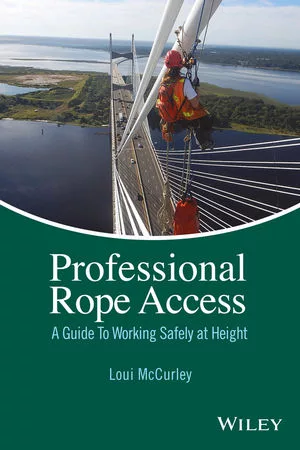
    Professional Rope Access: A Guide To Working Safely at Height

  • 0470387408.jpg

    Preparing for OSHA s Voluntary Protection Programs: A Guide to Success

See More Products

Related Directories

  • LineDrive

    LineDrive is a solutions-based sales agency that specializes in People Safety, Facility Safety, and Facility Maintenance & Productivity. We partner with top brands to deliver services and solutions that keep your facility safe and productive. Our services and solutions are free of charge; we simply ask that if we help solve a problem, reduce risk or increase productivity, that you support our partner brands with a purchase via your preferred distributor.
×

Become a Leader in Safety Culture

Build your knowledge with ISHN, covering key safety, health and industrial hygiene news, products, and trends.

JOIN TODAY
  • RESOURCES
    • Advertise
    • Contact Us
    • Directories
    • Manufacturing Division
    • Store
    • Want More
  • SIGN UP TODAY
    • Create Account
    • eMagazine
    • Newsletters
    • Customer Service
    • Manage Preferences
  • SERVICES
    • Marketing Services
    • Reprints
    • Market Research
    • List Rental
    • Survey/Respondent Access
  • STAY CONNECTED
    • LinkedIn
    • Facebook
    • YouTube
    • X (Twitter)
  • PRIVACY
    • PRIVACY POLICY
    • TERMS & CONDITIONS
    • DO NOT SELL MY PERSONAL INFORMATION
    • PRIVACY REQUEST
    • ACCESSIBILITY

Copyright ©2026. All Rights Reserved BNP Media, Inc. and BNP Media II, LLC.

Design, CMS, Hosting & Web Development :: ePublishing