ISHN logo
search
cart
facebook twitter linkedin youtube
  • Sign In
  • Create Account
  • Sign Out
  • My Account
ISHN logo
  • NEWS
    • Today's News
    • Global Safety News
    • Government Regulations
  • PRODUCTS
    • Product Innovations
    • Featured Products
  • TOPICS
    • Environmental Health and Safety
    • Facility Safety
    • Workplace Health
    • Occupational Safety
    • PPE
    • More Topics
  • CONSTRUCTION
  • TECHNOLOGY
  • COLUMNS
    • Best Practices
    • Dave Johnson: What’s going on
    • Editorial Comments
    • Leading Safety
  • MULTIMEDIA
    • ISHN Podcast
    • Videos
    • Cold Stress Education Quiz
    • Webinars
    • White Papers
  • MORE
    • Buyer's Guide
    • Newsletters
    • Convention Companion
    • Polls
    • Events
    • ISHN Store
    • Sponsor Insights
  • EMAGAZINE
    • eMagazine
    • Archived Issues
    • Contact
    • Advertise
  • JOIN TODAY!
Today's Safety NewsTransportation Safety

It’s Drowsy Driving Prevention Week

November 9, 2016

The National Institute for Occupational Safety and Health (NIOSH) Center for Motor Vehicle Safety is observing Drowsy Driving Prevention Week, hosted by the National Sleep Foundation. The campaign is designed to reduce the number of fatigue-related crashes and to save lives. Follow @NIOSH_MVSafety for #Awake2Drive tips throughout the week, and catch up on the Center’s sleep-focused issue of Behind the Wheel at Work.

Fatigued driving v. drowsy driving

Fatigue is a known contributor to roadway crashes among commercial motor vehicle drivers, others who drive for work, and the general public. Not surprisingly, the issue of fatigued driving is a growing safety concern for government agencies, businesses, and safety advocates. However, in media reports and safety materials, we often see the terms "drowsy driving" and “fatigued driving” used interchangeably. But do they really mean the same thing?

"Drowsiness" generally refers to the result of sleep restriction, disturbed sleep, or poor quality sleep. It may also result from medication side effects. According to a study by the AAA Foundation for Traffic Safety, people who sleep 6 to 7 hours a night are twice as likely to be involved in a sleep-related crash as those sleeping 8 hours or more. People sleeping less than 5 hours increase their risk four to five times.

"Fatigue," on the other hand, is a broader concept that has been defined in many different ways. While drowsiness can be a component of fatigue, fatigue can also result from a range of other sources such as stress, physical demands, or health conditions. These can have a combined or cumulative effect, with long-lasting consequences. All these sources affect the same region in the brain that is responsible for cognitive functions such as concentration, hand-eye coordination, and decision-making – skills that are needed for safe driving.

Fatigue can affect anyone, and it can be difficult to predict. Whether cognitive impairments stem from lack of sleep, sleep disruptions, or other sources, it’s critical from a safety perspective to recognize when your driving skills may be compromised, and to take appropriate precautions.

Strategies for reducing fatigue behind the wheel:

  • Improve sleep habits to obtain adequate, quality sleep (see NIOSH's "Quick sleep tips for truck drivers").
  • Take frequent breaks during your journey to break up the monotony of driving.
  • Reduce or eliminate distractions such as mobile phones. As we become more fatigued, our ability to sustain concentration is compromised.
  • Adopt a healthy lifestyle (e.g., diet and exercise).
  • Reduce the need for driving by doing work by phone or video-conferencing, choosing safer modes of transportation such as air or rail, or combining trips and loads.
KEYWORDS: accident prevention motor vehicle accident prevention motor vehicle accidents traffic accidents vehicle safety

Share This Story

Looking for a reprint of this article?
From high-res PDFs to custom plaques, order your copy today!

Recommended Content

JOIN TODAY
to unlock your recommendations.

Already have an account? Sign In

  • forklift safety

    Exploring the latest technologies in forklift safety

    With more staff and more stock in warehousing now more...
    Facility Safety
    By: Josh Cramer
  • welding

    All about welder’s flash or arc eye

    A flash burn is a painful inflammation of the cornea,...
    Environmental Health and Safety
  • dangerous jobs

    The 10 most dangerous jobs in the U.S.

    On-the-job deaths have been rising — hitting the highest...
    Construction Industry Safety and Health
    By: Benita Mehta
Manage My Account
  • eMagazine Subscriptions
  • ISHN Newsletter & Other Newsletter Alerts
  • Online Registration
  • Manage My Preferences
  • Subscription Customer Service

More Videos

Sponsored Content

Sponsored Content is a special paid section where industry companies provide high quality, objective, non-commercial content around topics of interest to the ISHN audience. All Sponsored Content is supplied by the advertising company and any opinions expressed in this article are those of the author and not necessarily reflect the views of ISHN or its parent company, BNP Media. Interested in participating in our Sponsored Content section? Contact your local rep!

close
  • man wearing the the Sundström SR200 Full Face Mask Respirator
    Sponsored byOHD

    5 Fit Testing Mistakes That Could Cost You

  • This image shows Magid AcuSpex polarized blue mirrored safety glasses.
    Sponsored byMagid Glove and Safety

    Construction PPE Guide: What Crews Need for Each Task

  • lone worker in confined space
    Sponsored byAlphasense Ltd.

    GET THE LEAD OUT of your Safety Oxygen Sensors!

Popular Stories

SpaceX 7 launch

OSHA Investigating Fatal Fall at SpaceX Starbase

dust explosion

Tennessee OSHA Issues Record $3.1M Fine After Deadly Explosion at Munitions Plant

roofing dangerous jobs Getty.jpg

OSHA Finds Florida Roofing Company Willfully Exposed Workers to Safety Hazards After Worker’s Fatal Fall

top 10 most dangerous jobs

Poll

Seasonal Readiness

With the federal heat stress prevention rule on the horizon, which area of your safety program needs the most attention?
View Results Poll Archive

Products

Surviving an OSHA Audit A Management Guide, 2nd Edition

Surviving an OSHA Audit A Management Guide, 2nd Edition

See More Products

ISHN Podcasts

Related Articles

  • Wake up! It's Drowsy Driving Prevention Week

    See More
  • Drowsy driving a bigger problem than previously thought

    See More
  • house

    Make a plan during National Fire Prevention Week

    See More

Related Products

See More Products
  • 9781138072824.jpg

    Accident/Incident Prevention Techniques, Second Edition

  • 9781482217148.jpg

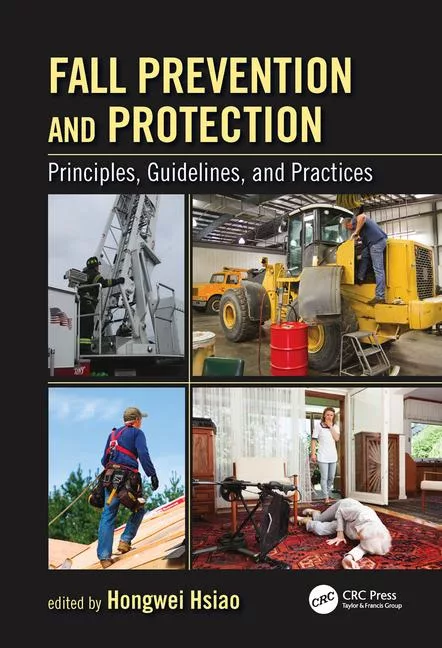
    Fall Prevention and Protection: Principles, Guidelines, and Practices

See More Products
×

Become a Leader in Safety Culture

Build your knowledge with ISHN, covering key safety, health and industrial hygiene news, products, and trends.

JOIN TODAY
  • RESOURCES
    • Advertise
    • Contact Us
    • Directories
    • Manufacturing Division
    • Store
    • Want More
  • SIGN UP TODAY
    • Create Account
    • eMagazine
    • Newsletters
    • Customer Service
    • Manage Preferences
  • SERVICES
    • Marketing Services
    • Reprints
    • Market Research
    • List Rental
    • Survey/Respondent Access
  • STAY CONNECTED
    • LinkedIn
    • Facebook
    • YouTube
    • X (Twitter)
  • PRIVACY
    • PRIVACY POLICY
    • TERMS & CONDITIONS
    • DO NOT SELL MY PERSONAL INFORMATION
    • PRIVACY REQUEST
    • ACCESSIBILITY

Copyright ©2026. All Rights Reserved BNP Media, Inc. and BNP Media II, LLC.

Design, CMS, Hosting & Web Development :: ePublishing