ISHN logo
search
cart
facebook twitter linkedin youtube
  • Sign In
  • Create Account
  • Sign Out
  • My Account
ISHN logo
  • NEWS
    • Today's News
    • Global Safety News
    • Government Regulations
  • PRODUCTS
    • Product Innovations
    • Featured Products
  • TOPICS
    • Environmental Health and Safety
    • Facility Safety
    • Workplace Health
    • Occupational Safety
    • PPE
    • More Topics
  • CONSTRUCTION
  • TECHNOLOGY
  • COLUMNS
    • Best Practices
    • Dave Johnson: What’s going on
    • Editorial Comments
    • Leading Safety
  • MULTIMEDIA
    • ISHN Podcast
    • Videos
    • Cold Stress Education Quiz
    • Webinars
    • White Papers
  • MORE
    • Buyer's Guide
    • Newsletters
    • Convention Companion
    • Polls
    • Events
    • ISHN Store
    • Sponsor Insights
  • EMAGAZINE
    • eMagazine
    • Archived Issues
    • Contact
    • Advertise
  • JOIN TODAY!
Environmental Health and SafetyIndustrial HygieneSafety & Health Best Practices

5 safety and hygiene practices to double-check before 2019

By Kayla Matthews
December 24, 2018

Now is the time for occupational safety professionals to check that the safety and hygiene practices in place at their workplaces are compliant with regulatory bodies — like OSHA — and will safeguard workers' wellbeing.

Data collected by the U.S. Bureau of Labor Statistics (BLS) indicates that workplace accidents show a prolonged downward trend, but that's no reason to get complacent. Here are five things safety managers should verify before 2019 arrives.

1. Equipment and behaviors to minimize falls

Falls are a leading cause of workplace injuries. On January 17, 2017, OSHA enacted new rules regarding workplace surfaces and reducing falls as well as ways to prevent falls that happen when workers perform tasks at dangerous heights. One of those recent stipulations involves letting employers choose their fall protection systems by selecting from approved options.

Plus, occupational safety personnel should remind workers to exercise caution on slick and wet surfaces, use signs to warn others of hazardous surfaces and employ handrails or floor mats to further reduce risks.

2. A process for ill workers — especially those handling food

When people come to work sick, they could make their colleagues and members of the public ill too. That risk is particularly apparent among food service workers. Data from the Centers for Disease Control and Prevention (CDC) showed that 20 percent of workers completed at least one shift while experiencing vomiting or diarrhea. They could pass their illnesses on to people they interact with on a given day as well as the individuals who eat the foods they serve.

One of the best ways to discourage people from showing up sick is to create a procedure for them to follow for notifying supervisors of their illnesses so that those managers can find coverage when necessary. The Food and Drug Administration's Food Code stipulates that ill food service employees with certain symptoms must notify management.

3. Reasonable access to restrooms

Amazon recently came under fire after allegations that its employees urinated in bottles to boost their chances of meeting performance targets and not having to go to the faraway restrooms. Of course, Amazon denied that claim, asserting that all of its employees could easily access facility restrooms.

Regardless of the legitimacy of the claim, the situation is a reminder that all companies must provide appropriate restroom access. For example, it's unlawful to make assembly line workers delay using the bathroom to keep productivity and safety levels high. As an alternative, the employees could tell line overseers that they need bathroom breaks.

It's also crucial that there are enough restrooms to serve the number of employees at an organization. Otherwise, their level of access may be considered unreasonable due to lengthy wait times.

4. Protective respiratory equipment supplied to appropriate employees

Millions of people who work in jobs associated with exposure to things that may impair breathing, such as gases, fumes, smoke and dust, wear respirators to stay safe and healthy at work. The respirators either remove contaminants from the air or provide air from a secondary source.

Failing to provide equipment to the employees who need it is a way to risk violating OSHA regulations. If someone breaks compliance, penalties of up to $500,000 could result depending on the extent of the non-compliance.

5. Awareness and education for seasonal dangers

Seasonal dangers also exist that could pose safety risks. Fortunately, OSHA regularly issues updates to provide the necessary guidance, just as the organization did during hurricane season to give recommendations for blue roofs, or the practice of installing blue tarps over the affected areas of buildings with damaged roofs.

If workers have to endure extreme temperatures, employee safety means considering how to keep workers protected from the elements, such as by requiring them to wear clothes to protect them from frostbite during the winter or staying adequately hydrated during intensely hot days.

Fatigue can also be a workplace danger, especially during the busiest seasons of a year. A stockroom employee might work overtime at a retail facility during the holiday season and find that tiredness increases their risk of accidents.

Statistics from a National Safety Council survey found that 90 percent of employers recognize that fatigue impacts their organizations. Most workers feel tired at work, but less than three-quarters of them see fatigue as a safety risk. Fatigue is not only a risk during busy periods, of course, but organizations must be exceptionally aware of it during such times.

Check practices at least annually

It's a good idea for organizations to assess the recommendations outlined here at least every year, making improvements as needed.

KEYWORDS: accident prevention injuries workplace safety

Share This Story

Looking for a reprint of this article?
From high-res PDFs to custom plaques, order your copy today!

Kayla matthews

Kayla Matthews writes about robotics, safety and the future of work for publications like Robotics Business Tomorrow, The Week and Manufacturing.net. To read articles from Kayla on other tech topics, please visit her blog, Productivity Bytes.

Recommended Content

JOIN TODAY
to unlock your recommendations.

Already have an account? Sign In

  • forklift safety

    Exploring the latest technologies in forklift safety

    With more staff and more stock in warehousing now more...
    Workplace Training Strategies
    By: Josh Cramer
  • welding

    All about welder’s flash or arc eye

    A flash burn is a painful inflammation of the cornea,...
    Environmental Health and Safety
  • dangerous jobs

    The 10 most dangerous jobs in the U.S.

    On-the-job deaths have been rising — hitting the highest...
    Transportation Safety
    By: Benita Mehta
Manage My Account
  • eMagazine Subscriptions
  • ISHN Newsletter & Other Newsletter Alerts
  • Online Registration
  • Manage My Preferences
  • Subscription Customer Service

More Videos

Sponsored Content

Sponsored Content is a special paid section where industry companies provide high quality, objective, non-commercial content around topics of interest to the ISHN audience. All Sponsored Content is supplied by the advertising company and any opinions expressed in this article are those of the author and not necessarily reflect the views of ISHN or its parent company, BNP Media. Interested in participating in our Sponsored Content section? Contact your local rep!

close
  • man wearing the the Sundström SR200 Full Face Mask Respirator
    Sponsored byOHD

    5 Fit Testing Mistakes That Could Cost You

  • This image shows Magid AcuSpex polarized blue mirrored safety glasses.
    Sponsored byMagid Glove and Safety

    Construction PPE Guide: What Crews Need for Each Task

  • lone worker in confined space
    Sponsored byAlphasense Ltd.

    GET THE LEAD OUT of your Safety Oxygen Sensors!

Popular Stories

SpaceX 7 launch

OSHA Investigating Fatal Fall at SpaceX Starbase

Automated loading dock equipment

After March 2026 Rivian Death, Safety Managers Reassess Loading Dock Systems Under OSHA's Warehouse Emphasis Program

chemical safety

It Was Just Sugar: Catastrophic Safety Failures in Louisville

top 10 most dangerous jobs

Poll

Seasonal Readiness

With the federal heat stress prevention rule on the horizon, which area of your safety program needs the most attention?
View Results Poll Archive

Products

Surviving an OSHA Audit A Management Guide, 2nd Edition

Surviving an OSHA Audit A Management Guide, 2nd Edition

See More Products

ISHN Podcasts

Related Articles

  • Industrial hygiene practices are often overlooked on oil and gas fields

    See More
  • Industrial Safety & Hygiene News to sponsor the Attendee Choice Awards at SAFETY 2013

    See More
  • Best practices to prevent construction accidents

    See More

Related Products

See More Products
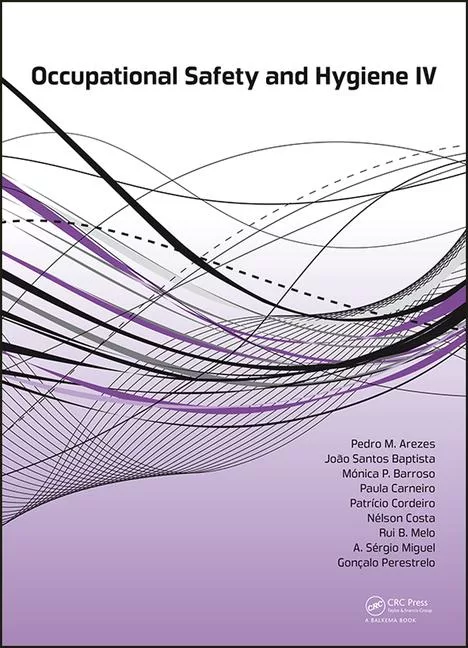
  • 9781138029422.jpg

    Occupational Safety and Hygiene IV

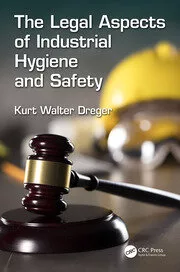
  • 9781498773416.jpg

    The Legal Aspects of Industrial Hygiene and Safety

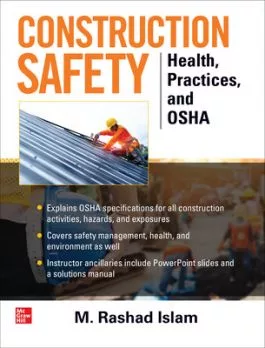
  • 9781264257829_24.jpeg

    Construction Safety: Health, Practices and OSHA

See More Products

Related Directories

  • Safe Site Check In LLC

    Make Jobsite Management Easy(™). Safe Site Check In saves jobsite safety, super, project, and cost managers hours a day including: Digital badging, onboarding & training, Safety screening, Daily log creation Safety JSA, EAP, SDS Project management integration, Subcontractor management, Remote site monitoring, Worker profiles, Incident investigations.
×

Become a Leader in Safety Culture

Build your knowledge with ISHN, covering key safety, health and industrial hygiene news, products, and trends.

JOIN TODAY
  • RESOURCES
    • Advertise
    • Contact Us
    • Directories
    • Manufacturing Division
    • Store
    • Want More
  • SIGN UP TODAY
    • Create Account
    • eMagazine
    • Newsletters
    • Customer Service
    • Manage Preferences
  • SERVICES
    • Marketing Services
    • Reprints
    • Market Research
    • List Rental
    • Survey/Respondent Access
  • STAY CONNECTED
    • LinkedIn
    • Facebook
    • YouTube
    • X (Twitter)
  • PRIVACY
    • PRIVACY POLICY
    • TERMS & CONDITIONS
    • DO NOT SELL MY PERSONAL INFORMATION
    • PRIVACY REQUEST
    • ACCESSIBILITY

Copyright ©2026. All Rights Reserved BNP Media, Inc. and BNP Media II, LLC.

Design, CMS, Hosting & Web Development :: ePublishing