Here’s how public policy could change an unhealthy habit
"These sweetened drinks pose real – and preventable - risks to our children’s health"
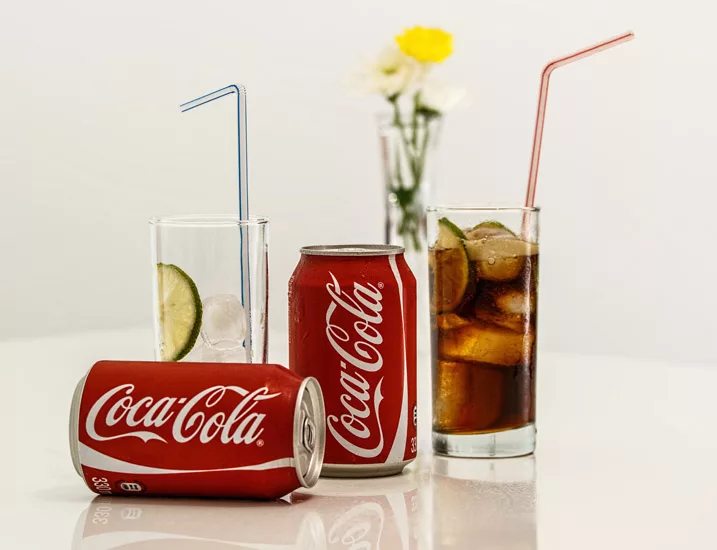
The American Academy of Pediatrics (AAP) and the American Heart Association (AHA) have put together a list of public health measures they say will reduce kids’ consumption of sugary drinks – a habit strongly linked to obesity, diabetes, heart disease and tooth decay.
The recommendations in a joint policy statement issued by the two organizations, “Public Policies to Reduce Sugary Drink Consumption in Children and Adolescents,” include excise taxes, limits on marketing to children, and financial incentives for purchasing healthier beverages. The statement will be published in the April 2019 issue of Pediatrics.
Kids taking in an enormous amount of added sugars
Children and teens consume gallons of sugary drinks every year, including sports drinks, fruit-flavored drinks and sodas. The 2015-2020 Dietary Guidelines for Americans recommend that children and teens consume fewer than 10 percent of calories from added sugars. But data show that children and teens now consume 17 percent of their calories from added sugars—nearly half of which comes from drinks alone.
“For children, the biggest source of added sugars often is not what they eat, it’s what they drink,” said pediatrician Natalie D. Muth, MD, MPH, RDN, FAAP, lead author of the policy statement. “On average, children are consuming over 30 gallons of sugary drinks every year. This is enough to fill a bathtub, and it doesn’t even include added sugars from food. As a pediatrician, I am concerned that these sweetened drinks pose real – and preventable - risks to our children’s health. We need broad public policy solutions to reduce children’s access to cheap sugary drinks.”
The AAP and AHA recommend:
- Local, state and national policymakers should consider raising the price of sugary drinks, such as via an excise tax, along with an accompanying educational campaign. Tax revenues should go in part toward reducing health and socioeconomic disparities.
- Federal and state governments should support efforts to decrease sugary drink marketing to children and teens.
- Healthy drinks such as water and milk should be the default beverages on children’s menus and in vending machines, and federal nutrition assistance programs should ensure access to healthy food and beverages and discourage consumption of sugary drinks.
- Children, adolescents, and their families should have ready access to credible nutrition information, including on nutrition labels, restaurant menus, and advertisements.
- Hospitals should serve as a model and establish policies to limit or discourage purchase of sugary drinks.
Teens who drink more than 10 percent of their daily calories from added sugars are more likely to have abnormal cholesterol levels, including higher “bad” LDL cholesterol, higher triglycerides, and lower heart-protective HDL cholesterol, Dr. Muth said.
Beverage companies spend millions in marketing to adults and children – $866 million in 2013 – with most teens seeing at least one ad for a sugary drink every day, according to the Rudd Center for Food Policy and Obesity. Children from minority and low-income communities are disproportionately harmed by low-cost, easy access to sugary beverages.
The AAP and AHA call for a series of policies to reduce children’s consumption of sugary drinks—including price increases—taking note of the lessons learned from decades of work on tobacco control efforts. The policy statement is the first time AAP has recommended taxes on sugary drinks.
“As a nation we have to say ‘no’ to the onslaught of marketing of sugary drinks to our children,” said Rachel K. Johnson, PhD, RD, professor emeritus of nutrition at University of Vermont and former chair of the American Heart Association’s nutrition committee. “We know what works to protect kids’ health and it’s time we put effective policies in place that bring down rates of sugary drink consumption just like we’ve done with tobacco.”
Excise taxes on sugary drinks have successfully reduced consumption in cities including Berkeley, Calif., and Philadelphia, Penn. Cities have reinvested the revenue generated by these taxes into community programs, such as:
San Francisco: Revenue from the 1 cent-per-ounce tax funds grants for preventive health services in low-income communities, and programs to improve school nutrition and oral health.
Seattle, Wash.: Revenue from the 1.75 cent-per-ounce tax funds programs that help low-income people buy healthy food, and subsidies to schools and child care centers to increase servings of fruits and vegetables.
Other cities that have passed such taxes, including Albany and Oakland, California, as well as Boulder, Colorado are also funding public health prevention programs.
“Communities have started tackling this problem with creative solutions, showing that we can work together to make healthy options more available and less expensive to buy,” Dr. Muth said. “Every child deserves to grow up to be healthy. That means we need to do more to promote healthy beverage options – like water and milk. If we can do this together, we’ll improve the long-term health of our nation’s children.”
Looking for a reprint of this article?
From high-res PDFs to custom plaques, order your copy today!