Report: Dangerous jobs, opioid overdose deaths linked in Mass.
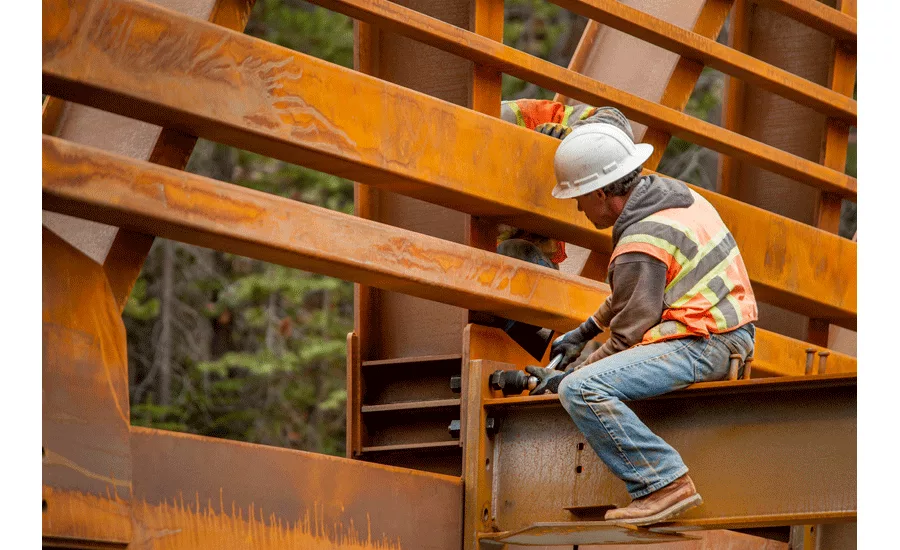
A report by the Massachusetts Department of Public Health (DPH) shows a strong correlation between hazardous jobs and opiate addiction and overdoses in that state.
The 21-page study titled Opioid-related Overdose Deaths in Massachusetts by Industry and Occupation, 2011-2015 found that there were a total of 5,580 opioid-related overdose deaths in Massachusetts from 2011 through 2015. Of the 4,284 worker death certificates deemed comprehensive enough to study, 1,096 were found to be employed in construction/extraction. The opioid-related death rate for these workers was six times the average rate for all Massachusetts workers with 150.6 deaths per 100,000 workers as compared to the 25.1 average. Workers in the farming, fishing and forestry occupation were also very hard hit. With 61 deaths in that industry during the study period (67.2% of these deaths occurred among workers employed in fishing occupations), the rate was five times higher than average.
Construction, extraction workers that suffered heavy losses include:
- Construction laborers, with 374 deaths, 34.2% of all construction worker deaths;
- Carpenters, with 201 deaths, 18.4% of all construction worker deaths;
- Painters, construction and maintenance, with 92 deaths, 8.4% of all construction worker deaths;
- Pipe layers, plumbers, pipefitters, and steamfitters, with 66 deaths, 6.0% of all construction worker deaths; and
- Roofers with 64 deaths, 5.9% of all construction worker deaths.
The study calls for educational and policy interventions targeting at-risk workers as a means to prevent opioid-related overdose deaths. DPH states these interventions should immediately address workplace hazards that cause injuries for which opioids are prescribed in order to save lives.
“This sobering report confirms that hazardous jobs are not just dangerous because of the risk of fatal injury, but because they can also directly lead to tragic opioid addiction that can shatter families and end lives,” said Jodi Sugerman-Brozan, Executive Director for the Massachusetts Coalition for Occupational Safety and Health (MassCOSH). “It also makes clear that if those working to end the opioid epidemic in our state are not looking at investing in policies and efforts that reduce work-related injuries, they are missing a key strategy.”
Pay level, job insecurity are factors
Low wage earners were particularly hard hit by opioid-related overdose death. High rates of overdose death were observed among workers in the $10,000- $19,999, and $20,000- $29,999 income range. Death rates were also examined in relation job insecurity and availability of paid sick leave. A significantly higher death rate was observed among workers in occupation groups with high job insecurity compared with workers in occupation groups with low job insecurity.
Injured workers who can't take time off up their pain meds
The report also goes into great detail linking jobs with a high prevalence of musculoskeletal pain, such as lower back pain, with the need to work while in pain, contributing to the use and potential overdoes of opioids. The study cites a Massachusetts study by the Journal of Occupational and Environmental Medicine/American College of Occupational and Environmental Medicine of construction workers on a large commercial construction site. 74% of the workers reported having some kind of musculoskeletal pain in the last three months and about 40% reported having one or more injuries in the last month. Advocates state these workers are unable to take time off to heal and work though their pain, exacerbating their injuries and increasing their medication intake, leading to addiction.
“This is a very important report,” said Les Boden, professor at the Boston University School of Public Health and member of the MassCOSH Health Tech Committee. “It shows that industries and occupations with high injury rates also have high rates of opioid-related deaths. This strongly suggests that workers suffering from injury-related pain have often been prescribed opioids to control their pain. This can begin a chain of events leading to addiction and death. The best way to address these problems is to prevent these injuries in the first place.”
DPH states that although the opioid epidemic is multifaceted and additional research is necessary, given the strong evidence that dangerous jobs are linked to opioid-related death, they recommend immediate action be taken to prevent workplace injuries.
MassCOSH said the report shows the importance of fully funding OSHA and the Massachusetts Occupational Health Surveillance Program and the need to reinstate the Workplace Injury and Illness recordkeeping rule that required employers to keep five years of workplace injury records.
Click here to access the study.
About MassCOSH
MassCOSH is a nonprofit coalition, bringing together workers, unions, community groups, and health, safety and environmental activists to organize and advocate for safe, secure jobs and healthy communities throughout eastern and central Massachusetts. Through training, technical assistance and building community/labor alliances, MassCOSH mobilizes its members and develops leaders in the movement to end unsafe work conditions. For more information, contact 617-642-1878 or visit www.masscosh.org.
Looking for a reprint of this article?
From high-res PDFs to custom plaques, order your copy today!