ISHN logo
search
cart
facebook twitter linkedin youtube
  • Sign In
  • Create Account
  • Sign Out
  • My Account
ISHN logo
  • NEWS
    • Today's News
    • Global Safety News
    • Government Regulations
  • PRODUCTS
    • Product Innovations
    • Featured Products
  • TOPICS
    • Environmental Health and Safety
    • Facility Safety
    • Workplace Health
    • Occupational Safety
    • PPE
    • More Topics
  • CONSTRUCTION
  • TECHNOLOGY
  • COLUMNS
    • Best Practices
    • Dave Johnson: What’s going on
    • Editorial Comments
    • Leading Safety
  • MULTIMEDIA
    • ISHN Podcast
    • Videos
    • Cold Stress Education Quiz
    • Webinars
    • White Papers
  • MORE
    • Buyer's Guide
    • Newsletters
    • Convention Companion
    • Polls
    • Events
    • ISHN Store
    • Sponsor Insights
  • EMAGAZINE
    • eMagazine
    • Archived Issues
    • Contact
    • Advertise
  • JOIN TODAY!
Today's Safety NewsOccupational SafetyEnvironmental Health and SafetyColumnsSafety Industry White PapersEditorial Comments: Safety & Health | ISHNOSHA Workplace HealthWorkplace Training Strategies

A high-fiber diet may counteract the harmful health effects of pollutants

produce
February 14, 2020

Research from the University of Kentucky’s Superfund Research Center (UK-SRC) shows that a diet high in fiber could possibly reverse the adverse effects that environmental toxins have on cardiovascular health.

The findings are part of UK-SRC’s “Project #1,” which examines how nutrients affect toxicity caused by polychlorinated biphenyls (PCBs) in vascular tissues.

PCBs are man-made chemicals that were used in industrial and commercial applications and have been linked to a number of adverse health effects in humans and animals. Although they were banned more than 40 years ago, PCBs can still be released into the environment from poorly maintained hazardous waste sites.

Prior UK-SRC research in the lab of Bernhard Hennig, a professor in UK’s Department of Animal & Food Sciences, found a connection between PCBs and cardiovascular disease. Pan Deng, a postdoctoral researcher working in Hennig’s lab, is continuing this research with a study that found that nutrients including fiber reduced PCB toxicity in multiple organ systems, including gut microbiota, liver and vasculature.

“Using animal models, we found that eating a high-fiber diet can prevent pollutant-induced cardiovascular disease,” said Deng. “This finding may lead to nutritional and therapeutic interventions in people who are exposed to PCBs.”

Deng’s field of research is called metabolomics, and it examines how metabolites within a cell, tissue or biofluid of an organism respond to external stressors – in this case the toxic exposure from PCBs. Deng checks levels of nutrients and pollutants in the cells through liquid and gas chromatography testing. The process is called metabolic profiling.

“Metabolic profiling gave us the power to discover how environmental pollutants contribute to human disease. The very important thing is that this technology can be applied to biological samples obtained from humans,” said Deng.

The findings may be beneficial to those impacted by or residing near toxic Superfund chemicals, which include PCBs.

The Environmental Protection Agency (EPA) has designated thousands of contaminated sites in the U.S. as “Superfund” sites. They include manufacturing facilities, processing plants, landfills and mining sites where hazardous waste has been improperly managed.

Kentucky is home to 20 (13 active) EPA National Priorities List Superfund hazardous waste sites. The UK-SRC is an interdisciplinary program including researchers from several UK colleges that strives to reduce the negative health and environmental impacts of chlorinated organic compounds found at these sites across Kentucky and the U.S.

The UK-SRC is funded by the National Institutes of Health/National Institute of Environmental Health Science (NIEHS) and is one of NIEHS’s nationwide family of Superfund Research Programs. Specifically, UK-SRC biomedical research examines potential roles for nutritional components and lifestyle choices to minimize negative human health impacts related to chemical exposures.

Source: University of Kentucky

Share This Story

Looking for a reprint of this article?
From high-res PDFs to custom plaques, order your copy today!

Recommended Content

JOIN TODAY
to unlock your recommendations.

Already have an account? Sign In

  • forklift safety

    Exploring the latest technologies in forklift safety

    With more staff and more stock in warehousing now more...
    Facility Safety
    By: Josh Cramer
  • welding

    All about welder’s flash or arc eye

    A flash burn is a painful inflammation of the cornea,...
    Environmental Health and Safety
  • dangerous jobs

    The 10 most dangerous jobs in the U.S.

    On-the-job deaths have been rising — hitting the highest...
    Construction Industry Safety and Health
    By: Benita Mehta
Manage My Account
  • eMagazine Subscriptions
  • ISHN Newsletter & Other Newsletter Alerts
  • Online Registration
  • Manage My Preferences
  • Subscription Customer Service

More Videos

Sponsored Content

Sponsored Content is a special paid section where industry companies provide high quality, objective, non-commercial content around topics of interest to the ISHN audience. All Sponsored Content is supplied by the advertising company and any opinions expressed in this article are those of the author and not necessarily reflect the views of ISHN or its parent company, BNP Media. Interested in participating in our Sponsored Content section? Contact your local rep!

close
  • man wearing the the Sundström SR200 Full Face Mask Respirator
    Sponsored byOHD

    5 Fit Testing Mistakes That Could Cost You

  • This image shows Magid AcuSpex polarized blue mirrored safety glasses.
    Sponsored byMagid Glove and Safety

    Construction PPE Guide: What Crews Need for Each Task

  • lone worker in confined space
    Sponsored byAlphasense Ltd.

    GET THE LEAD OUT of your Safety Oxygen Sensors!

Popular Stories

SpaceX 7 launch

OSHA Investigating Fatal Fall at SpaceX Starbase

Worker Impairment

How to Tell When a Co-Worker is Impaired? A Safety Pro’s Challenge

Automated loading dock equipment

After March 2026 Rivian Death, Safety Managers Reassess Loading Dock Systems Under OSHA's Warehouse Emphasis Program

top 10 most dangerous jobs

Poll

Seasonal Readiness

With the federal heat stress prevention rule on the horizon, which area of your safety program needs the most attention?
View Results Poll Archive

Products

Surviving an OSHA Audit A Management Guide, 2nd Edition

Surviving an OSHA Audit A Management Guide, 2nd Edition

See More Products

ISHN Podcasts

Related Articles

  • What are the health effects of hand-arm vibration?

    See More
  • smoking

    Tobacco ads to reveal the health effects of smoking

    See More
  • Report examines health effects of cold weather (1/7)

    See More

Related Products

See More Products
  • 9781138749573.jpg

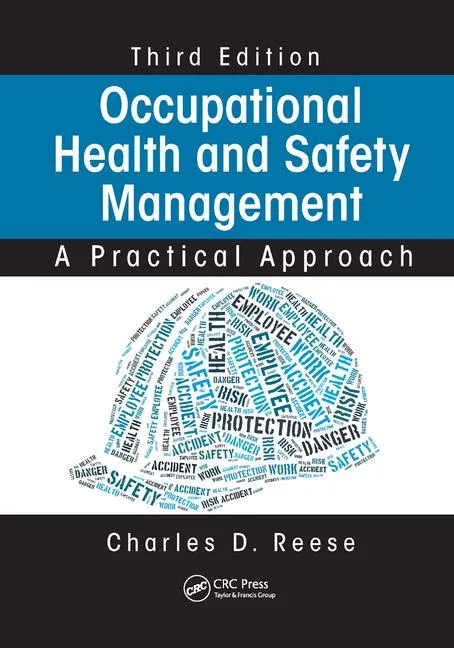
    Occupational Health and Safety Management: A Practical Approach, Third Edition

See More Products

Events

View AllSubmit An Event
  • May 28, 2026

    The Mental Health Crisis in Construction

    ON DEMAND: Each year, about 1,000 construction workers die from on-the-job incidents – but more than 5,000 die from suicide and 11,000 from overdoses.
View AllSubmit An Event

Related Directories

  • MSA - The Safety Co.

    WE KNOW WHAT'S AT STAKE. Unpredictable work environments are often part of the job. That's why it's critically important to have the right safety equipment at the moment it matters most. MSA's complete lines of safety solutions help protect those workers at the heart of your operation.
×

Become a Leader in Safety Culture

Build your knowledge with ISHN, covering key safety, health and industrial hygiene news, products, and trends.

JOIN TODAY
  • RESOURCES
    • Advertise
    • Contact Us
    • Directories
    • Manufacturing Division
    • Store
    • Want More
  • SIGN UP TODAY
    • Create Account
    • eMagazine
    • Newsletters
    • Customer Service
    • Manage Preferences
  • SERVICES
    • Marketing Services
    • Reprints
    • Market Research
    • List Rental
    • Survey/Respondent Access
  • STAY CONNECTED
    • LinkedIn
    • Facebook
    • YouTube
    • X (Twitter)
  • PRIVACY
    • PRIVACY POLICY
    • TERMS & CONDITIONS
    • DO NOT SELL MY PERSONAL INFORMATION
    • PRIVACY REQUEST
    • ACCESSIBILITY

Copyright ©2026. All Rights Reserved BNP Media, Inc. and BNP Media II, LLC.

Design, CMS, Hosting & Web Development :: ePublishing