8 signs your construction company needs to improve its safety culture
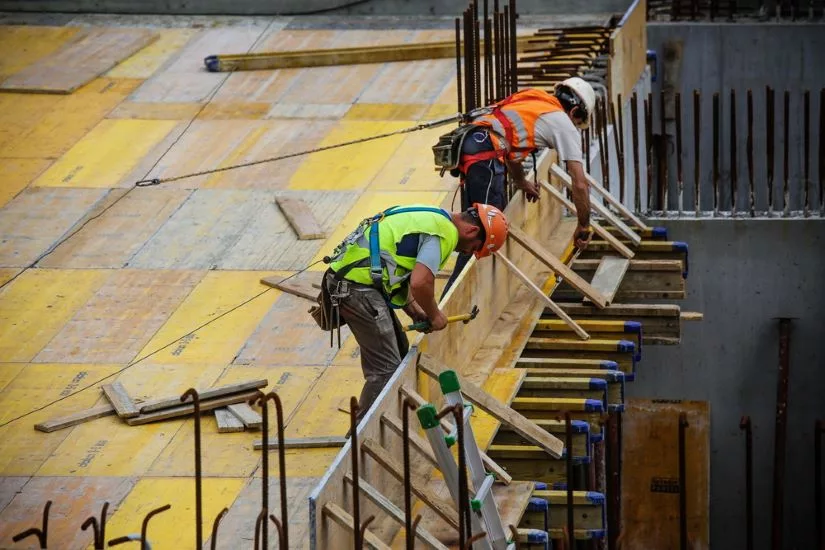
As construction professionals, it feels like we’re always thinking about safety — and yet, our industry is still one of the most high-risk. According to the Occupational Safety and Health Administration (OSHA), one in five worker deaths occurs in construction, accounting for nearly a quarter of all worker fatalities in the United States.The administration reports that over half of all these fatalities are caused by the “fatal four” incidents — falls, struck by objects, electrocutions, and caught-in/between hazards.
However, investing in the right safety procedures, training, workwear, and supplies can drastically reduce the likelihood of a severe accident or fatality happening on your job site. Preventing injuries is key to solidifying an influential safety culture, keeping your workers safe, and safeguarding your company at the same time. Here are signs your construction company needs to rethink its safety culture:
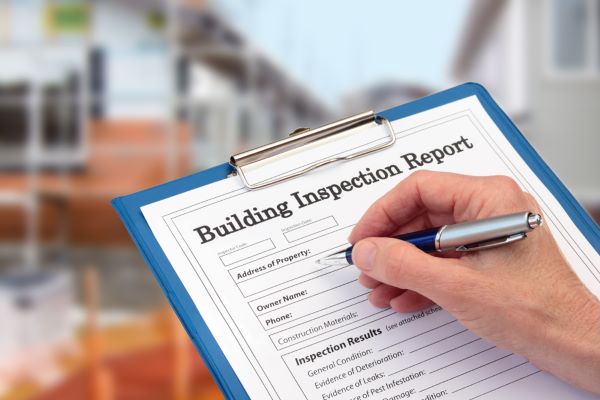
- You’re Not Inspecting Job Sites Daily – Doing multiple thorough inspections of your site daily is crucial to ensuring that your workers and clients are not put at risk. Since they’re usually required under the contract with your client, inspections are important to help you keep your business strong. Some critical safety inspection tasks to complete daily include:
- Hazard identification to ensure that your workers are not exposed to any apparent hazards, including chemicals and struck-by hazards
- Equipment inspection to ensure that all tools and excavation equipment work well, are correctly positioned and are run by competent employees
- Process inspection to ensure that the materials and equipment used are appropriate for the scope and plan on the project
- Standards inspection to ensure that all installations are installed according to specific standards and local building codes
- Thorough cleaning and disinfecting among shared equipment
- Detailed reporting of all inspections throughout the day
- Employees Are Getting Sick and Hurt – Simply taking a look at the safety data from the last several months can tell you whether or not you need to make a drastic change in terms of safety protocols. Not even a single serious accident is acceptable, so your data should provide some insight into where and what you need to change. If employees are regularly getting hurt, rethink hazards, equipment, and processes. If they’re routinely facing illnesses, consider rethinking your paid sick leave policies and working on improving cleanliness.
- Employees Aren’t Wearing the Right Gear – There is no scenario where your workers should be forced to go into a dangerous situation without the right gear. Always outfit your team with work safety gear selected for the specific jobs at hand, following all guidelines by OSHA and your state and local codes. We always recommend choosing ANSI/ISEA high visibility gear and providing workers with new, properly fitting personal protective equipment (PPE) for the face, eyes, and ears.
- You Don’t Have the Proper Emergency Supplies – Even though we have some of the most durable, protective safety apparel out of almost any industry, construction site injuries and emergencies do happen. You always want to be prepared to address any injury on the job, whether it is something as small as a splinter or callous or something as serious as a life-threatening collision. Always follow OSHA’s guidelines for first aid, making sure you always have a first aid kit, fire extinguishers, and staff members trained in CPR and first aid.
- Employees Are Afraid to Report Risks – This is undoubtedly one of the biggest issues when it comes to construction safety. Having a poor safety culture is one where workers might feel shamed or disparaged for bringing up potential risks. And yet, it’s the workers themselves—those who spend a ton of time on the job site—who are the best-equipped to point out and discover job site risks. Creating a secure, anonymous system of reporting can help curb this issue.
- You’re Not Providing Site-Specific Training – Among the more preventable injuries and incidents that compromise job site safety are the ones that occur because crew members—including supervisors, workers, and contractors—don’t know the site. The construction company's role is to do a thorough hazard and site analysis before breaking ground. Developing some site-specific training and protocols can help prevent slips, falls, and struck-by hazards each day.
- You’re Not Performing Near-Miss and Incident Investigations – A “near-miss” occurs when an event doesn’t cause harm but has real potential to lead to injury or accidents in the future. By paying attention to what could have happened, you’re able to safeguard against very serious incidents in the future. In work environments where safety culture isn’t cultivated, near-misses and incidents go unreported and workers may even be discouraged from reporting them. This mindset can be extremely dangerous for your team.
- You’re Not Conducting Toolbox Talks – Toolbox talks are group discussions that informally cover specific safety issues. It sounds like a simple enough thing to implement, and it’s actually way more effective than you might imagine. In fact, construction professionals report that toolbox talks are the number one most effective way to communicate safety messages. They are even considered more effective than training sessions. These talks allow leaders to address important safety protocols while also opening up the floor to worker concerns.
Keep an Open Dialogue
Often, the signs of an impending accident are clear among workers. Owners and safety managers need to talk to their team and keep an open dialogue to share vital information. Poor safety culture and improper procedures can leave your team members in danger and your company at risk of liability.
Looking for a reprint of this article?
From high-res PDFs to custom plaques, order your copy today!