ISHN logo
search
cart
facebook twitter linkedin youtube
  • Sign In
  • Create Account
  • Sign Out
  • My Account
ISHN logo
  • NEWS
    • Today's News
    • Global Safety News
    • Government Regulations
  • PRODUCTS
    • Product Innovations
    • Featured Products
  • TOPICS
    • Environmental Health and Safety
    • Facility Safety
    • Workplace Health
    • Occupational Safety
    • PPE
    • More Topics
  • CONSTRUCTION
  • TECHNOLOGY
  • COLUMNS
    • Best Practices
    • Dave Johnson: What’s going on
    • Editorial Comments
    • Leading Safety
  • MULTIMEDIA
    • ISHN Podcast
    • Videos
    • Cold Stress Education Quiz
    • Webinars
    • White Papers
  • MORE
    • Buyer's Guide
    • Newsletters
    • Convention Companion
    • Polls
    • Events
    • ISHN Store
    • Sponsor Insights
  • EMAGAZINE
    • eMagazine
    • Archived Issues
    • Contact
    • Advertise
  • JOIN TODAY!
Occupational SafetySafety TechnologyConstruction Industry Safety and HealthOil and Gas Industry Safety & Health

5 fundamentals of protecting lone workers in the oil and gas industry
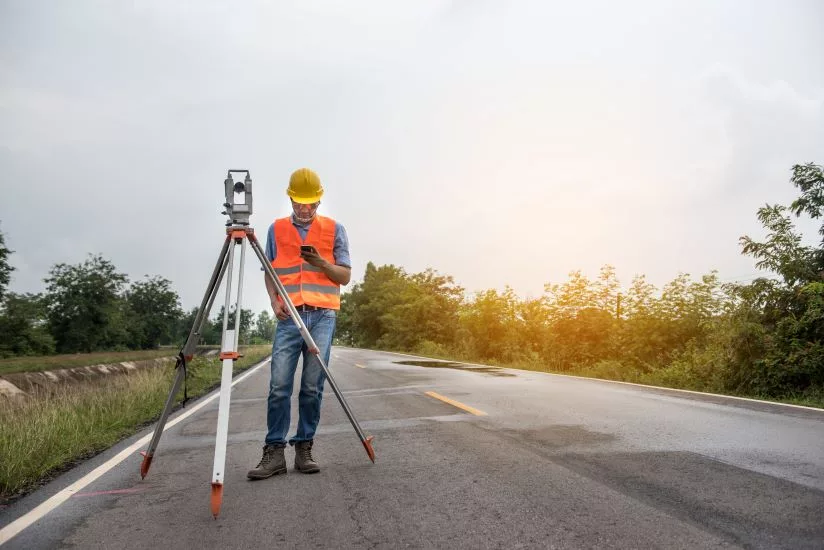
lone worker
November 25, 2020

Depending on the parts of the oil and gas industry your company operates in, you’ll be well aware of the ever-changing hazards that your workers face.

Although there are many trends that impact health and safety efforts, from an aging workforce and generational divide to a greater reliance on the "gig economy" moving forward, there are also steps that all businesses can take to bring greater protection to their strategy right now and to enlist new tools dedicated to looking after their lone workers specifically.

Here we cover the five fundamental steps organizations can take towards achieving a greater health and safety strategy for their employees.


1.Identify your lone workers

The first and perhaps most important thing you need to do when in the planning stages is to identify who your lone workers actually are.

According to the HSE, lone workers are “those who work by themselves without close or direct supervision”, so these employees could just as easily be workers who do not operate within sight of anyone else as much as those who operate out on the roads.

Nailing down this information from the start means you can effectively identify and mitigate the risks they might face.


2.Plan to mitigate basic risks

No matter the industry, some of the health and safety basics remain the same. Employers are legally required to identify and mitigate hazards in the workplace as much as possible. Some of the most common causes of accidents at work include:

  • Slips, trips and falls on the same level (29%)
  • Handling, lifting or carrying (20%)
  • Being struck by a moving object (10%)
  • Violence (8%)
  • Falls from height (8%)

In order to identify the risks that your workers may face, a thorough risk assessment must be performed. This can be completed through a mixture of speaking with employees, observing day-to-day operations and analysing which environmental and social hazards may be relevant to your workforce.


3.Offer the correct PPE

Some PPE can be obvious, including protective headgear and gloves that protect vulnerable areas of the body while working.

But if employees regularly find themselves working in environments that contain dangerous substances or are potentially explosive, then it absolutely essential that they are also given the correct equipment and PPE for these situations. Without it, the consequences could be catastrophic.

This equipment can include everything from anti-static clothing and shoes, to electronics and devices that will not cause a spark when knocked or dropped.


4.Protect workers on the road

A huge part of work in the oil and gas industry involves workers spending long stretches of time out on the road. This can cause a number of problems for worker wellbeing, including risks brought on by fatigued drivers, loss of communication with supervisors and head office, or unexpected illness, vehicle breakdowns and accidents at locations where assistance is not immediately available.

Where possible, employees asked to travel long distances should be accompanied and appropriate shift patterns decided.

When this is not possible, organizations should equip those working alone with lone worker alarms that ensure the user can raise an alert or get in touch with relevant people should an incident occur. These devices will also allow organizations to track the driver’s whereabouts while they are on the road.


5.Incorporate digital solutions

One of the biggest issues identified in ISHN’s report on health and safety trends in 2020 was the need for greater automation.

By enlisting technology such as mobile workforce management software and the aforementioned lone worker alarms, companies can have greater control over how they keep track of their remote workforce.

Lone workers, especially, benefit for the digital transformation of health and safety, as systems that can be used anywhere remotely allow them to feel safe even when they are not physically close to their teammates or supervisor.

As the industry continues to shift and change, it’s never been more important for health and safety leaders to not only ensure that the basic needs of their lone workers are met but to also look outside of the norm for new and innovative solutions.

KEYWORDS: lone worker

Share This Story

Looking for a reprint of this article?
From high-res PDFs to custom plaques, order your copy today!

Recommended Content

JOIN TODAY
to unlock your recommendations.

Already have an account? Sign In

  • forklift safety

    Exploring the latest technologies in forklift safety

    With more staff and more stock in warehousing now more...
    Facility Safety
    By: Josh Cramer
  • welding

    All about welder’s flash or arc eye

    A flash burn is a painful inflammation of the cornea,...
    Environmental Health and Safety
  • dangerous jobs

    The 10 most dangerous jobs in the U.S.

    On-the-job deaths have been rising — hitting the highest...
    Government Safety Regulations
    By: Benita Mehta
Manage My Account
  • eMagazine Subscriptions
  • ISHN Newsletter & Other Newsletter Alerts
  • Online Registration
  • Manage My Preferences
  • Subscription Customer Service

More Videos

Sponsored Content

Sponsored Content is a special paid section where industry companies provide high quality, objective, non-commercial content around topics of interest to the ISHN audience. All Sponsored Content is supplied by the advertising company and any opinions expressed in this article are those of the author and not necessarily reflect the views of ISHN or its parent company, BNP Media. Interested in participating in our Sponsored Content section? Contact your local rep!

close
  • man wearing the the Sundström SR200 Full Face Mask Respirator
    Sponsored byOHD

    5 Fit Testing Mistakes That Could Cost You

  • This image shows Magid AcuSpex polarized blue mirrored safety glasses.
    Sponsored byMagid Glove and Safety

    Construction PPE Guide: What Crews Need for Each Task

  • lone worker in confined space
    Sponsored byAlphasense Ltd.

    GET THE LEAD OUT of your Safety Oxygen Sensors!

Popular Stories

SpaceX 7 launch

OSHA Investigating Fatal Fall at SpaceX Starbase

dust explosion

Tennessee OSHA Issues Record $3.1M Fine After Deadly Explosion at Munitions Plant

Worker Impairment

How to Tell When a Co-Worker is Impaired? A Safety Pro’s Challenge

top 10 most dangerous jobs

Poll

Seasonal Readiness

With the federal heat stress prevention rule on the horizon, which area of your safety program needs the most attention?
View Results Poll Archive

Products

Surviving an OSHA Audit A Management Guide, 2nd Edition

Surviving an OSHA Audit A Management Guide, 2nd Edition

See More Products

ISHN Podcasts

Related Articles

  • health and safety in oil and gas

    Safety first: Protecting workers in the oil and gas industry as fatalities and injuries are on the rise

    See More
  • oil worker

    The top 5 deadly gases in the oil and gas industry

    See More
  • oil worker

    The top 5 deadly gases in the oil and gas industry

    See More

Related Products

See More Products
  • fearless world.jpg

    The Fearless World of Professional Safety in the 21st Century

See More Products

Related Directories

  • SafetyLine Lone Worker

    SafetyLine Lone Worker helps companies monitor the status of workers who are remote, alone, or working in hazardous situations. We are an automated check-in monitoring and emergency notification service. SafetyLine uses its communications infrastructure to ensure that workers have comprehensive monitoring, 24/7, without the need for costly monitoring centers.
  • Grace Industries

    How Do You Protect Your Lone Workers? Working at Heights? Check out our new WorkForce product line - Fall Detection with Immediate Notification – Prevent Suspension Trauma. Fixed Facility – No Monthly Fees. Working in the field? Check out Grace Connected Safety – Cellular and Satellite Cloud Connect
×

Become a Leader in Safety Culture

Build your knowledge with ISHN, covering key safety, health and industrial hygiene news, products, and trends.

JOIN TODAY
  • RESOURCES
    • Advertise
    • Contact Us
    • Directories
    • Manufacturing Division
    • Store
    • Want More
  • SIGN UP TODAY
    • Create Account
    • eMagazine
    • Newsletters
    • Customer Service
    • Manage Preferences
  • SERVICES
    • Marketing Services
    • Reprints
    • Market Research
    • List Rental
    • Survey/Respondent Access
  • STAY CONNECTED
    • LinkedIn
    • Facebook
    • YouTube
    • X (Twitter)
  • PRIVACY
    • PRIVACY POLICY
    • TERMS & CONDITIONS
    • DO NOT SELL MY PERSONAL INFORMATION
    • PRIVACY REQUEST
    • ACCESSIBILITY

Copyright ©2026. All Rights Reserved BNP Media, Inc. and BNP Media II, LLC.

Design, CMS, Hosting & Web Development :: ePublishing