5 tips for choosing the right safety gloves for the job at hand
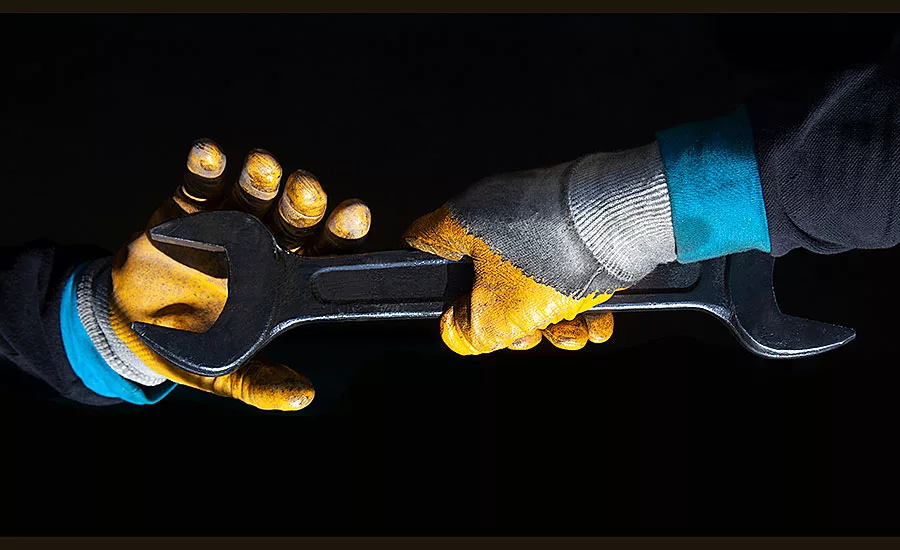
Workers use their hands constantly throughout the day. One mistake or hazard could lead to a lifetime of pain and a limited range of motion. Companies tend to lose more time and money on hand-related injuries than any other type of work hazard. Regardless of the job, professionals and managers need to protect their hands by choosing the right safety gloves.
With so many different varieties to choose from, many workers and crews remain in the dark when it comes to the latest hand protection requirements. Not all safety gloves are created equal. Use these tips to choose the right gear for the job at hand.
Know the risks
Every worksite is different, so managers and safety personnel should spend time analyzing the possible risks to their workers. The three main hazards every employer should be aware of include extreme temperatures, sharp objects such as broken glass, and exposure to hazardous chemicals that may be absorbed into the skin.
Employers should conduct a thorough safety evaluation of their worksite before investing in safety gloves for their workers. If the employer doesn’t know how to identify these risks, they should consult a safety expert for additional information.
When evaluating these potential risks, employers should install guards and other types of safety measures to limit the worker’s exposure to sharp or dangerous equipment.
Once the employer identifies the inherent risks, they should try to reduce the threat as much as possible by adjusting their operations, such as engineering, automation, or substitution. Safety gloves should only be used as a precaution or last resort in the workplace, not the wearer’s first line of defense against the risk.
Choosing the right material
Safety gloves are made with a wide range of materials for a wide variety of applications.
- Disposable gloves, such as those made with latex rubber or nitrile, are inexpensive and protect against incidental contact and the spread of infectious disease; however, they offer minimal protection against industrial chemicals, cuts, and abrasions.
- Gloves made with Viton, polyvinyl alcohol, and polyvinyl chloride offer excellent protection against a variety of industrial gases and hazards. However, they are not designed to protect against every kind of hazard and should only be used in certain situations.
- Cryogenic-resistant gloves are considered the gold standard when it comes to preventing frostbite and insulating team members from extreme temperatures, but they may not protect against industrial chemicals.
- Kevlar gloves are a good option to prevent cuts when handling sharp objects or tools with minimal protection against hazardous chemicals.
Workers should also have access to high-visibility gloves when working outdoors in the winter, at night, or in environments with poor visibility. Workers should always be able to see their hands when working in the field. Hi-vis gloves come with neon, highly reflective patches that increase visibility.
Depending on the job, employers should look for gloves that come with a strong, rigid grip pattern, so their workers can still use tools and grasp other objects without losing control, even when working in wet conditions.
Some gloves are made for use in particular industries, such as utility workers, maintenance crews, and landscaping professionals.
Managers and their workers may need to protect themselves against more than one type of hazard at the same time. Refer to the manufacturer’s guidelines to ensure the product can withstand multiple threats without putting workers at risk.
Choosing the right size
When protecting workers from sharp objects and industrial chemicals, it’s best to use form-fitting gloves that match the size and shape of the person’s hands. Managers should keep a range of different sizes and fits on-site to make sure team members can find what they need before starting their shift.
Some gloves may lose their shape over time. Every worker should have enough time to make sure their gloves fit properly. They may need to wear additional PPE in addition to the gloves so they limit the amount of exposed skin. The person’s gloves and sleeves should fit together securely, thus reducing the person’s chance of exposure.
Inspect before every shift
Workers and managers should get in the habit of inspecting their safety gloves before the start of every shift. A quick visual inspection will help team members identify potential problems. Everyone should be on the lookout for cuts, tears, and other openings in the gloves that could put workers at risk. Discoloration and stiffness can be warning signs, as well. It may mean the outer material is losing its ability to shield the wearer from hazardous chemicals and gases.
Ideally, the gloves should be completely airtight. Workers can try filling the glove with water or compressed air, tying off the wrist, and checking to make sure the glove doesn’t leak. If water or air comes out of the side, it’s time to invest in a new pair of safety gloves.
Proper storage and maintenance
Every pair of gloves should be stored according to the manufacturer’s guidelines. This usually means storing the gloves in a dry room-temperature location. Workers should put these gloves back in the preferred location at the end of their shift. This helps protect the gloves from everyday wear and tear to ensure a long working life.
Safety gloves come in so many different sizes and styles that managers need to do their research before outfitting their workers for the job at hand. A minor hand injury will delay productivity while incurring a range of additional expenses. It’s always best to work around or avoid the hazard in question. If that’s not possible, every worker should have access to high-quality safety gloves suited for every task. Use this information to keep your hands and those of your team safe in any situation.
Looking for a reprint of this article?
From high-res PDFs to custom plaques, order your copy today!