It’s essential to keep your gas detector clean to work properly
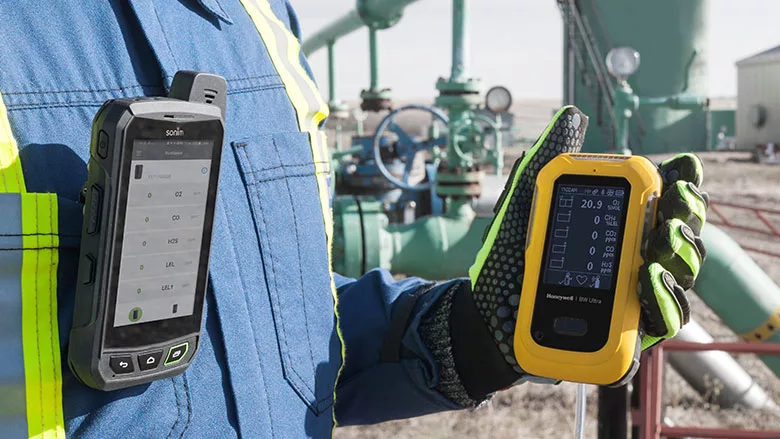
Photo credit: PK Safety
If you work in an industry like mining, manufacturing, refining, or petroleum extraction, where gas detectors are needed to detect combustible, flammable and toxic gases and oxygen depletion, it’s vital that these instruments’ sensors remain clean. This will ensure that they properly keep you and your workers safe. Here are some tips on how to check for dirty sensors and properly clean and disinfect your gas detector.
Keeping gas detector sensors clean
OSHA recommends wearing gas detectors in the breathing zone, which it defines as “a hemisphere forward of the shoulders within a radius of approximately six to nine inches.” Most gas detectors can give the most accurate reading possible when clipped by the wearer’s lapel or an area on the person’s chest, as long as it’s close enough to be exposed to the air they breathe in.
However, having it in this area can also mean the device can collect various forms of debris over time, including saliva, dirt, grime, dust, and bacteria. These particles can clog the sensors on the detector, which can lead to inaccurate readings and workers may potentially breathe in harmful gases without realizing it. Inspecting sensors often and making sure they are kept clean is crucial to worker safety.
When in doubt, it may be best to just replace a potentially contaminated sensor, so workers can go about their job without worrying about air quality or putting themselves at risk.
Tips for cleaning a gas detector
It is easier to keep a gas detector clean rather than to get it clean. So it’s a good idea to regularly clean your gas detector after each use rather than try to give it an occasional deep clean. However, for a completely clean gas detector, you will need to just replace the case altogether. Keeping the case free from debris is the goal of keeping gas detectors clean, but this can be tough for many industries.
There are several rules to keep in mind when cleaning a gas detector. Employees can either complete this process by themselves or drop off their equipment with a maintenance specialist that will clean their detectors before and after each shift.
Avoid alcohol and disinfectant wipes
Workers and crew members should never use disinfectant wipes and alcohol-based cleaners on gas detectors. It’s also best to avoid cleaners with chlorine or silicones, as these chemicals could permanently damage the equipment. The sensors on these devices are extremely sensitive to various chemicals, including alcohol. Exposure to these products could ruin the sensors on the device, which could lead to inaccurate gas readings.
These products could also cause the device to go into alarm mode. If the person tries to zero the device too soon, it may show readings that are lower than what is actually in the air. The damage may not be immediate or permanent. If workers use disinfectants to clean their monitors, it’s best to leave plenty of room to identify any issues.
In other cases, the physical components of your gas detector, including the rubber, plastic, and bearings (in the case of a motorized pump), may absorb the chemicals in the cleaning products. These may even be some of the substances the monitor is trying to detect. This can lead to inaccurate readings that can put workers at risk. It may be easier and safer to just replace these components instead of trying to clean them.
Use soap and water
Instead of reaching for a disinfectant wipe, workers should use a mixture of soap and water to clean their gas detectors.
It’s best to use a clean damp microfiber cloth with eight to ten parts water mixed with one part dish soap, such as Dawn. This cleans the monitors without damaging the underlying components or sensors. However, it’s important to remember that dish soap will only clean off everyday dust, dirt, and grime. It may not remove bacteria or viruses that could be living on the surface of the device.
For a more thorough clean, workers can also use a mixture of water and bleach. It’s best to use approximately 50 parts water to one part bleach. The CDC recommends using 5 tablespoons of bleach per gallon of water or 4 teaspoons of bleach per quart of water (approximately 20 milliliters per liter).
Managers and teams can use the same method to clean the docking station. The equipment should be fully dry before it’s used in the field. Always wash your hands after cleaning any of the instruments.
Service and maintenance
Workers and managers should also make sure their gas monitors and related parts are regularly and properly inspected and maintained. Gas monitors deteriorate over time, and the degrading sensitivity ranges based on sensor type and working conditions.
Workers should continue to perform maintenance according to the product manual and company policy. They should also remember that viral agents can get trapped and clog the instrument’s pumps or filters. Managers should include any accessories or auxiliary equipment in the inspection process since damage to these components can also affect the instrument’s performance.
It’s best to maintain a servicing schedule for all gas detection equipment. We recommend gas monitors be serviced and calibrated at least every six months to ensure they’re still reading and measuring gas concentrations accurately. Teams and workers should only use detectors that are in good condition and functioning properly.
Bump testing
Before using a gas detector, a bump test is recommended to verify that your instrument will detect the target gas in a work environment. If the first bump test fails, a full calibration is required. Bump testing helps improve sensor response and makes the detectors compliant, but it’s also helpful when your cleaning regimen changes. When bump testing, use a gas mixture that is intended to give a response — most manufacturers include tables with calibration gas mixtures that the sensors will respond to.
Managers should train their employees to properly conduct a bump test, especially if cleaning procedures have changed.
Regardless of the industry or task at hand, anyone working with gas detectors should know how to properly clean, maintain, and inspect them. These tips will protect workers from exposure to hazardous gases so they can do their jobs with more peace of mind.
Looking for a reprint of this article?
From high-res PDFs to custom plaques, order your copy today!