Preventing workplace violence
“Vast underreporting” is a major obstacle
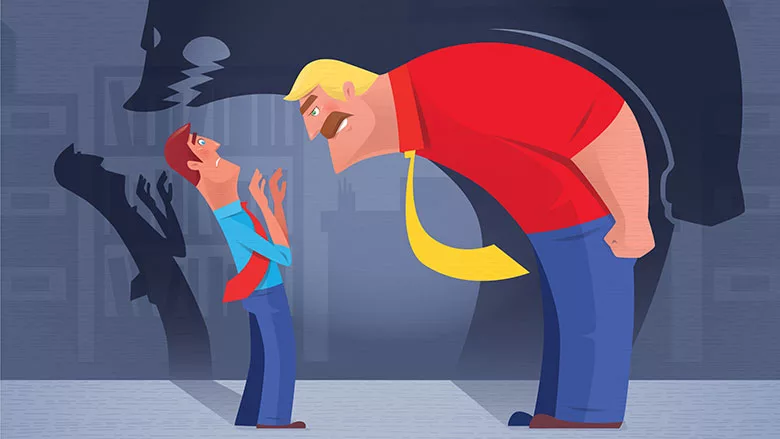
“Americans sure are angry these days,” states a 2021 article in Mother Jones magazine.
Another talks of the country’s “collective rage.”
Anger is on the rise across U.S. society. The Covid-19 pandemic is an obvious contributing factor. A 2020 global study found healthcare professionals were roughly 50 percent more likely than other community members to be harassed, bullied or hurt as a result of the pandemic.
But anger has been increasing in society for years. According to a pre-pandemic 2018 Gallup poll, 22 percent of Americans had felt anger the previous day. Every year, millions of American workers report having been victims of workplace violence, according to the National Safety Council. In 2020, assaults resulted in 20,050 injuries and 392 fatalities, according to Injury Facts®.
And workplace violence extends far beyond shootings and physical assaults -- pushing, shoving, choking, cutting, punching, etc. Manifestations include:
- Threats real or perceived
- Social media threatening posts
- Verbal abuse – offensive names, cursing, disrespect
- Bullying and intimidation
- Harassment
- Physical abuse aside from physical attacks - throwing urine, food and vomit at healthcare workers, for example
- Mental and emotional distress
- Property damage such as windows smashed or equipment destroyed
The Phylmar Academy® course, “Preventing Workplace Violence,” https://phylmar.learningcart.com/products/Workplace-Violence-Prevention.aspx describes strategies to protect employees on the job, with the emphasis on awareness and prevention.
Best practices often start by assessing workplace violence risk factors. Risk factors are many and include:
- Transactions with money
- Guarding money or valuable property or possessions
- Employees working alone or in isolated areas
- Employees working late at night or early morning
- Working with the public
- Worksites easily accessible to the public
- Worksites in high crime areas
The Phylmar Regulatory Roundtable™ (PRR) https://www.phylmar.com/regulatory-roundtable/ featured a November 2021 presentation by a retired Los Angeles Police Department Lieutenant, security expert and current corporate security manager. According to PRR Director Helen Cleary, workplace violence is an ongoing concern of members whose workers must engage with the public and confront challenges in the community. Critical infrastructure and telecommunication workers can be vulnerable in the field while fixing public utilities and performing service calls. Workers can experience aggressive street confrontations often due to drug addiction and mental illness, resulting in violent yelling and threatening physical approaches. Increased theft in parking lots and buildings and working near homeless encampments also creates safety and security concerns.
The PRR corporate security guest presenter emphasized the need for a zero-tolerance policy for workplace violence. Such policies. must be strictly enforced -- up to and including termination and restraining orders, he said.
His company’s policy states the organization will not tolerate:
- Any weapon on site or personnel
- Threats of actions creating real or potential hazards for employees and others
- Violent physical contact or actions
- Threatening communication to employees or their families
- Harassment, bullying, stalking, or any action causing real or perceived threat
- Psychological abuse or any act that provokes fear or diminishes a person’s dignity -- “just joking” and “I didn’t mean it” will not be an excuse.
Reporting is essential but often ignored
Workplace violence incident reporting systems are critical. All incidents and perceived threats must be investigated, with findings disseminated to the workforce. Too often this is not the case. In 2013, a Wayne State University School of Medicine survey found 45 percent of more than 2,000 healthcare professionals claimed to have reported an incident informally to a supervisor or manager. Yet only 12 percent of informally-reported incidents were documented in the hospital’s database system.
A 2015 OSHA report attributed the high level of underreporting to a variety of issues, including:
- The perception that violence is “part of the job”.
- The fear of retaliation (when reporting a co-worker).
- A lack of training in violence prevention.
- The lack of effective means of emergency communication.
- The lack of a reporting system – or lack of faith in the reporting system.
One reason for lack of faith: a San Francisco news station’s investigation found that Cal/OSHA took no action on 76 percent of violent workplace incidents reported to it because “there was no continuing threat.”
Cal/OSHA’s workplace violence training requirements per the state’s code of regulations are among the most protective in the country. To fully meet those requirements, California companies (and companies in general – there are no federal OSHA workplace violence standards) must provide company-specific or facility-specific information on:
- Corrective measures implemented
- How to seek assistance
- How to respond to violence
- How to report workplace violence incidents or concerns
Employees must be dissuaded through training from the myth that “it can’t happen here,” according to the Phylmar Academy® training course. In 2018, 56 deaths resulted from incidents where at least four people were killed, not including the shooter. In 2019, there were 51 such deaths. Injuries and fatalities are expected to rise as workplaces reopen and employees return to work as pandemic restrictions ease up.
Training often includes picking up on emotional micro shifts, changes in behavior, and pre-cursors of anger outbursts. The U.S Department of Labor (DOL) delineates workplace violence warning signs into three levels, with the caveat that “except when those involved in domestic violence are co-workers, most incidents are perpetrated by individuals outside company employment. The DOL’s three levels:
Level One (Early Warning Signs)
The person is:
- intimidating/bullying;
- discourteous/disrespectful;
- uncooperative; and/or
- verbally abusive.
Level Two (Escalation of the Situation)
The person:
- argues with customers, vendors, co-workers, and management;
- refuses to obey policies and procedures;
- sabotages equipment and steals property for revenge;
- verbalizes wishes to hurt co-workers and/or management;
- sends threatening note(s) to co-worker(s) and/or management; and/or
- sees self as victimized by management (me against them).
Level Three (Further Escalation – Usually Resulting in an Emergency Response)
The person displays intense anger resulting in:
- suicidal threats;
- physical fights;
- destruction of property;
- display of extreme rage; and/or
- utilization of weapons to harm others.
The DOL’s guidelines recommend responses for each level of escalation. Early warning signs that violence outside the workplace involving employees, such as domestic violence, is escalating include: 1) The victim may show symptoms such as increased fear, emotional episodes, and/or signs of physical injury; and 2) Victims, as well as perpetrators, also show signs of work performance deterioration. By intervening when the early warning signs occur, even though violence may not yet have been committed at work, a serious incident may be prevented, according to the DOL.
Long-term preventive measures
In addition to controls, training, risk assessments and incident reporting, a variety of longer-term preventive measures to reduce workplace violence are becoming more popular as mental health awareness grows and stigmas diminish. At-risk behaviors and attitudes receive more attention in companies that put an emphasis on Total Worker Health® and employee well-being initiatives and programs.
NOTE: This article originally appeared in the Phylmar Group® quarterly newsletter, second quarter, 2022. The Phylmar Group® is a Los Angeles-based consultancy providing EHS, product stewardship and sustainability consulting; EHS training courses through the Phylmar Academy; peer-to-peer networking forums through the Phylmar Regulatory Roundtable™; the BioPharna EHS Forum™; and the Apparel and Footwear International RSL Management (AFIRM) Group®. Visit www.phylmar.com
Looking for a reprint of this article?
From high-res PDFs to custom plaques, order your copy today!