Mitigating workplace hazards through interdepartmental communication

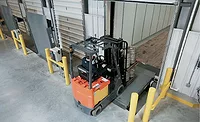
Source: Pixabay
According to a report from the U.S. Bureau of Labor Statistics, there were nearly 3 million employer-reported injuries in the workplace in 2021. Among the industries reporting the highest number of on-site injuries and illnesses, perhaps not surprisingly, were the manufacturing, warehousing, and energy sectors.
The good news, though, is that it is possible to significantly reduce the number of workplace accidents and work-related illnesses. The key, as will be explored in this article, is interdepartmental communication.
Why communication matters
It’s perhaps not shocking to describe communication as an essential factor in promoting workplace safety. What may come as a surprise, though, is how critical it is for departments to speak to one another in regard to health and safety within an organization.
The reality is that the lack of robust interdepartmental communication is ubiquitous and its effects can be devastating. The failure of departments and teams to communicate with one another can contribute to information silos that not only may compromise business performance but may jeopardize employees’ health and safety.
For this reason, it’s imperative to devise a comprehensive communications strategy that defines the information flow and establishes information-sharing expectations. This plan should encompass targeted strategies for identifying and disseminating safety-related information organization-wide and in a timely manner.
Leveraging technology for real-time information-sharing
When it comes to workplace safety and interdepartmental communication, traditional communication practices simply may not suffice. Sharing information through email, private messaging tools, or project status trackers such as Slack or Asana can be effective for information that isn’t time sensitive.
However, when it comes to job site hazards, it’s often not enough to rely simply on these standard business communications tools. You will need to supplement your communications infrastructure with tech that allows every department to reach workers on the factory floor, in the warehouse, on a job site, or wherever.
This might include, for example, communication devices equipped with hearing safety capabilities and a direct line to all departments within the organization. Such technology can prevent workers from becoming effectively marooned when they’re on a noisy worksite, cut off from access to real-time safety alerts from other departments.
Unleashing the power of the IIoT
One of the most exciting developments in the domain of workplace safety communications in manufacturing derives from a specialized segment of the vast Internet of Things (IoT). This important subsector of the IoT is known as the Industrial Internet of Things (IIoT) and it refers to a constellation of industrial technologies connected to and communicating with one another via the internet.
The IIoT makes it possible to monitor the performance of industrial machines in real time. This includes the ability of IIoT sensors to assess operating environments and conditions, and to send automated alerts to all stakeholders when potentially hazardous changes are detected.
This means, for example, that sensors can identify and alert workers to threats to the system, such as critically rising temperatures in heavy machinery that may result in fire or explosion. These IIoT technologies, in other words, make it possible for employees across all divisions to receive immediate safety alerts without the need for human intervention.
Making Interdepartmental Safety Communication a Reality
As suggested above, information silos are a real and present threat to organizational performance in general and to safety in particular. The antidote is robust and ongoing interdepartmental communication.
However, holistic communication doesn’t just happen. It can feel both natural and efficient for employees to communicate principally, if not only, with members of their team or department. When it comes to workplace health and safety, though, the fast and easy solution is rarely the best.
This is why optimizing safety communications between departments requires commitment, effort, and strategy. This should include, at the very least, robust and repeated training in safety communication practices. The training should educate all employees on the required protocols for reporting known or suspected hazards. This, of course, should be augmented by substantive training in identifying and triaging threats.
For instance, employees who work in an administrative department may not be familiar with chemical safety practices and may require specialized instruction in identifying the signs of a potential chemical spill. The communications protocol would, necessarily, require workers to leave the scene to avoid potentially being overcome by toxic fumes. Once done, the employee would be expected to send out an immediate alert following the designated reporting channels.
The Takeaway
Workplace safety is a significant concern in any industry but is especially critical in manufacturing, warehousing, and energy, where workplace injuries and illnesses are ubiquitous. However, such health and safety risks can be mitigated through strong interdepartmental communication, which itself depends on robust training and the appropriate technologies.
Tools such as IIoT devices and communications tech equipped with hearing protection as well as other safety systems can protect workers wherever they may be, from the factory floor to the warehouse and anywhere in between.
Looking for a reprint of this article?
From high-res PDFs to custom plaques, order your copy today!