ISHN logo
search
cart
facebook twitter linkedin youtube
  • Sign In
  • Create Account
  • Sign Out
  • My Account
ISHN logo
  • NEWS
    • Today's News
    • Global Safety News
    • Government Regulations
  • PRODUCTS
    • Product Innovations
    • Featured Products
  • TOPICS
    • Environmental Health and Safety
    • Facility Safety
    • Workplace Health
    • Occupational Safety
    • PPE
    • More Topics
  • CONSTRUCTION
  • TECHNOLOGY
  • COLUMNS
    • Best Practices
    • Dave Johnson: What’s going on
    • Editorial Comments
    • Leading Safety
  • MULTIMEDIA
    • ISHN Podcast
    • Videos
    • Cold Stress Education Quiz
    • Webinars
    • White Papers
  • MORE
    • Buyer's Guide
    • Newsletters
    • Convention Companion
    • Polls
    • Events
    • ISHN Store
    • Sponsor Insights
  • EMAGAZINE
    • eMagazine
    • Archived Issues
    • Contact
    • Advertise
  • JOIN TODAY!
Government Safety RegulationsIndustrial HygieneSustainability in Health and SafetyOil and Gas Industry Safety & Health

Don’t let safety slip through the cracks

Leak detection and repair crucial maintenance practices
By Benjamin Fuentes
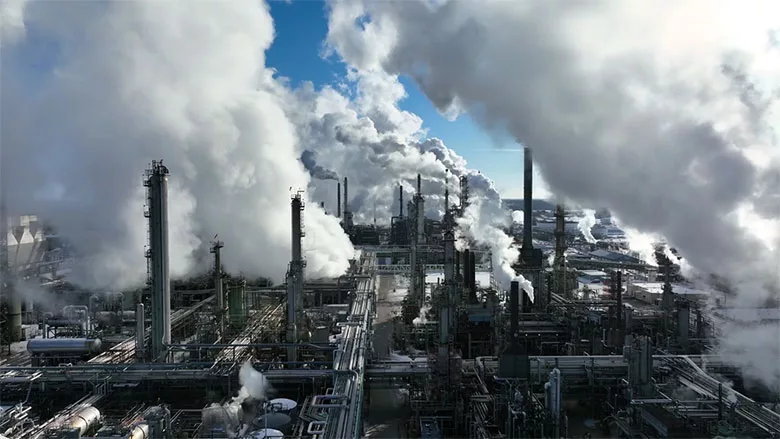
Leak detection and repair

Bilanol / iStock / Getty Images Plus

February 10, 2023

Accidental leaks in the oil and gas industry can cause untold damage to wildlife, local communities, and the environment. In 2005, for example, 15 Texas refinery workers were killed – and many more injured – when a vapor cloud of natural gas and petroleum violently exploded during the restarting of a hydrocarbon isomerization unit. Although this event gained significant media attention, leaks don’t need to be of a news-worthy scale to pose a risk to staff, the public or the environment. A large number of small, seemingly benign, leaks can very quickly add up to a sizable volume of hazardous emissions. 

Industrial regulation

Unintended leaks of gases and vapors from pressurized industrial equipment are known as “fugitive emissions,” and can be caused by wide range of factors, from simple gasket failures to expansion and contraction of components to improper maintenance practices. In the oil and gas sector, methane emissions from refineries are a particular concern, as they can not only damage the environment, but also threaten the safety of workers and the local community. 

Fortunately, the US government is acutely aware of this fact, and the industry is overseen by a host of regulatory bodies – such as the Environmental Protection Agency (EPA) and the Federal Energy Regulatory Commission – which are enforcing increasingly stringent fugitive emission guidelines. The EPA first introduced in its Clean Air Act in 1970 to protect the public and the environment from volatile organic compounds (VOCs) and, in 1983, it mandated compulsory leak detection and repair (LDAR) programs throughout the industry. These regulations have been continuously updated since, with the agency introducing the New Source Performance Standards, the National Emission Standards for Hazardous Air Pollutants, and the Resource Conservation and Recovery Act, all of which involve the application of LDAR to monitor and reduce hazardous gas emissions.

What are LDAR programs?

The EPA defines an LDAR program as a work practice designed to identify and overhaul leaking equipment in order to reduce fugitive emissions. Any component subject to LDAR requirements must be monitored at specified, regular intervals to determine whether it is leaking and, if faulty, must be repaired or replaced within a specified time frame. Facilities are required to develop rigorous monitoring programs and record the results, which are then audited by the EPA and local regulatory agencies. 

LDAR must firstly be implemented inside the refinery to protect staff from breathing in tissue-damaging VOCs, and to minimize the potential for deadly explosions. Secondly, fence-line monitoring solutions must installed at the site perimeter to determine the concentration of specific compounds in the ambient air, allowing the tracking of hazardous emissions heading towards neighboring communities. Finally, LDAR is mandatory across the roughly 250,000 thousand miles of oil and gas pipelines in the US, in order to safeguard the local environment and wildlife. There are also significant financial incentives for corporations implementing LDAR programs, since the plugging of leaks will not only minimize waste and boost profits, but result in fewer non-compliance fines.

How is LDAR carried out?

The industry standard practice for detecting fugitive methane emissions is to use flame ionization detectors (FID), which use the ions formed during the combustion of a sample gas stream to determine the concentration of organic species. The measurement process – as defined in the EPA’s Method 21 guidelines – requires the detector to be slowly moved around the periphery of the feature in question, such as the interface between two flanges, while observing the readout. 

If an emission is detected that breaches the specified leak definition value, then the results must be reported, and the component repaired or replaced. How the data is handled is entirely up to the company but, since a refinery can typically contain hundreds of thousands – if not millions – of potential leak sources, it can often be beneficial to use dedicated LDAR software packages to track and report the results. This treasure trove of data can also be used to predict potential leaks before they occur, and automatically schedule preventative maintenance activities.

With LDAR, everyone is a winner 

US clean air guidelines have become ever more stringent since they were first introduced half a century ago, and are constantly being updated to enforce the implementation of the latest and more sensitive emission detection technologies. As well as contributing to a healthier planet, regular leak detection and repair safeguards refinery workers by keeping tissue-damaging VOC emissions down to a minimum in enclosed areas. Once the cost savings for corporations are factored in, it becomes clear that everyone benefits from the implementation of emission reduction measures. Hopefully, as more refineries adopt state-of-the-art LDAR technologies and strict monitoring programs, catastrophic accidents such as the 2005 Texas explosion will soon become a thing of the past.


KEYWORDS: air quality gas detection gas leak vapors

Share This Story

Looking for a reprint of this article?
From high-res PDFs to custom plaques, order your copy today!

Benjamin Fuentes has been with Thermo Fisher Scientific for 14 of his 24 years in the oil and gas industry, working in various positions across manufacturing operations, marketing and account management. He has also been a participant in various API petroleum measurement committees, as well as an instructor and speaker at the ISHM and ASGMT measurement schools.

Recommended Content

JOIN TODAY
to unlock your recommendations.

Already have an account? Sign In

  • forklift safety

    Exploring the latest technologies in forklift safety

    With more staff and more stock in warehousing now more...
    Facility Safety
    By: Josh Cramer
  • welding

    All about welder’s flash or arc eye

    A flash burn is a painful inflammation of the cornea,...
    Environmental Health and Safety
  • dangerous jobs

    The 10 most dangerous jobs in the U.S.

    On-the-job deaths have been rising — hitting the highest...
    Government Safety Regulations
    By: Benita Mehta
Manage My Account
  • eMagazine Subscriptions
  • ISHN Newsletter & Other Newsletter Alerts
  • Online Registration
  • Manage My Preferences
  • Subscription Customer Service

More Videos

Sponsored Content

Sponsored Content is a special paid section where industry companies provide high quality, objective, non-commercial content around topics of interest to the ISHN audience. All Sponsored Content is supplied by the advertising company and any opinions expressed in this article are those of the author and not necessarily reflect the views of ISHN or its parent company, BNP Media. Interested in participating in our Sponsored Content section? Contact your local rep!

close
  • man wearing the the Sundström SR200 Full Face Mask Respirator
    Sponsored byOHD

    5 Fit Testing Mistakes That Could Cost You

  • This image shows Magid AcuSpex polarized blue mirrored safety glasses.
    Sponsored byMagid Glove and Safety

    Construction PPE Guide: What Crews Need for Each Task

  • lone worker in confined space
    Sponsored byAlphasense Ltd.

    GET THE LEAD OUT of your Safety Oxygen Sensors!

Popular Stories

SpaceX 7 launch

OSHA Investigating Fatal Fall at SpaceX Starbase

Automated loading dock equipment

After March 2026 Rivian Death, Safety Managers Reassess Loading Dock Systems Under OSHA's Warehouse Emphasis Program

psychology in the workplace

Most Workplaces Measure Psychological Safety, Ignoring Psychosocial Risks

top 10 most dangerous jobs

Poll

Seasonal Readiness

With the federal heat stress prevention rule on the horizon, which area of your safety program needs the most attention?
View Results Poll Archive

Products

Surviving an OSHA Audit A Management Guide, 2nd Edition

Surviving an OSHA Audit A Management Guide, 2nd Edition

See More Products

ISHN Podcasts

Related Articles

  • Don't let safety slip away: Tips to prevent slips, trips and falls

    See More
  • Don’t let safety culture become complacent

    See More
  • portable gas monitor in winter

    Don’t let your equipment leave you in the cold

    See More

Related Products

See More Products
  • industrial hy.jpg

    Industrial Hygiene: Improving Worker Health through an Operational Risk Approach

See More Products

Related Directories

  • Thermo Fisher Scientific

    Thermo Fisher Scientific is the world leader in serving science. Our mission is to enable our customers to make the world healthier, cleaner and safer. We support our customers with technologies such as gas and fugitive emission analyzers, and dust monitors designed to help solve environmental and process monitoring challenges.
×

Become a Leader in Safety Culture

Build your knowledge with ISHN, covering key safety, health and industrial hygiene news, products, and trends.

JOIN TODAY
  • RESOURCES
    • Advertise
    • Contact Us
    • Directories
    • Manufacturing Division
    • Store
    • Want More
  • SIGN UP TODAY
    • Create Account
    • eMagazine
    • Newsletters
    • Customer Service
    • Manage Preferences
  • SERVICES
    • Marketing Services
    • Reprints
    • Market Research
    • List Rental
    • Survey/Respondent Access
  • STAY CONNECTED
    • LinkedIn
    • Facebook
    • YouTube
    • X (Twitter)
  • PRIVACY
    • PRIVACY POLICY
    • TERMS & CONDITIONS
    • DO NOT SELL MY PERSONAL INFORMATION
    • PRIVACY REQUEST
    • ACCESSIBILITY

Copyright ©2026. All Rights Reserved BNP Media, Inc. and BNP Media II, LLC.

Design, CMS, Hosting & Web Development :: ePublishing