ISHN logo
search
cart
facebook twitter linkedin youtube
  • Sign In
  • Create Account
  • Sign Out
  • My Account
ISHN logo
  • NEWS
    • Today's News
    • Global Safety News
    • Government Regulations
  • PRODUCTS
    • Product Innovations
    • Featured Products
  • TOPICS
    • Environmental Health and Safety
    • Facility Safety
    • Workplace Health
    • Occupational Safety
    • PPE
    • More Topics
  • CONSTRUCTION
  • TECHNOLOGY
  • COLUMNS
    • Best Practices
    • Dave Johnson: What’s going on
    • Editorial Comments
    • Leading Safety
  • MULTIMEDIA
    • ISHN Podcast
    • Videos
    • Cold Stress Education Quiz
    • Webinars
    • White Papers
  • MORE
    • Buyer's Guide
    • Newsletters
    • Convention Companion
    • Polls
    • Events
    • ISHN Store
    • Sponsor Insights
  • EMAGAZINE
    • eMagazine
    • Archived Issues
    • Contact
    • Advertise
  • JOIN TODAY!
Facility SafetyWorkplace Training Strategies

What is a fault code? And other FAQs about troubleshooting...
By Benji Glunt
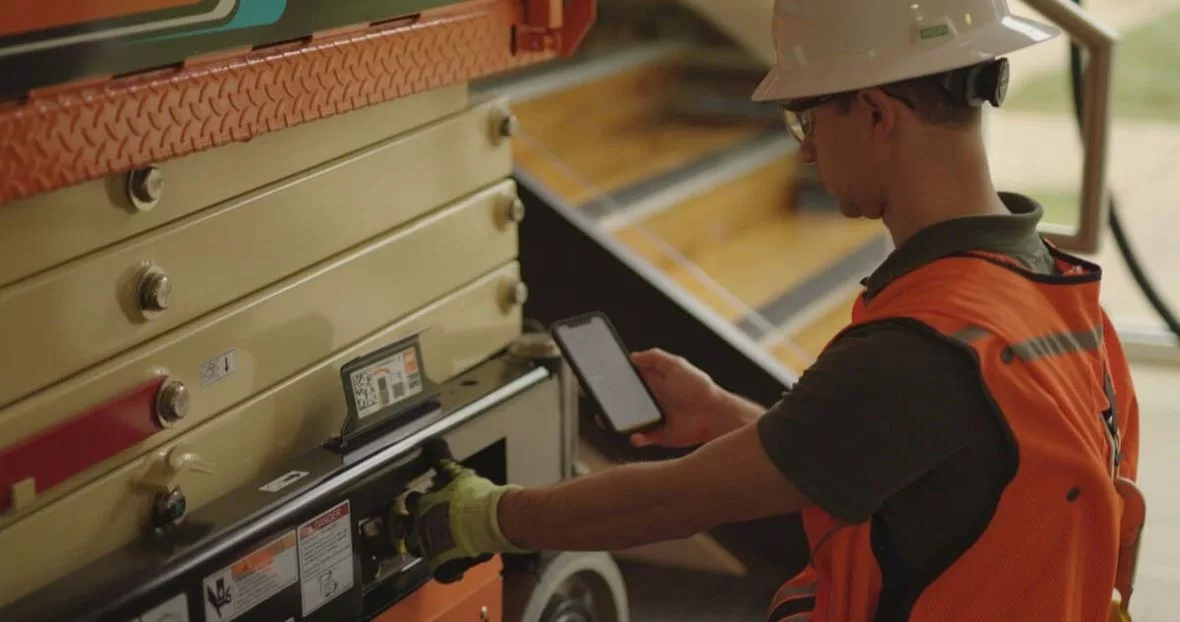
JLG Fault Code article.jpg

Credit: JLG

October 18, 2023

Although preventive and predictive maintenance tasks are crucial to the long-term health and productivity of mobile elevating work platforms (MEWPs) and telehandlers, sometimes machinery stops functioning properly — and when that happens, you need to react immediately to the situation at hand.

Before you can resolve the issue, you need to identify the exact malfunction within the machine. One way to do this is by looking at Diagnostic Trouble Codes (DTC), commonly referred to as fault codes, for more information.

One question that we get frequently asked is, “What is a fault code?” Followed up by, “And, how does it help me troubleshoot what’s going on with my machine?”

Below are answers to those questions, along with insights on resources available to you to help access the machine information you’re looking for.


What is a fault code?

Fault codes are actually DTCs — digital codes that can be used to diagnose issues in a machine. Each DTC corresponds to a specific malfunction within the machine, whether a generic issue or a manufacturer-specific error.

It is important to understand that DTCs provide you with more information than a machine alert or indicator symbol, like a check engine light, can. That’s because alerts can only indicate that there is an issue — DTC can give additional details about the malfunction, identifying what it is and where it’s at.


How do I read a DTC?

When a MEWP or telehandler detects that a component or system is not operating within acceptable limits, the machine will activate the corresponding DTC, which is then stored in its memory to be retrieved for more details on the issue. You can retrieve these machine memories in a few different ways, including with machine analyzers, from the ground display on the machine (a feature only available on newer equipment models) and through telematics portals.

The most common way to diagnose, or “read,” DTCs is with a machine analyzer reader. These tools will allow you to search for fault codes, enable/disable machine options and adjust machine parameters, if needed, for service repairs. With this kind of actionable data available at your fingertips, you will be able to make informed decisions about your equipment.


How do I clear a DTC?

A DTC will not be cleared until the issue has been addressed and the machine has been restored to good working order. There are two ways to get information on what these issues are and how to resolve them. 

You can refer to the machine’s service & maintenance manual for specific details on how to properly service the machine. 


How can I learn more about DTCs or other machine issues?

Properly addressing machine issues goes a long way in keeping MEWPs up and running, often adding extra hours to a unit’s life. But if you — or your service technician — are newer to the aerial industry, there’s a lot of information available that can help you start troubleshooting machine issues as quickly as possible. 

JLG University provides service training that will give you a deep understanding of the design, operation and maintenance of JLG equipment. With machine-specific classes for MEWPS, JLG has service training for your fleet covered, including fully online training specific to hydraulic and electrical system fundamentals. 

Also, JLG recommends that learning more about the industry as a whole, including different machine lingo, will help you more efficiently identify and address DTCs and other maintenance challenges associated with MEWPs and telehandlers. 


What other resources are available to help with troubleshooting? 

Whether you are looking to perform routine maintenance and need service parts or working to get your machine back to prime working condition and need replacement parts, troubleshooting tools can help you find the right information you need to keep your fleet running smoothly. 

You can search JLG’s Knowledge Base article library, by DTC or symptom, to find the solution to the most common JLG MEWP issues. Knowledge Base returns DTC descriptions, possible causes, troubleshooting steps, special tools required and helpful documents to quickly get your JLG machine back in working order. To access JLG’s 300+ articles in Knowledge Base, click here. 

KEYWORDS: machinery

Share This Story

Looking for a reprint of this article?
From high-res PDFs to custom plaques, order your copy today!

Benji Glunt works at JLG. 

Recommended Content

JOIN TODAY
to unlock your recommendations.

Already have an account? Sign In

  • forklift safety

    Exploring the latest technologies in forklift safety

    With more staff and more stock in warehousing now more...
    Facility Safety
    By: Josh Cramer
  • welding

    All about welder’s flash or arc eye

    A flash burn is a painful inflammation of the cornea,...
    Environmental Health and Safety
  • dangerous jobs

    The 10 most dangerous jobs in the U.S.

    On-the-job deaths have been rising — hitting the highest...
    Occupational Safety
    By: Benita Mehta
Manage My Account
  • eMagazine Subscriptions
  • ISHN Newsletter & Other Newsletter Alerts
  • Online Registration
  • Manage My Preferences
  • Subscription Customer Service

More Videos

Sponsored Content

Sponsored Content is a special paid section where industry companies provide high quality, objective, non-commercial content around topics of interest to the ISHN audience. All Sponsored Content is supplied by the advertising company and any opinions expressed in this article are those of the author and not necessarily reflect the views of ISHN or its parent company, BNP Media. Interested in participating in our Sponsored Content section? Contact your local rep!

close
  • man wearing the the Sundström SR200 Full Face Mask Respirator
    Sponsored byOHD

    5 Fit Testing Mistakes That Could Cost You

  • This image shows Magid AcuSpex polarized blue mirrored safety glasses.
    Sponsored byMagid Glove and Safety

    Construction PPE Guide: What Crews Need for Each Task

  • lone worker in confined space
    Sponsored byAlphasense Ltd.

    GET THE LEAD OUT of your Safety Oxygen Sensors!

Popular Stories

SpaceX 7 launch

OSHA Investigating Fatal Fall at SpaceX Starbase

Automated loading dock equipment

After March 2026 Rivian Death, Safety Managers Reassess Loading Dock Systems Under OSHA's Warehouse Emphasis Program

psychology in the workplace

Most Workplaces Measure Psychological Safety, Ignoring Psychosocial Risks

top 10 most dangerous jobs

Poll

Seasonal Readiness

With the federal heat stress prevention rule on the horizon, which area of your safety program needs the most attention?
View Results Poll Archive

Products

Surviving an OSHA Audit A Management Guide, 2nd Edition

Surviving an OSHA Audit A Management Guide, 2nd Edition

See More Products

ISHN Podcasts

Related Articles

  • The great resignation

    The great resignation: What is a job’s purpose and how does this affect OHS pros?

    See More
  • Respiratory Protection Program (RPP)

    What is a Respiratory Protection Program and when do you need one?

    See More
  • What is a safety program policy?

    See More

Related Products

See More Products
  • ANSI/AIHA/ASSE Z9.3-2007 Spray Finishing Operations: Safety Code for Design, Construction and Ventilation

See More Products

Related Directories

  • A V Systems Inc.

    MIRS Online collects and manages data for your SARA, TRI, CAA, CWA, RCRA, SDS management and OSHA hazard communication reporting needs.
×

Become a Leader in Safety Culture

Build your knowledge with ISHN, covering key safety, health and industrial hygiene news, products, and trends.

JOIN TODAY
  • RESOURCES
    • Advertise
    • Contact Us
    • Directories
    • Manufacturing Division
    • Store
    • Want More
  • SIGN UP TODAY
    • Create Account
    • eMagazine
    • Newsletters
    • Customer Service
    • Manage Preferences
  • SERVICES
    • Marketing Services
    • Reprints
    • Market Research
    • List Rental
    • Survey/Respondent Access
  • STAY CONNECTED
    • LinkedIn
    • Facebook
    • YouTube
    • X (Twitter)
  • PRIVACY
    • PRIVACY POLICY
    • TERMS & CONDITIONS
    • DO NOT SELL MY PERSONAL INFORMATION
    • PRIVACY REQUEST
    • ACCESSIBILITY

Copyright ©2026. All Rights Reserved BNP Media, Inc. and BNP Media II, LLC.

Design, CMS, Hosting & Web Development :: ePublishing