Hidden risks in the construction site
Learn about pivotal countermeasures to ensure worker safety
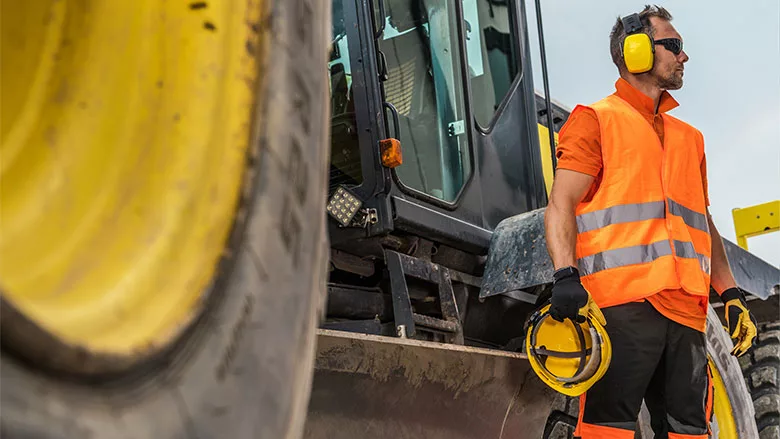
Photo credit: PK Safety
Construction sites are dynamic environments teeming with activity, equipment, and potential hazards. While the dangers from heavy machinery operation, electrical work, and fall hazards are well-recognized, numerous hidden risks lurk beneath the surface, posing significant threats to worker health and safety.
Below, we delve into some of the hidden risks commonly encountered in construction zones, discussing crucial safety measures and relevant safety equipment to mitigate them. By understanding and addressing these often-overlooked hazards, construction companies can create safer work environments and prevent potentially life-altering incidents.
Respiratory hazards
With the constant bustle of activities, construction sites generate significant dust, airborne contaminants, and respiratory hazards. These can include the following:
- Silica dust: Cutting, grinding, and drilling concrete, masonry materials, and rocks can cause silica dust inhalation, which can cause a litany of respiratory illnesses.
- Asbestos: Commonly found in the insulation materials of older buildings, inhaling asbestos fibers can cause severe respiratory diseases like mesothelioma and lung cancer.
- Volatile organic compounds (VOCs): Emitted from paint, adhesives, and other common construction materials, VOCs can irritate the eyes, nose, and throat, potentially causing long-term health problems.
Safety measures:
- Site assessments: Conduct thorough site assessments to identify potential atmospheric hazards before commencing work.
- Dust control measures: Water sprays, dust suppression systems, and ventilation help minimize airborne contaminants.
- Protective equipment: Mandate using respirators with the appropriate filters for identified atmospheric hazards.
Recommended safety equipment:
- Respirators: These include N95 respirators for general dust exposure and P100 respirators for high-risk contaminants like asbestos and silica dust.
- Disposable coveralls: Use HazMat suits or similar non-woven fabric coveralls for dust and particle protection.
- Shoe covers: Disposable shoe covers prevent the spread of contaminants in non-construction areas.
Provide respirators approved by the National Institute for Occupational Safety and Health (NIOSH) to ensure utmost worker safety. These respirators undergo strict quality assurance and performance requirements to ensure they work effectively in specific occupational settings.
Noise-induced hearing loss
The constant roar of heavy machinery, hammering, and drilling on construction sites can have a detrimental impact on worker hearing. Prolonged exposure to loud noise levels exceeding 85 decibels (dB) can lead to noise-induced hearing loss (NIHL), a permanent condition characterized by difficulty of hearing, tinnitus (ringing in the ears), and even balance issues.
Safety measures:
- Noise monitoring: This helps identify areas exceeding safe exposure limits. Reduce noise whenever possible by using quieter equipment or adding sound barriers.
- Administrative controls: Limit worker exposure time to high noise levels through job rotation or scheduled breaks in quieter areas.
Recommended safety equipment:
- Earplugs: Use properly fitting disposable or reusable earplugs offering a noise reduction rating (NRR) of 25 dB or higher for optimal protection.
- Ear muffs: Quality earmuffs often incorporate multiple layers of materials with different acoustic properties. These layers absorb, reflect, and block different noise frequencies, providing more comprehensive protection from construction noise.
According to NIOSH, about 25% of noise-exposed tested construction workers have a hearing impairment that impacts day-to-day activities.
Vibration-related injuries
Vibration injuries can result from prolonged exposure to mechanical vibrations. Construction workers are particularly susceptible to vibration-related injuries due to the use of power tools and equipment like jackhammers, chainsaws, and compactors.
Safety measures:
- Work scheduling and rotations: Rotate workers to different tasks to reduce continuous exposure to vibrating tools. In addition, regular breaks should be allowed to give the body time to recover from vibration exposure.
- Engineering controls: Equip tools with anti-vibration handles or suspension systems to minimize the impact on the hands and arms.
Recommended safety equipment:
- Anti-vibration gloves: Use gloves specifically designed to reduce the transmission of vibrations to the hands and arms.
- Vibration-dampening insoles: Consider using insoles with vibration-dampening properties to reduce the impact on the lower body.
Don’t overlook the impact of regular maintenance on vibration-related injuries. Ensuring tools are well-maintained prevents increased equipment vibration due to wear and tear.
Visibility issues
Visibility issues on construction sites can pose significant risks to worker safety. Reduced visibility may result from factors such as adverse weather, low lighting conditions, and dusty environments. For instance, many accidents happen when working on poorly-lit roads.
Safety measures:
- Warning signs and signals: Install warning signs and signals to alert workers to potential hazards and changes in environmental conditions. Use early warning devices, flaggers, or signalers whenever necessary to direct traffic and guide equipment movement.
- Communication protocols: Establish clear communication protocols to ensure workers can convey information effectively despite visibility challenges. Use radios, hand signals, or other communication tools to maintain contact between team members.
Recommended safety equipment:
- Lighting solutions: Ensure proper lighting across the construction site, especially in confined spaces and areas with low natural light. Provide workers with personal lighting devices such as headlamps or flashlights for tasks in poorly lit areas.
- High-visibility clothing: To enhance worker visibility, wear high-visibility vests, jackets, and other gear. You can add reflective strips for heavy machinery and equipment to ensure visibility even in changing conditions.
With so much going on, optimal visibility is critical in construction sites, as low visibility can make an already challenging environment even more perilous for worker safety.
UV radiation
Construction workers are exposed to significant amounts of ultraviolet (UV) radiation. While the sun might seem like an obvious threat during the summer months, it’s easy to overlook its effects during colder months, making it even more dangerous. This constant exposure can lead to sunburn, premature skin aging, and increase the risk of developing skin cancer.
Safety measures:
- Work scheduling and rotations: Plan outdoor work schedules to minimize exposure during peak sunlight hours, typically from 10 a.m. to 4 p.m., and rotate workers to indoor tasks or shaded areas during high UV intensity periods.
- Shade structures: Provide shaded areas on construction sites where workers can take breaks from direct sunlight. You can also build temporary shade structures for tasks involving prolonged outdoor exposure.
Recommended safety equipment:
- Sun protection: To enhance sun protection, wear specialized clothing with ultraviolet protection factor (UPF) ratings. Sunscreen, sunglasses, and wide-brimmed hats are also recommended, depending on the work environment. PPE with cooling properties can also provide relief and make a huge difference for warm workdays.
By prioritizing safety throughout all stages of construction projects, companies can create a work environment where everyone can confidently perform their duties efficiently. Vigilance and investing in quality safety gear and equipment go a long way when it comes to construction safety.
Looking for a reprint of this article?
From high-res PDFs to custom plaques, order your copy today!