Firefighter safety standards: Are we doing enough to protect our heroes?
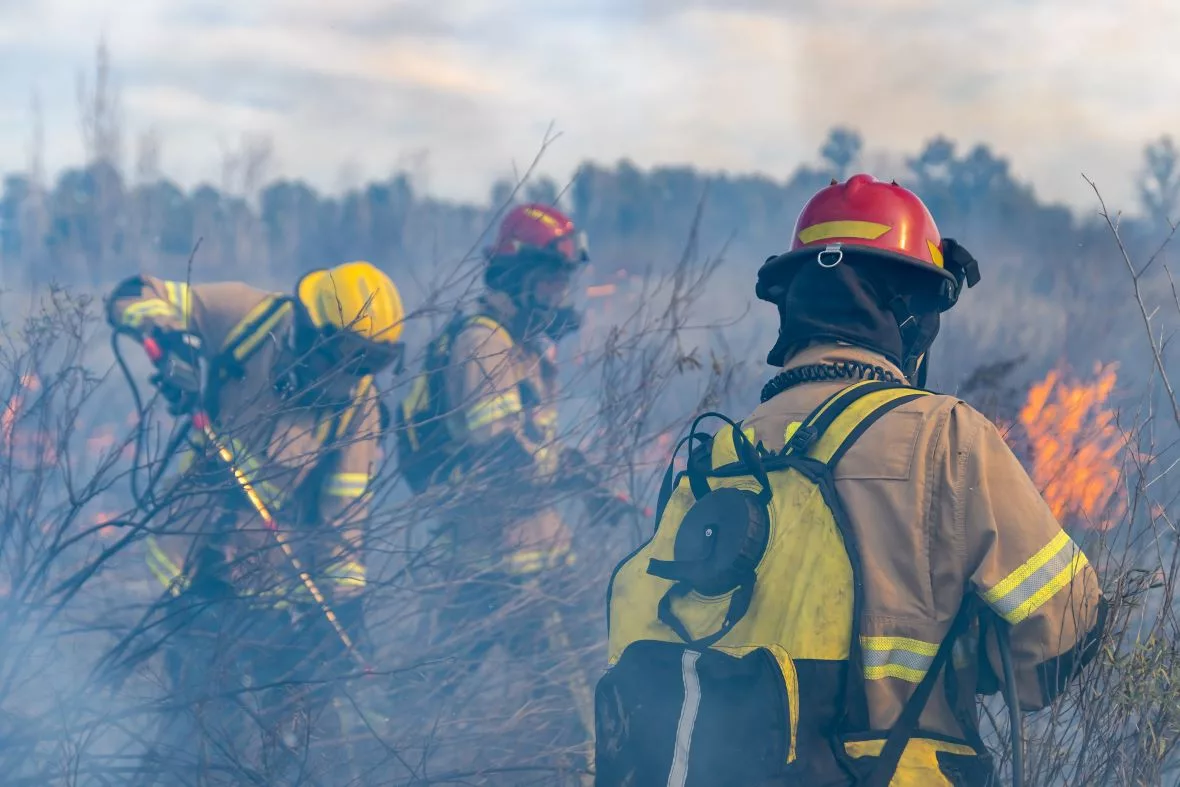
Firefighter safety is a hot topic right now, thanks to a major overhaul of national standards from OSHA.
This is the first update of the Fire Brigades Standard in 40 years – a massively overdue revamp that has nonetheless incited a lot of controversy among firefighter organizations. The first change is to the name itself, as the antiquated “Fire Brigades” title is going away, and will now be called the Emergency Response standard.
The proposal — which is still open for public comment and will likely take years to fully come into effect — has drawn a lot of focus on the current state of firefighting.
OSHA’s update also comes on the heels of other, more narrowly targeted updates in firefighter safety from the National Fire Protection Association – an organization that creates high safety standards for emergency responders, and that OSHA often incorporates into its own requirements.
Many industry watches want improvements in fire safety protocol, but the proposal from OSHA and other organizations have stirred up dissent over exactly where the focus should be.
OSHA overview
Are we doing enough to keep firefighters safe? No, we are not – but setting priorities and executing on requirements is easier said than done. The response to OSHA’s proposed Emergency Response standard is a perfect illustration.
Other organizations see a lot of positives in the proposed changes, even if they question the feasibility of some parts of it. Meanwhile, some organizations are adamantly opposed:
“Despite its bureaucratic “good intentions”, this new rule could actually decrease firefighter health and safety,” according to the Firefighters Association of the State of New York. “There are less intrusive actions that fire service organizations could take that would have immediate positive impacts on firefighter safety and create little or no additional burdens. Several of these areas have been untouched by the proposed standard, while costly and time-consuming requirements have made their way into the proposed regulation.”
The changes cover a lot of areas, including emergency response vehicles, hazard vulnerability assessments, training, firefighter uniforms and personal protective equipment (PPE), health and fitness standards, and more.
And as the name indicates, it applies to a much wider range of personnel, including emergency medical, tactical response, and many more. The idea is to improve best practices and reporting to keep workers safe and collect better data that will help safety continuously improve.
Here are three key areas for improvement in firefighter safety.
Firefighter uniforms
Firefighter uniforms are high-tech, impressive pieces of equipment. All too often, they also contain unacceptably high levels of “forever chemicals” – per- and polyfluoroalkyl substances (PFAS) – that are linked to cancer risk. Firefighters have a 14 percent higher chance of dying from cancer than the general population.
Since this discovery a few years ago, organizations have been working to improve gear standards. In 2023, NFPA drafted updated certifications that deal with firefighter uniforms – construction, features, ease of cleaning and more.
The current NFPA 1971 certification revision draft makes changes to gear, including:
- Requiring manufacturers to measure PFAS levels in gear
- Applying criteria from the general apparel industry for acceptable PFAS levels
- Measuring and limiting other restricted substances such as heavy metals or lead
The ability to effectively clean a firefighter uniform is also hugely important. As part of its updates, the NFPA introduced requirements for measuring how well you can clean clothing and helmets — essentially, measuring how easy it is to remove organic and heavy metal contamination.
The requirement makes manufacturers report contaminant removal capabilities for clothing. For helmets, soft components like ear covers and chin bands have been found to be riddled with contaminants — so now, firefighter uniform manufacturers must prove that these can be easily removed for thorough cleaning and decontamination.
Medical monitoring
Firefighter safety is not just about avoiding catastrophic incidents on the scene of a fire. Firefighting is grueling physical work, and it can also have significant mental health impacts. Keeping firefighters safe means helping them stay healthy 24/7 — not just at the scene of a fire event.
The OSHA proposal requires that organizations establish a comprehensive medical program, with a designated physician to oversee the program. Fire response organizations must also:
- Set timelines and procedures for clearing firefighters to return to duty after an injury
- Establish “fitness for duty” guidelines, and explain how the organization will monitor member employees
- Create a plan for ongoing monitoring of firefighters who have been exposed to combustion products
Notably, the requirements also mandate a behavioral health program that includes counseling, crisis cases, and post-incident monitoring.
Plans and protocol
When a firefighter gets injured or killed, it’s not “just part of the job,” writes this retired battalion chief — tragedies are often preventable. Something went wrong, and it’s incumbent on fire organizations to figure out how to stop it from happening again.
Plenty of tragedies could be prevented by organizations creating and implementing strict protocols for creating an on-scene accountability system, mandating proper PPE usage and seatbelt-wearing on fire vehicles, and generally supporting cultural changes that make safety precautions and decision-making more systematic.
The new OSHA proposal attempts this, albeit in a way that many industry watchers find onerous and impractical.
The proposal requires first responders to create a variety of plans, programs, and standard operating procedures for a number of events or situations. Perhaps most importantly, it requires organizations to establish training requirements — including manded updates on training, ensuring instructors are qualified to do this training.
Here’s a few examples of what plans emergency services organizations must create:
Emergency response programs to respond for any emergency situation
- Risk management plans to reduce risks to responders, improve training and vehicle operations, as well as activities that expose workers to carcinogenic or other hazardous products
- Standard operating procedures for emergency events, including situations involving unusual hazards or incidents beyond their capabilities
- Incident management systems to describe team members’ roles and responsibilities during incidents
Some organizations point out that OSHA’s requirements are onerous and deeply impractical for many small fire organizations, creating a sea of paperwork without taking simpler, more streamlined steps to enact the kinds of cultural changes that would actually help.
While OSHA is accepting feedback on the proposal, now is the ideal time to focus on what would truly help keep these heroes safe, so they can keep us safe in turn.
Looking for a reprint of this article?
From high-res PDFs to custom plaques, order your copy today!


