How to Choose the Right Packaging for Chemical Safety and Compliance
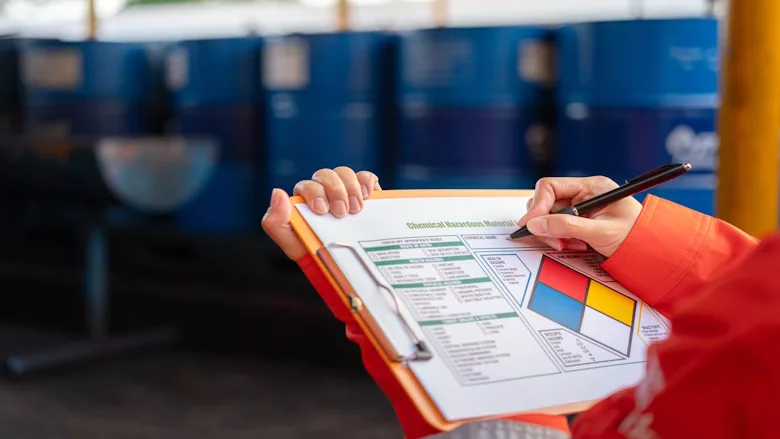
Photo credit: Thank you for your assistant / iStock / Getty Images Plus
Choosing the right packaging for hazardous chemicals is crucial for safety, regulatory compliance and operational efficiency. The proper packaging protects workers and minimizes risks of all kinds, all while addressing environmental concerns.
In this helpful guide, we’ll explore the key factors in selecting the right packaging solutions to keep your chemicals safe, secure and in line with industry standards.
Chemical Compatibility
The first step in selecting packaging is understanding chemical compatibility. Not all materials work with every chemical. Some substances can react with packaging materials, causing degradation or dangerous reactions. For example, acids may corrode metals, while solvents could weaken plastics.
Always refer to the Material Safety Data Sheet (MSDS) for guidance on compatible materials, and choose containers like high-density polyethylene (HDPE), polypropylene (PP) or metal based on the chemical's properties.
Regulatory Compliance
Compliance with local and international regulations is a key factor. Packaging must meet standards set by organizations such as the Environmental Protection Agency (EPA), Occupational Safety and Health Administration (OSHA) and the Department of Transportation (DOT). This includes using proper containers for hazardous goods and labeling packaging according to the Globally Harmonized System (GHS). Hazard symbols and handling instructions must be clearly visible on the packaging.
Container Sizes
Choosing the right container size is essential for both safety and practicality. Overfilled or overly large containers can be difficult to manage and increase the risk of spills, while too small containers may not meet operational needs. Packaging should match the chemical’s volume, weight and handling requirements. For transportation, the Department of Transportation (DOT) has regulations on maximum container sizes, which must be followed to maintain safe transit.
Labeling and Marking
Proper labeling is critical. Labels must include hazard warnings, chemical identities and safe handling instructions. They should also display the UN number for transportation and provide clear, legible information, especially in harsh environments where chemicals are exposed to moisture or UV light. Along with GHS symbols, labels should indicate the specific hazards of the chemical and any precautions that must be taken.
Environmental Impact
Packaging choices also have environmental consequences. Many businesses are turning to sustainable options — such as recyclable or reusable containers — to reduce waste. Packaging materials like recycled plastics or biodegradable options are gaining popularity. Select packaging that minimizes environmental impact by considering the material's lifecycle and opting for materials that can be responsibly disposed of or recycled.
Spill Prevention and Containment
Spill prevention is a top priority when dealing with hazardous chemicals. Packaging must be robust enough to withstand transportation and storage conditions, with features like leak-resistant seals or secondary containment systems to catch spills. For bulk chemicals, using spill pallets or bundling can prevent leaks from spreading. Easy-to-use dispensing mechanisms — like spouts or pumps — can also help minimize spills during use.
Custom Chemical Blending
For businesses handling custom chemical blends, packaging must be tailored to accommodate the specific properties of the mixture. Blending chemicals can alter their characteristics, making them more reactive or volatile than the individual components. As a result, packaging must be carefully selected to account for these changes, maintaining safety and compliance throughout storage and transportation.
Certain custom chemical blends may generate additional heat, increase pressure or exhibit heightened reactivity. In these cases, specialized packaging features — such as pressure relief valves, reinforced seals or extra protective layers — may be necessary to prevent leaks or container failure. It is critical that containers are strong enough to withstand these challenges, reducing the risk of spills and accidents.
Labeling for custom chemical blends must also reflect any shifts in hazard classification. The blending process may introduce new risks — such as increased flammability, toxicity or corrosiveness — which must be clearly communicated on the packaging. By carefully selecting appropriate packaging and labeling solutions, businesses can minimize risks and promote safe handling throughout the entire process of custom chemical blending.
Practical Advice for Choosing Chemical Packaging
Consult Packaging Experts: Work with suppliers who specialize in chemical containers. They can guide you toward materials and technologies that comply with regulations and provide superior protection.
Test the Packaging: Before committing to large orders, conduct small-scale tests to assess compatibility, durability and resistance to leaks.
Stock a Range of Sizes: Having multiple container sizes available allows for greater flexibility and safer handling.
Essential Principles for Chemical Packaging Success
Selecting the right packaging for chemical safety and compliance requires a comprehensive understanding of chemical compatibility, regulatory requirements and environmental considerations. By addressing these key factors, businesses can mitigate risks, reduce environmental impact and meet legal obligations. With the right packaging, you not only promote a safer work environment but also enhance operational efficiency and maintain regulatory compliance.
Looking for a reprint of this article?
From high-res PDFs to custom plaques, order your copy today!