Investing in Safety: The Long-Term Benefits of Maintaining Testing Equipment
Credit: Getty Images
Safety is the foundation of any industrial operation where workers encounter heavy machinery, hazardous materials and high-risk environments daily. A malfunction or undetected hazard can lead to severe injuries and costly downtime. That’s why testing equipment — such as gas detectors and pressure gauges — is crucial in keeping workplaces safe.
These tools help identify risks before they become threats to ensure compliance with regulations and prevent accidents. However, testing equipment is only as reliable as its maintenance. Regular calibration and upkeep ensure accuracy, reduce failure risk and create a more efficient work environment.
The Role of Testing Equipment in Workplace Safety
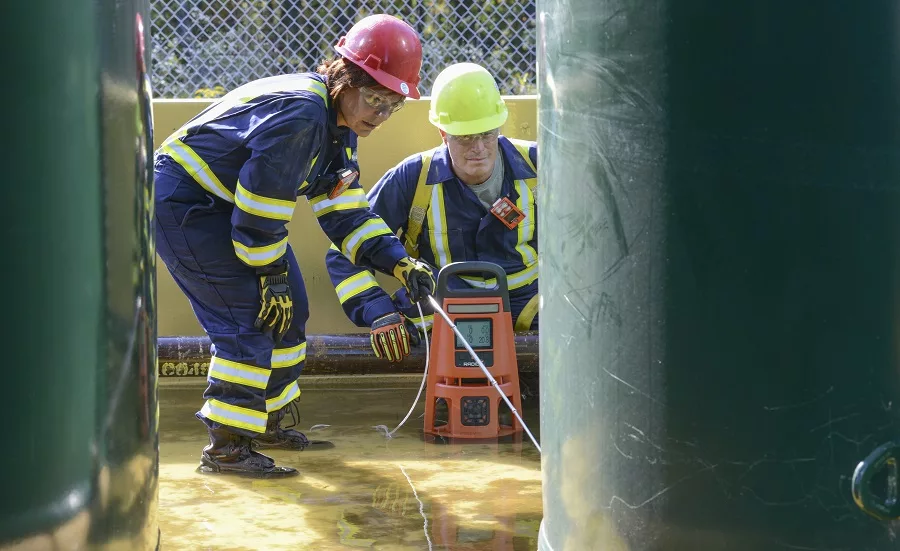
Testing equipment is critical in workplace safety because it identifies hazards, ensures compliance and protects workers from dangerous conditions. Gas detectors monitor toxic leaks, electrical testers check for faulty wiring and voltage issues, and pressure gauges prevent equipment failures by measuring system stability. When adequately maintained, these devices help prevent accidents and keep operations running smoothly.
The manufacturing sector saw 440,000 medically consulted injuries in 2023, many of which could have been avoided with accurate and reliable equipment. Faulty testing tools can create severe risks. For example, an undetected gas leak could lead to toxic exposure or an explosion. Regular maintenance and calibration ensure these tools function as intended, reducing workplace hazards and keeping employees safe.
The Long-Term Benefits of Regular Maintenance
Neglecting routine maintenance on testing equipment can lead to inaccurate readings, unexpected failures and increased safety risks. Regular upkeep ensures reliable performance and long-term benefits, from reducing workplace accidents to extending equipment life span and lowering operational costs.
Reducing Workplace Accidents and Injuries
Regular maintenance keeps testing equipment accurate, ensuring reliable and effective safety assessments. Tools that function correctly help identify potential hazards before they become severe threats.
Without routine upkeep, faulty readings or undetected malfunctions can lead to catastrophic accidents, put workers at risk and cause costly downtime. Well-maintained equipment keeps operations running smoothly, which prevents unexpected failures that could disrupt productivity.
Ensuring Compliance with Safety Regulations
Industries across manufacturing, construction and energy must comply with strict regulations from organizations like OSHA and NFPA to protect workers and maintain operational integrity. Failing inspections due to faulty testing equipment can lead to hefty fines, shutdowns or legal consequences — all of which take a toll on a company’s bottom line.
Businesses that neglect maintenance waste resources on penalties and compliance violations instead of reinvesting revenue into safer equipment or improved working conditions. Proactive maintenance ensures tools remain accurate and reliable, helping companies meet regulatory requirements while avoiding unnecessary expenses.
Extending Equipment Life Span and Reducing Replacement Costs
Well-maintained testing equipment lasts longer, saving businesses from the high costs of frequent replacements. Similarly, delaying preventive maintenance can lead to unexpected failures, which causes operational downtime and compromises the accuracy of safety assessments. Faulty readings from neglected tools increase the risk of workplace hazards and put employees and compliance at risk.
The cost of routine maintenance — including calibration and inspections — is far lower than the expense of emergency replacements. This often comes with unplanned downtime, rush-order fees and potential regulatory fines. Investing in regular upkeep extends the life of essential safety tools and keeps operations running smoothly and efficiently.
Best Practices for Maintaining Testing Equipment
Maintaining testing equipment ensures accuracy, reliability and workplace safety. Following best practices prevents costly failures and keeps systems running at peak performance.
Regular Calibration and Inspection
Calibration maintains the accuracy of testing equipment, ensuring workplace compliance with industry regulations. Over time, regular use and environmental factors can cause instruments to drift, which can lead to inaccurate readings that put workers and operations at risk. Many industries have legal requirements mandating calibration to keep measurements within an allowable tolerance range and ensure the integrity of safety assessments at all times.
Industry standards typically recommend annual calibration, though high-use equipment may require more frequent checks. While in-house teams can handle routine inspections, third-party calibration services provide certified testing, detailed documentation, and compliance assurance to reduce the risk of costly errors and regulatory fines.
Proper Storage and Handling
Environmental factors like temperature, humidity and dust can significantly impact testing equipment's performance and life span. Excess moisture can cause rust and corrosion, extreme temperatures may lead to component malfunctions and dust buildup can interfere with sensors, leading to inaccurate readings. Meanwhile, indoor storage helps prevent these issues by protecting equipment from harsh conditions while enhancing security and access control to reduce the risk of theft or vandalism.
Businesses can minimize wear and tear by storing tools in a climate-controlled environment, using protective cases for delicate instruments, and implementing an organized storage system to prevent unnecessary handling or accidental damage. Proper storage extends the life of essential safety tools and ensures they remain accurate and always ready for use.
Building a Reliable Maintenance Strategy for Long-Term Safety
Safety managers can enhance workplace compliance by implementing a structured maintenance plan that includes regular inspections, calibration and proper storage of testing equipment. Partnering with certified maintenance providers ensures all tools are professionally serviced, reducing the risk of equipment failure and costly regulatory violations.
Looking for a reprint of this article?
From high-res PDFs to custom plaques, order your copy today!