Investigating Work-Related Factors in Musculoskeletal Disorder Development
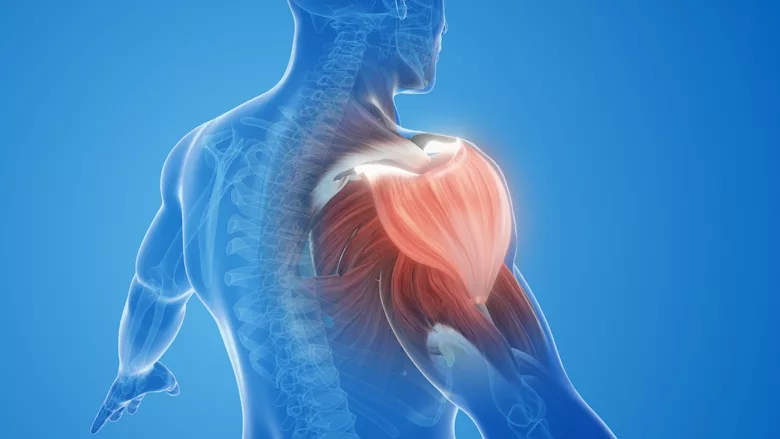
Credit: Jitendra Jadhav / iStock / Getty Images Plus
Workplace safety factors are not always as easy to spot as they may initially seem. While dangerous chemicals, working at heights and the presence of heavy machinery are obvious hazards, ergonomic dangers are often less so. The risk of developing a musculoskeletal disorder also can affect employees in virtually any job.
Musculoskeletal issues are common across industries and roles, but they’re preventable. Leaders must begin by recognizing which factors contribute to these injuries so they can take appropriate action.
Repetitive Motions
One of the most frequent ergonomic risks in the workplace is repetitive motion. As many as 9% of all U.S. adults experienced a repetitive strain injury during a three-month period in 2021, highlighting how easy they are to develop. Those over the age of 35 are particularly prone to such issues.
Motion does not need to be intense for it to cause damage through repetition. Common work-related repetitive tasks that contribute to this hazard include typing, handling items in assembly lines, manually hammering or screwing in construction, and picking in a warehouse.
The more frequently someone must perform a movement and the fewer breaks they take while doing so, the more likely they are to develop a musculoskeletal disorder. These hazards can also be difficult to catch because workers may not experience discomfort until after prolonged periods of moving.
Heavy Loads
Carrying heavy objects is another common cause of musculoskeletal problems. Fewer occupations involve heavy lifting than repetitive motion, but this risk category can be similarly deceptive.
Some items may not seem “heavy” to some but are enough to lead to excessive strain without proper precautions. As such, OSHA does not have any specific weight limits within its guidelines, which can make it challenging to interpret how much is too much. The Centers for Disease Control (CDC) has published a formula for lifting recommendations, which includes factors like position, handling and frequency — all of which are easily missable.
Because what’s safe in one context may not be in another, it’s best to err on the side of caution. Any task involving lifting, especially regular lifting, should include taking steps to prevent handling-related strain.
Unsafe Posture
Employee posture can likewise contribute to a musculoskeletal injury. This hazard is closely related to load weight, as a relatively light object can become riskier if workers don’t follow proper lifting techniques.
Consider how snow shoveling leads to thousands of emergency room visits annually. Snow is not heavy on its own, but awkward posture while moving large amounts of it can lead to back injuries. Similarly, picking a light package off a low shelf may not seem strenuous, but bending at the back instead of the knees can create unnecessary strain.
A task does not need to involve much movement for posture to create ergonomic risks, either. Hunched sitting positions or crouching for extended periods can create excessive tension in an employee’s joints.
Prolonged Sitting
Sitting for long, uninterrupted periods can be an ergonomic risk factor. Workers in office settings may not face more obvious physical hazards as those in heavy industries, but being idle for hours at a time can be damaging, too.
Remaining static for too long can limit blood flow. As a result, muscles do not get all the oxygen they need, leading to pain, fatigue and potentially accumulating to larger musculoskeletal problems. Suboptimal back, arm and neck posture can worsen these effects.
As with repetitive motion, sitting-related injuries often do not appear hazardous at first, causing workplaces to overlook them. Workers may also not notice discomfort until after developing an injury.
Vibration
Ergonomic risk factors include vibrations, too. Like static posture, vibration can impede blood flow. In addition to contributing to muscle fatigue, this can limit mobility and reduce employees’ grip strength over time.
Work-related vibration hazards generally come in two forms, one affecting the whole body and the other being more localized. Whole-body vibrations often stem from operating heavy machinery, especially large vehicles like trucks or agricultural equipment. Smaller machines like handheld power tools can lead to hand and arm issues.
Between 30% and 40% of workers in some roles experience vibration white fingers, a musculoskeletal condition related to vibrations. The prevalence of similar issues can be as high as 75% in some groups, as these hazards often go unaddressed.
Preventing Musculoskeletal Disorders at Work
Across all categories, musculoskeletal disorders affect more than 2 million people and cost $20 billion annually. Such a common issue demands attention from workplace safety leaders.
Once the causes of ergonomic injuries are clear, it’s easier to take appropriate preventive measures. Management should begin by looking for instances of these five hazards within their workflows. Any amount of repetitive motion, lifting, posture-sensitive movement, prolonged sitting and vibration requires a specific plan to address through workplace controls or protocols.
Businesses should seek to eliminate hazards as much as possible. Automating lifting tasks and repetitive motions will remove workers from these risks, ensuring they don’t encounter the danger to begin with. Real-world case studies back this up, with every increase of 1.34 robots in a facility corresponding to 1.2 fewer injuries per 100 workers annually.
Where automation is not possible, organizations can prevent musculoskeletal disorders by ensuring workflows facilitate less strenuous movement. Placing items at waist to chest height will prevent unnecessary bending. Similarly, providing ergonomic-friendly chairs can prevent injuries from unsafe idle posture.
Regular breaks are another essential measure. Workers should take breaks from sitting, lifting or handling equipment every two hours. More strenuous labor may require 30-minute intervals. During this time, employees should stretch and walk around to prevent fatigue and promote blood flow.
Finally, all workers should understand how their posture, lifting techniques or prolonged idleness can affect their health. Education will help everyone understand the importance of proper working procedures and encourage compliance with workplace safety policies.
Understanding Musculoskeletal Disorders Is Key to Stopping Them
Awareness is the first step to better safety in any context. It’s arguably even more important in preventing a musculoskeletal disorder than other hazards, considering how easy it is to miss these risk factors.
Employees in any workplace can encounter ergonomic hazards, so every business must learn about and address these five risk factors. Minimizing related injuries can lead to substantial improvements in safety, productivity, costs and morale.
Looking for a reprint of this article?
From high-res PDFs to custom plaques, order your copy today!


