Building a Safer Future: Prioritizing Mental and Physical Health in the Construction Industry
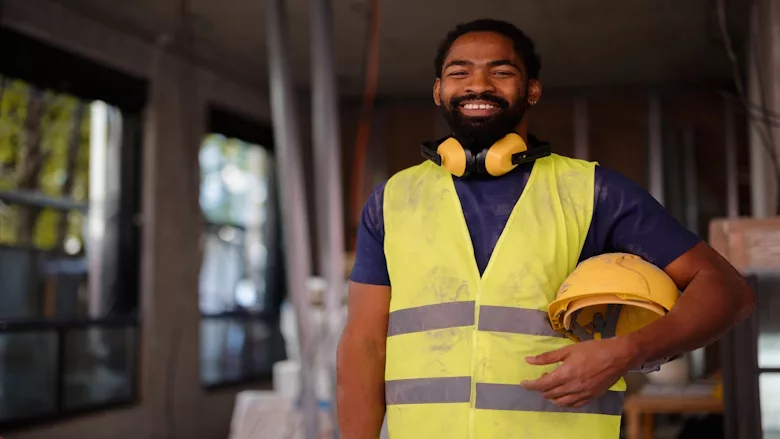
Credit: Ivan Pantic / E+ / Getty Images Plus
A construction site never stops moving. Heavy machinery hums, steel beams rise, and workers push through long shifts, battling fatigue, pressure, and unpredictable conditions. Safety protocols exist to keep them alive, but too many companies focus only on physical safety. They invest in harnesses, helmets, and regulations while ignoring the mental strain that wears workers down every day.
It doesn’t end with exhaustion. It is stress, anxiety, and depression, hidden dangers that do not show up on an injury report until it is too late. Mental health in construction is, unfortunately, far too overlooked. Suicide is more likely to take workers’ lives than on-the-job accidents, yet the industry stays silent. That silence is costing lives.
Companies have a choice. They can treat safety as a checklist or as a commitment to protecting their workers, inside and out. A truly safe job site prioritizes both physical and mental well-being. That means stronger support systems, smarter technology, and leadership that is not afraid to break the stigma around mental health.
The Current State of Mental Health in Construction
Ask any construction worker if they feel stressed, and the answer will be obvious. The job demands long hours, tight deadlines, and relentless pressure to perform. Add in physical exhaustion, job insecurity, and a culture that values toughness over vulnerability, and the perfect storm for mental health struggles begins to form.
The demanding and often isolating nature of construction work contributes to a significant mental health crisis within the profession. Depression and anxiety are common, but the industry still treats mental health as a personal issue rather than a workplace concern. The problem goes beyond stress; it is how companies fail to recognize and manage that stress before it leads to burnout, mistakes, or tragedy.
Too many companies mismanage mental health risks. They implement surface-level wellness programs that sound good on paper but fail to address the real issues. Workers do not need a mindfulness poster in the breakroom. They need real support. That means leadership must step up, provide access to resources, and create a culture where speaking up about stress does not mean being labeled as weak.
The Future of Construction Site Safety
Safety regulations have always been reactive. A serious injury happens, and new rules follow. Waiting for tragedy is not leadership. It is negligence. The future of safety must be proactive, not just preventative.
Regulatory bodies are beginning to recognize that worker safety extends beyond physical hazards. Companies that want to stay ahead must adapt to new standards that go beyond fall protection and protective equipment. Fatigue management, stress monitoring, and mental health support will become as critical as wearing a hard hat.
Technology will also play a large part in shaping safer job sites. Smart sensors, predictive analytics, and real-time hazard detection will allow supervisors to act before accidents happen. But companies must do more than adopt technology. They must commit to a cultural shift where worker well-being is the priority.
Safety is not a box to check. It must be a constant, evolving mission to ensure every worker goes home safe in every sense of the word.
The Role of Technology in Worker Safety and Well-Being
Technology is transforming construction safety. The days of relying solely on manual supervision and outdated safety practices are over. Wearable safety devices are among the most significant advancements. These devices track heart rate, body temperature, and signs of fatigue, alerting workers and supervisors when someone is at risk of heat exhaustion or overexertion. AI-based systems monitor job sites in real-time, allowing for immediate detection and prevention of safety threats.
But technology is doing more than just preventing physical accidents. It also supports mental health. Accessing mental health care has become less intimidating for workers due to the rise of digital solutions that promote privacy and reduce judgment. AI-driven chat support, anonymous counseling options, and mobile wellness check-ins allow workers to seek help in ways that feel safe and private.
For too long, mental health and safety were seen as separate issues. Technology is proving they are deeply connected. Companies that embrace wearable safety gear, AI-driven monitoring, and digital mental health resources are creating job sites that do more than protect workers. They empower them.
Breaking the Silence on Mental Health in Construction
Mental health shouldn't be treated as an off-limits subject in construction. Yet, too many workers feel they have to suffer in silence. The industry's tough-it-out mindset has created an environment where asking for help is seen as a weakness. That culture is as outdated as it is dangerous.
Construction leaders must lead the change. That starts with breaking the stigma, fostering open conversations, and making mental health a visible priority. This means real action. Supervisors and managers should receive mental health training like how they receive safety training. If they know how to recognize stress and burnout, they can step in before it leads to mistakes or tragedy.
Companies must provide accessible mental health resources, not simply a hotline buried in an employee handbook. On-site counseling, peer support programs, and stress management training that fits the realities of construction work should be standard. Workers must feel safe speaking up. No one should fear losing their job because they admit they are struggling. Leadership needs to set an example by openly discussing mental health and showing that well-being is as important as productivity.
Disregarding mental health is detrimental to both employee well-being and company success. Stressed and exhausted workers make more mistakes, take more sick days, and are more likely to leave. The industry is already facing labor shortages. The decision to prioritize mental health intersects with strategic business value just as much as it does with ethical responsibility.
Conclusion
The future of construction safety is about more than hard hats and high-visibility vests. A truly safe job site protects workers physically and mentally.
Consequences await companies that choose stagnation over adaptation. Higher injury rates, reduced productivity, and an exodus of skilled workers are inevitable for those who refuse to evolve. The businesses that thrive will be the ones that embrace technology, challenge outdated mentalities, and put worker well-being first.
The urgency for action exists right now—not following yet another tragedy. What will your company do to make sure every worker makes it home safe?
Looking for a reprint of this article?
From high-res PDFs to custom plaques, order your copy today!