Emergency Readiness on the Job Site
Essential emergency response skills every construction worker should know
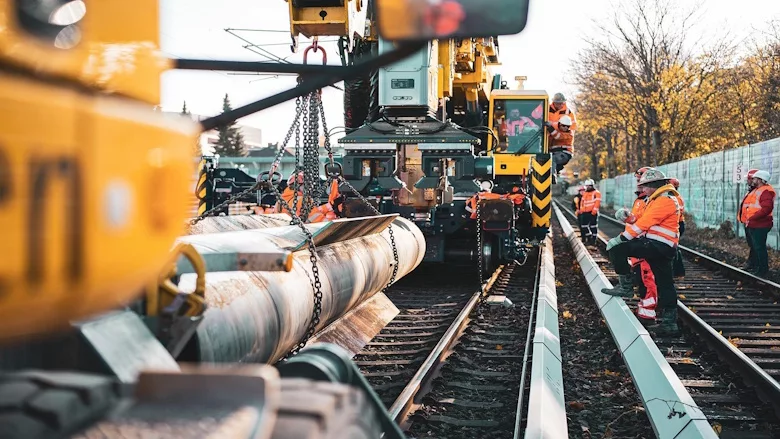
Credit: KVNSBL / Pixabay
Construction sites are at the top of the list of riskiest work environments. The presence of heavy machinery, hazardous materials, and challenging work conditions make construction sites hard to work in and stay safe.
Common hazards include falls from heights, equipment malfunctions, structural failures, and exposure to dangerous substances.
Also, keep in mind the impact of tariffs on the safety of the products you’re using. Construction materials and tools will have tariffs on them that will make suppliers look for ways to cut costs, usually at the expense of product quality and consumer safety.
Without proper emergency preparedness, risks can quickly escalate into life-threatening situations. Every worker on a construction site, from laborers to site managers, must be equipped with the knowledge and skills to handle emergencies effectively.
When everyone on site is trained and informed, the response to potential hazards becomes seamless, improving reaction times and safety on site. Fewer catastrophic incidents and overall safer construction sites, here we come.
Every construction worker must engage in emergency response training to equip them with the skills needed to address medical and safety crises effectively. Knowing how to respond to emergencies can mean the difference between life and death.
Key emergency response skills include:
- First aid basics: Every worker should be trained in treating minor injuries such as cuts,
- burns, and sprains. Injuries are common in construction. So, understanding how to clean wounds properly and prevent infections is crucial.
- CPR and AED use: Knowing how to perform CPR and using an automated external defibrillator (AED) can save lives in the event of cardiac arrest. Quick action in such cases can keep someone stable until medical professionals arrive.
- Fracture and bleeding management: Workers should understand how to immobilize fractures and control severe bleeding until help comes. Knowing how to create makeshift splints and apply effective pressure bandages can be invaluable.
- Fire safety procedures: With all of the hazardous materials on site, fire hazards can happen. Understanding how to use fire extinguishers properly is crucial. Additionally, workers should know when to evacuate rather than attempt to control a blaze.
- Evacuation protocols: Every worker must know emergency exits, muster points, and proper evacuation procedures in case of disasters like structural collapses or gas leaks. Practicing evacuation drills ensures that workers respond automatically and effectively when the pressure is on.
By training your team in these life-saving techniques, you can drastically reduce the severity of workplace injuries and fatalities.
Precautions to Prevent Accidents and Ensure Compliance
You want to be prepared for emergencies and accidents. However, more importantly, you want to prevent them.
Proper safety measures, clear hazard communication, and strict compliance with Occupational Safety and Health Administration (OSHA) regulations can prevent incidents before they occur. For example, proper labeling and adherence to wiring color codes are critical for safety on a construction site, especially when dealing with electrical systems. If wires are mislabeled, it can lead to horrible electrical hazards, like electrocution and fires.
Workers should be in the proper safety attire, wearing appropriate personal protective equipment (PPE), including helmets, gloves, safety glasses, and steel-toed boots. Consistently enforcing PPE regulations reduces the risk of injuries related to falling debris, chemical exposure, and machinery accidents.
Don’t forget about equipment checks. Regular inspections and maintenance of machinery and tools can prevent mechanical failures that lead to accidents. Making sure that all equipment is up to code and functioning correctly minimizes unexpected malfunctions and ensures workers can do their jobs safely.
Be sure safety instructions are clear, and there’s a culture of open communication. Effective signage, training, and open communication channels ensure that all workers understand emergency procedures. Setting up a system for workers to report safety concerns also helps you be proactive in identifying hazards.
You and your workers should also understand load limits and lifting safety. Understanding weight limits and proper lifting techniques prevents injuries related to lifting and carrying heavy materials.
Train workers on the risks of overloading cranes. Also, teach them how to properly use lifting equipment, whether cranes, forklifts, trucks, or lifts, to take the pressure off their bodies and safely lift and lower loads on site.
How Management Can Provide Effective Emergency Training
Site managers and HR personnel take on the responsibility of creating and executing emergency training programs. Comprehensive safety programs are so necessary because they can drastically reduce workplace injuries and enhance worker confidence.
Regular safety drills must be a part of your emergency training. Conduct drills for scenarios such as fires, equipment failures, and structural collapses to prepare workers for real emergencies. Simulate real-world conditions as closely as possible to ensure they react appropriately in high-stress situations.
Ensure all employees receive first aid and CPR training. This benefits the workplace and equips them with skills that can be useful in everyday life.
Clearly outline protocols for different types of emergencies in emergency response plans and make them readily accessible to all workers. Make sure they know exactly where to find safety manuals and whom to contact in an emergency.
Well-placed emergency exit signs, hazard warnings, and first aid stations improve site safety too. Make signage multilingual or use universally recognized symbols to ensure all workers understand the information presented.
You’ll also want to invest in online training resources. Provide free access to online safety courses, like this free online training course on how to safely use ladders from the American Ladder Institute. Online training complements hands-on experience and allows workers to refresh their knowledge regularly.
A Well-Prepared Team Is a Safe Team
Your construction site won’t be as safe as it can be without emergency preparedness. Ensuring that all workers have the necessary training and resources to respond to emergencies can prevent injuries, save lives, and create a more productive and confident workforce.
If anything, take with you the following information from this article:
- Construction sites are high-risk environments that demand robust safety protocols.
- Every worker should be trained in basic emergency response skills, including first aid and CPR.
- Proper safety precautions, clear communication, and compliance with OSHA regulations are essential.
- Management must invest in ongoing safety training and drills to ensure preparedness.
- A culture of safety begins at the top and must be reinforced at every level of an organization.
One of the first and best steps you can take is assessing and managing your safety processes. See where you are now, determine where you want to be, and put a plan together based on what you learn to strengthen your emergency preparedness plans and foster a culture of safety.
Looking for a reprint of this article?
From high-res PDFs to custom plaques, order your copy today!