How to Customize Gas Detectors for Optimal Safety in the Oil and Gas Industry
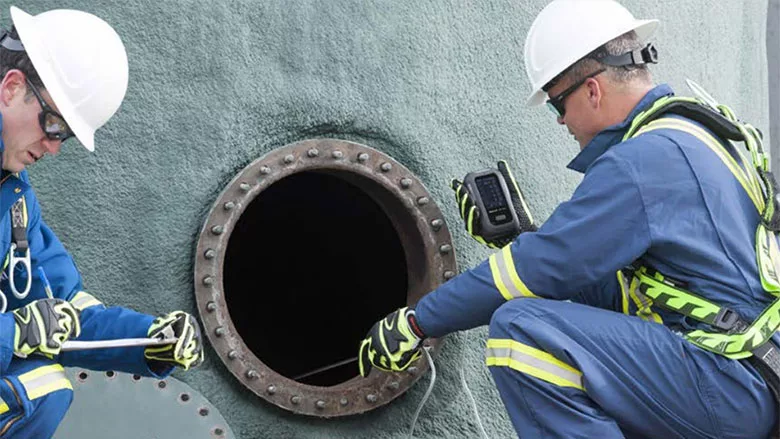
Photo: BW Technologies by Honeywell
Each day, oil and gas workers face a gauntlet of life-threatening hazards that demand constant vigilance. From toxic gas exposure and high-pressure equipment to confined spaces and the ever-present risk of fires and explosions, the dangers are as diverse as they are severe. While advancements in gas monitoring technology have tempered many of these dangers with innovative features that enable early detection and response, not all job sites are the same, and neither are the risks.
To truly safeguard workers, gas detectors must be tailored to the specific needs of each individual and work environment. Below, we explore the features of modern gas detectors and walk you through some best practices for tailoring them to your unique operational challenges and needs.
Key Customization Options for Gas Detectors
While modern gas detectors offer versatile solutions right out of the box, tailoring them to meet the specific demands of diverse work environments and tasks can significantly enhance worker safety.
Below are the key components and features you can customize to fit specific needs:
- Sensors: Modern gas detectors are preconfigured with a combination of sensors to address standard industrial requirements and offer a versatile baseline for diverse applications. Premium solutions, for example, can simultaneously detect up to six gases, including combustible gases, carbon monoxide (CO), hydrogen sulfide (H2S), oxygen-deficient or enriched atmospheres, and various volatile organic compounds (VOCs).
- Alarm Settings: Gas detectors typically include visual, audible, and vibrating alarms to alert workers to dangerous conditions. Users can set specific trigger points based on the permissible exposure limits for different gases. They may also configure variable alerts, such as alarm volumes, flashing LED lights, and vibrating patterns to ensure workers are notified of relevant environmental changes regardless of their surroundings or sensory limitations.
- Housing and Ergonomics: Gas detectors often offer optional housings and ergonomic features to enhance durability, accessibility, and user comfort. For example, devices designed for rugged environments usually feature reinforced or shock-resistant housings, allowing them to withstand extreme temperatures, water exposure, or heavy impacts. Meanwhile additional features like belt clips and wrist straps can improve portability and minimize interference with certain tasks and movements.
- Wireless Connectivity: Advanced gas detectors with wireless connectivity offer a powerful way to enhance safety and communication in dynamic work environments. These devices transmit real-time data, such as gas concentrations, alarm status, and worker location, to centralized monitoring systems or mobile devices. This capability allows supervisors and safety teams to track conditions remotely, enabling faster responses to potential hazards.
By customizing these elements to specific tasks and work environments, teams can proactively enhance coordination, improve situational awareness, and strengthen the overall safety of their oil and gas operations.
Best Practices for Customizing Gas Detectors
Customizing gas detectors effectively requires a strategic approach that aligns with the unique challenges of specific work environments. Here are some essential guidelines:
Conduct a Job Hazard Analysis
Before customizing gas detectors, conduct a comprehensive hazard assessment for specific tasks and work sites. OSHA recommends breaking tasks into a sequence of steps and identifying the potential hazards associated with each step. Consider the entire environment to uncover every conceivable atmospheric hazard. This assessment helps determine the necessary features and optimal configurations when customizing gas monitoring solutions.
For tasks performed in confined spaces, such as storage tanks or utility vaults, the job hazard analysis (JHA) might reveal risks of low oxygen levels or toxic gases like hydrogen sulfide. Meanwhile, the JHA can help determine if portable or fixed gas detectors will be necessary, how many will be needed, and may identify oil refinery hazards like potential combustible gas leaks or high-level exposure to VOCs. These assessments enable safety managers to equip gas detectors with the appropriate sensors and configure alarms and alerts accordingly.
Collate Worker Feedback
Workers who use gas detectors regularly can provide invaluable feedback for tailoring devices to their specific needs and challenges. For example, those operating in noisy environments might report difficulty hearing audible alarms. Based on this insight, safety managers can configure detectors to provide enhanced visual alerts, such as brighter LED indicators or stronger vibrating alarms, to ensure workers are alerted to dangerous conditions despite auditory limitations.
Workers who use gas detectors regularly can provide invaluable feedback for tailoring devices to their specific needs and challenges.
Meanwhile, workers in confined spaces or on the move may highlight portability issues. To address this, customization could include adding accessories such as wrist straps or belt clips to improve mobility and ease of use.
Consult with Safety Experts
Given the complexity of workplace hazards in the oil and gas industry, consulting authorized gas detector retailers, safety consultants, and manufacturers can help companies select and customize gas monitoring solutions. These safety experts can recommend optimal sensor configurations, alarm settings, and calibration schedules to ensure compliance with industry regulations, maximize worker protection, and provide a more targeted and proactive safety approach.
Here are a few examples:
- Tailored Alert Settings: Safety consultants can help companies align gas detector alerts with operational demands. For instance, alerts can be programmed to send notifications via SMS to on-site workers, emails to management teams for documentation, or integrated safety management platforms for real-time monitoring. Experts can also advise on incorporating GPS tracking into alerts to identify where hazardous conditions have occurred. These options can be particularly vital for large operations or complex worksites where swift responses to localized dangers are critical.
- Advanced Data Reporting and Integration: Experts can recommend the ideal data reporting intervals based on a site's environmental risks and operational needs. While longer intervals might suffice in more stable areas, shorter intervals may be necessary for more critical work sites. Safety consultants can also facilitate integration with existing monitoring software, enabling seamless data collection and analysis across systems.
- Custom Communication Features: For companies managing multiple locations, safety experts can configure communication features to prioritize critical alerts from high-risk areas such as refineries or storage units. These custom configurations help ensure that urgent hazards are addressed first, without overwhelming safety teams with notifications from lower-risk zones. Experts may also help set up centralized hubs to consolidate and analyze data from multiple sites, improving situational awareness and overall safety strategy.
By leveraging the expertise of safety professionals, companies can ensure their gas detectors are customized not only for compliance but also for optimal worker protection and operational efficiency.
Looking for a reprint of this article?
From high-res PDFs to custom plaques, order your copy today!