ISHN logo
search
cart
facebook twitter linkedin youtube
  • Sign In
  • Create Account
  • Sign Out
  • My Account
ISHN logo
  • NEWS
    • Today's News
    • Global Safety News
    • Government Regulations
  • PRODUCTS
    • Product Innovations
    • Featured Products
  • TOPICS
    • Environmental Health and Safety
    • Facility Safety
    • Workplace Health
    • Occupational Safety
    • PPE
    • More Topics
  • CONSTRUCTION
  • TECHNOLOGY
  • COLUMNS
    • Best Practices
    • Dave Johnson: What’s going on
    • Editorial Comments
    • Leading Safety
  • MULTIMEDIA
    • ISHN Podcast
    • Videos
    • Cold Stress Education Quiz
    • Webinars
    • White Papers
  • MORE
    • Buyer's Guide
    • Newsletters
    • Convention Companion
    • Polls
    • Events
    • ISHN Store
    • Sponsor Insights
  • EMAGAZINE
    • eMagazine
    • Archived Issues
    • Contact
    • Advertise
  • JOIN TODAY!
Today's Safety NewsOccupational Safety

Safety in the oil and gas industry, hospitals

Michaels talks to OSHA employees

February 28, 2013

Last month, Assistant Secretary of the Occupational Safety and Health Administration Dr. David Michaels held an OSHA Employees All-Hands Meeting. OSHA employees who were not able to attend the meeting in person were able to participate through the web.

All this week, ISHN will present excerpts from Michaels’ talk at that meeting.

Here is the fourth installment:

Hospitals and healthcare

In hospitals and healthcare facilities, workers are hurt at rates even higher than in construction and manufacturing, and in some cases, at more than double the average for all private industry. Nursing aides, orderlies, and attendants have an incidence rate of musculoskeletal injuries more than six times the average for all industries.

We must address this alarmingly high rate of worker injuries and illnesses by helping hospitals and nursing homes recognize the close link between patient safety and worker safety. We know that managing for worker safety will protect patients, too. The solutions to prevent the widespread injuries from patient handling are at hand-and we applaud those employers that have implemented safe patient handling programs.

Last year we launched a new National Emphasis Program for Nursing and Residential Care Facilities. And we are developing guidance products through a new partnership forged with the government's Centers for Medicare and Medicaid Services' Partnership for Patients. This is a cooperative program created and funded under the Affordable Care Act's CMS Hospital Engagement Network.

Oil and gas drilling

And we are working closely with industries like the oil and gas sector to protect workers as we move toward energy independence.

OSHA and the industry co-sponsored a voluntary safety stand-down in Oklahoma to promote safe work at oil and gas exploration and production sites throughout the state. The event was so successful that we planned additional safety stand downs in Texas, Montana, and North Dakota.

Last summer, NIOSH notified us that their field studies had identified dangerously high airborne silica exposures for workers in some fracking operations. Within one week, we held a teleconference with more than one hundred industry leaders, and quickly developed a joint hazard alert.

Reducing exposures to hazardous chemicals

Even with the progress we have made in Hazard Communication, it is no secret that many of our chemical standards are dangerously out-of-date. We have no Permissible Exposure Limit for most of the thousands of chemicals used in American workplaces, and the vast majority of existing PELS date from the 1960s or earlier.

As the GAO recently reported, the current complexity of the rulemaking process makes it prohibitively difficult to issue new standards in a reasonable amount of time. One of our challenges is to develop news ways to approach these issues, both from the enforcement and standard setting perspectives.

Protecting temporary and contingent workers

But we also know that standards are only effective when they are followed every day, at every work site, for every worker. We at OSHA recognize that temporary and contingent workers must be protected. Employers must provide these workers with a safe workplace.

Employer indifference to the working conditions of many contingent workers is simply unacceptable. While some employers may believe they are not responsible for temporary workers, OSHA requires that employers ensure the health and safety of all workers under their supervision and control.

We need to make it clear to supervisors, staffing and temp agencies, and other employers that even if workers are temporary, they are entitled to the same safety and health rights and should be treated no differently from other workers. OSHA is working with Wage and Hour -our sister agency-on protecting these workers. We have begun reaching out to temporary workers through day labor and construction groups, and as we move forward we must amplify our efforts to ensure that temporary workers are getting the training and information they need to be safe at work.


Tomorrow: Buidling a 21st century worker protection agency

KEYWORDS: hospitals safety workers

Share This Story

Looking for a reprint of this article?
From high-res PDFs to custom plaques, order your copy today!

Recommended Content

JOIN TODAY
to unlock your recommendations.

Already have an account? Sign In

  • forklift safety

    Exploring the latest technologies in forklift safety

    With more staff and more stock in warehousing now more...
    Facility Safety
    By: Josh Cramer
  • welding

    All about welder’s flash or arc eye

    A flash burn is a painful inflammation of the cornea,...
    Environmental Health and Safety
  • dangerous jobs

    The 10 most dangerous jobs in the U.S.

    On-the-job deaths have been rising — hitting the highest...
    Transportation Safety
    By: Benita Mehta
Manage My Account
  • eMagazine Subscriptions
  • ISHN Newsletter & Other Newsletter Alerts
  • Online Registration
  • Manage My Preferences
  • Subscription Customer Service

More Videos

Sponsored Content

Sponsored Content is a special paid section where industry companies provide high quality, objective, non-commercial content around topics of interest to the ISHN audience. All Sponsored Content is supplied by the advertising company and any opinions expressed in this article are those of the author and not necessarily reflect the views of ISHN or its parent company, BNP Media. Interested in participating in our Sponsored Content section? Contact your local rep!

close
  • man wearing the the Sundström SR200 Full Face Mask Respirator
    Sponsored byOHD

    5 Fit Testing Mistakes That Could Cost You

  • This image shows Magid AcuSpex polarized blue mirrored safety glasses.
    Sponsored byMagid Glove and Safety

    Construction PPE Guide: What Crews Need for Each Task

  • lone worker in confined space
    Sponsored byAlphasense Ltd.

    GET THE LEAD OUT of your Safety Oxygen Sensors!

Popular Stories

SpaceX 7 launch

OSHA Investigating Fatal Fall at SpaceX Starbase

Automated loading dock equipment

After March 2026 Rivian Death, Safety Managers Reassess Loading Dock Systems Under OSHA's Warehouse Emphasis Program

psychology in the workplace

Most Workplaces Measure Psychological Safety, Ignoring Psychosocial Risks

top 10 most dangerous jobs

Poll

Seasonal Readiness

With the federal heat stress prevention rule on the horizon, which area of your safety program needs the most attention?
View Results Poll Archive

Products

Surviving an OSHA Audit A Management Guide, 2nd Edition

Surviving an OSHA Audit A Management Guide, 2nd Edition

See More Products

ISHN Podcasts

Related Articles

  • NIOSH to develop best practices in motor vehicle safety in the oil and gas industry

    See More
  • gas detection

    How to Customize Gas Detectors for Optimal Safety in the Oil and Gas Industry

    See More
  • health and safety in oil and gas

    Safety first: Protecting workers in the oil and gas industry as fatalities and injuries are on the rise

    See More

Related Products

See More Products
  • fearless world.jpg

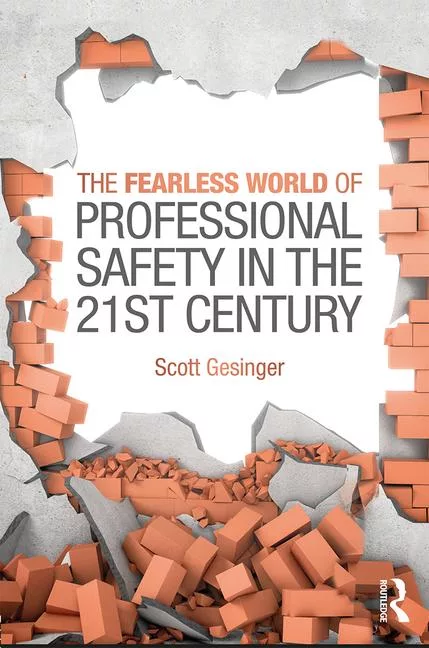
    The Fearless World of Professional Safety in the 21st Century

  • 1119906652.webp

    Alive and Well at the End of the Day: The Supervisor's Guide to Managing Safety in Operations, 2E

See More Products

Related Directories

  • Knight Fire Specialsts LLC

    Knight Fire Specialists, LLC is a fire suppression company dedicated to serving the Oil and Gas Industry. Established in January of 2017 as a direct result of a personal experience by our founder and CEO, Stephen Knight. It has become our mission to protect personnel and investments to the greatest extent possible. Together, with a combined experience of 35 years in the Oil and Gas Industry, our leadership team has an unparalleled knowledge of what is required to take the safety of an operation to the next level. We are confident that with our knowledge and experience ranging from safety consulting to firefighting, combined with our vast industry contacts and broad network of resources we will continue to experience rapid growth providing services to the Oil and Gas Industry.
×

Become a Leader in Safety Culture

Build your knowledge with ISHN, covering key safety, health and industrial hygiene news, products, and trends.

JOIN TODAY
  • RESOURCES
    • Advertise
    • Contact Us
    • Directories
    • Manufacturing Division
    • Store
    • Want More
  • SIGN UP TODAY
    • Create Account
    • eMagazine
    • Newsletters
    • Customer Service
    • Manage Preferences
  • SERVICES
    • Marketing Services
    • Reprints
    • Market Research
    • List Rental
    • Survey/Respondent Access
  • STAY CONNECTED
    • LinkedIn
    • Facebook
    • YouTube
    • X (Twitter)
  • PRIVACY
    • PRIVACY POLICY
    • TERMS & CONDITIONS
    • DO NOT SELL MY PERSONAL INFORMATION
    • PRIVACY REQUEST
    • ACCESSIBILITY

Copyright ©2026. All Rights Reserved BNP Media, Inc. and BNP Media II, LLC.

Design, CMS, Hosting & Web Development :: ePublishing