Decoding Dust: How to Identify and Mitigate Hazards Related to Explosions

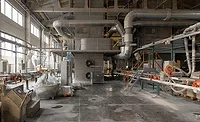
Photo: sturti / E+ / Getty Images
Dust explosions are sudden, violent blasts that occur when fine combustible particles suspended in the air ignite under the right conditions. These incidents can happen in a wide range of industries — such as food processing, metalworking, woodworking, and chemical manufacturing — where materials like grain, flour, sugar, aluminum, coal, and even plastic can become explosible in dust form. Even materials that don’t usually burn in larger pieces, like aluminum or iron, can be explosible under certain conditions.
These conditions, known as the Dust Explosion Pentagon, refer to the interplay of five critical elements that must coincide for a dust explosion to occur: fuel, oxygen, ignition, dispersion, and confinement. Imagine a bakery where flour dust is suspended in the air, and an overheating motor creates sparks. The dust cloud ignites, the pressure builds, and within moments, an explosion devastates the facility.
Dust explosions don’t just damage equipment — they injure workers, destroy facilities, and cost lives. In 2022 alone, 163 fires, 50 explosions, 89 injuries, and 49 fatalities resulted from combustible dust incidents, underscoring the hazards many workplaces continue to face. These alarming numbers highlight the critical need for industries to address the dangers posed by combustible dust.
NFPA 660 Standard for Combustible Dusts and Particulate Solids
The updated NFPA 660 Standard for Combustible Dusts and Particulate Solids, released in 2025 by the National Fire Protection Association, combines the NFPA 652 Combustible Dust Standard with other industry-specific guidelines (including NFPA 61, 484, 654, 655, and 664) to streamline requirements, reduce redundancy, and simplify compliance across industries.
NFPA 660 provides comprehensive guidelines for identifying combustible dust hazards, performing Dust Hazard Analyses (DHAs), implementing fire and explosion protection measures, and ensuring adequate employee training. Below, we unpack this updated standard to help you protect your workers and investments from dust explosion hazards.
Here are some actionable steps to help you comply with NFPA 660 and protect your workers:
Identify and Assess Combustible Dust Hazards
Begin by identifying which materials in your facility can generate combustible dust when processed, handled, or stored. Use Safety Data Sheets (SDSs) and historical data as a guide, and send samples for laboratory testing to determine ignition sensitivity, explosibility (Kst), and concentration thresholds. These data points help determine the appropriate engineering and administrative controls needed to minimize risks.
Conduct a Dust Hazard Analysis (DHA)
Once you’ve identified which dusts are hazardous, the next step is conducting a Dust Hazard Analysis (DHA). Under the NFPA 660, companies must perform a systematic, process-specific DHA to identify areas and processes where combustible dust may present a fire, flash fire, or explosion hazard. This includes locating where combustible dust accumulates, where potential ignition sources exist, and where confinement could occur.
According to the updated standard, the DHA must be performed by a qualified person with documented experience and education regarding DHAs. Facilities that generate or handle combustible dust must complete an initial DHA and update it every five years or whenever significant process changes occur. This proactive approach helps companies stay ahead of potential risks and avoid reactive safety measures after an incident occurs.
Implement Controls to Minimize Dust Explosion Risk
NFPA 660 outlines engineering and administrative controls to reduce the likelihood of dust explosions. Here’s an overview of actionable steps you can take:
- Ventilation and Dust Collection Systems: Implement and regularly maintain systems designed to capture dust at its source and prevent its accumulation in the workplace. Incorporate features like explosion isolation (e.g., rotary valves, choke flanges) and explosion venting (e.g., rupture panels) on dust collectors and related equipment. These measures work together to protect employees, machinery, and facilities by containing and mitigating the impact of potential explosions.
- Process Equipment: Choose machinery specifically designed to generate minimal dust during operations. For instance, enclosed conveyors, sealed mixers, or dust-free packaging systems can significantly limit dust creation and escape. Operate equipment within its optimal parameters to avoid wear and tear that could lead to overheating, friction, and other potential ignition sources.
- Housekeeping Programs: Develop a routine schedule for cleaning all areas prone to dust accumulation. Frequency should be based on the rate at which dust accumulates and the hazards identified during the DHA. High-risk areas, such as machinery with moving parts or confined spaces, may require daily cleaning, while others can be managed weekly or monthly.
- Detailed Procedures: Develop written procedures for safely handling, cleaning, and maintaining systems involving combustible dust. These should be tailored to your facility's specific materials and operations and written in clear, simple language. Use diagrams or visual cues where applicable to enhance understanding, especially for workers with varying experience levels.
Your systems are only as strong as the people operating them, and ongoing training can save lives.
Train Employees and Build Awareness
Educate employees on how to spot dust hazards, follow safety protocols, and respond to incidents. Your systems are only as strong as the people operating them, and ongoing training can save lives. Under NFPA 660, employees working in or near areas with potentially hazardous dust must receive comprehensive training to ensure safety and preparedness. Key training components include:
- Recognizing signs of dust buildup that could lead to explosions or fires.
- Understanding and adhering to protocols that minimize risks during routine tasks and operations.
- Knowing how to act quickly and effectively in the event of a dust-related incident.
Training should be continuously and meticulously documented, especially when new equipment or materials are introduced, or operational processes change. Regular updates and refreshers help reinforce safe practices and maintain employee awareness.
Maintain Documentation
Maintain clear documentation of DHA, safety controls, inspections, and employee training. This not only aids in internal risk management but is also critical during audits or OSHA inspections. Proper documentation underscores the facility's dedication to protecting workers and adhering to industry standards.
Preparing for Compliance
NFPA 660 is designed to bring clarity and consistency to combustible dust safety. For facilities that previously referenced NFPA 652 and other individual standards, transitioning to NFPA 660 may require reviewing existing DHAs, updating safety protocols, and retraining staff to align with the consolidated requirements.
To facilitate compliance and ensure your employees are protected, we recommend working with certified fire protection engineers, industrial hygienists, or safety consultants.
Looking for a reprint of this article?
From high-res PDFs to custom plaques, order your copy today!