8 Visual Communication Strategies Preventing Critical Safety Incidents
Credit: Getty Images
Visual communication for safety is essential in high-risk environments where there is no time for confusion or second-guessing. From factory floors to construction zones, workers rely on clear visuals to understand where to go, what to avoid and how to act quickly. These tools help build instant awareness and promote safer behaviors.
They also support faster decision-making during emergencies and reduce the risk of miscommunication, especially in noisy or multilingual workplaces. Using strong visual cues allows companies to reinforce safety procedures, improve compliance and create a more responsive workforce.
Use Color-Coded Signage for Instant Recognition
Red, yellow, orange, green, and blue each carry specific meanings that reinforce urgency, caution or instruction in industrial settings. Red signals immediate danger and is often used on fire equipment or emergency stop buttons. Yellow and orange highlight general warnings and moderate hazards, such as trip zones or high-noise areas. Green typically points to safety equipment or first aid, while blue provides mandatory action instructions like “wear hearing protection.”
OSHA recommends this standardized color scheme for safety and health tags to maintain workplace consistency. For maximum impact, these visuals should be at eye level and close to the hazard itself. Proper placement and color usage help workers react quickly and correctly, especially during high-pressure moments.
Display Digital Dashboards with Live Safety Metrics
Digital dashboards influence visual communication for safety by making real-time data accessible and actionable across the workplace. These screens display current status, near-miss counts, personal protective equipment (PPE) compliance rates, and other performance metrics that keep teams informed and engaged.
Instead of relying solely on reports or verbal updates, workers can instantly see how their actions contribute to overall goals. This level of visibility reinforces accountability and encourages proactive habits on the floor. It also helps managers spot trends and address issues before they escalate.
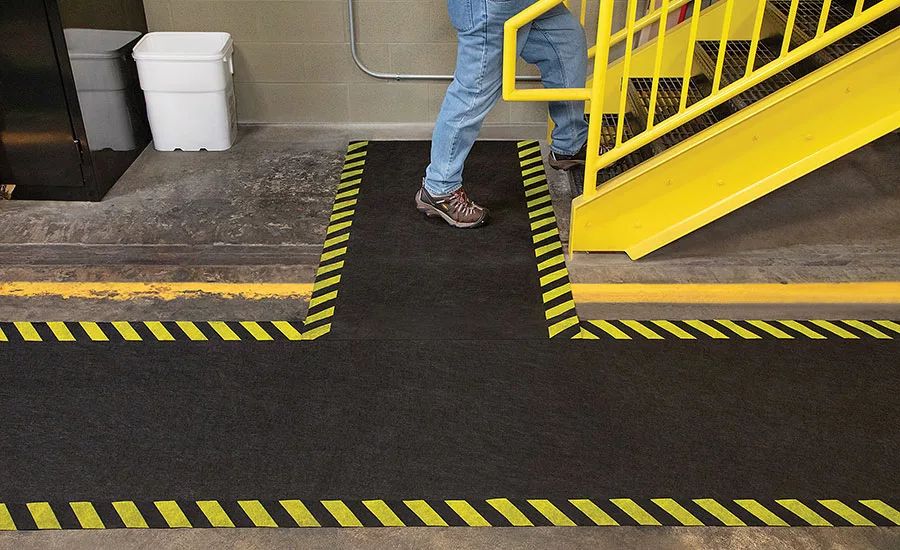
Implement Floor Markings for Traffic Flow and Hazard Zones
Marking walkways, forklift lanes, and loading zones helps guide foot and vehicle traffic while reducing the risk of collisions. These visual boundaries create an organized layout where everyone knows where it is safe to walk and where caution is required.
In many workplaces, physical barriers divide areas with constant, high-risk exposure and those that should remain safer by design. Floor markings reinforce these zones, making the separation more visible and easier to respect. This approach ties directly into lean practices, where efficiency and safety go hand in hand through clear, standardized visuals that reduce confusion and promote flow.
Standardize Safety Labels and Symbols
Standardized labels are crucial when teams speak different languages or work under pressure. By using ISO-compliant labels with universal icons, companies ensure every worker can quickly understand critical warnings or instructions, regardless of background. This promotes clear communication across the board and reduces the chance of misinterpretation in high-risk situations.
For added durability, many pros choose polycarbonate or polyester labels with a hard coating that resists scratches under regular use and minimizes glare. These features help maintain visibility over time, even in harsh conditions. Consistency in labeling strengthens compliance and helps everyone on the floor interpret signs similarly, which creates a more predictable and safer work environment.
Introduce Visual Lockout/Tagout Aids
Lockout-tagout procedures rely heavily on visual communication for safety. They use color-coded tags and lock indicators to show when a machine is undergoing maintenance. These visuals are a universal signal that equipment must not be powered on, which helps prevent accidental restarts that could lead to serious injury.
Bright colors and bold warnings catch attention quickly, even in busy or loud environments. This system also reinforces training by giving workers a clear visual reminder of the protocol. When everyone can easily recognize when a machine is locked out, it reduces guesswork, boosts compliance and strengthens the safety culture on the floor.
Use Infographics for Safety Procedures and Protocols
Visual checklists are effective when dealing with multi-step procedures that require accuracy and consistency. By breaking down complex tasks into clear, visual sequences, teams can quickly understand what is required without relying on lengthy text or prior knowledge.
These visuals support better learning and recall because they increase visibility and make information easier to absorb at a glance. When placed in toolboxes, control rooms or training areas, they are constant prompts that reinforce best practices. This helps with faster decision-making and ensures protocols are followed correctly, reducing the likelihood of errors and improving performance.
Add Visual Reminders for PPE Compliance
PPE reminders like posters, mirror decals and entry zone icons are essential in environments where protective gear is critical. These visuals are last-minute prompts that reinforce what equipment is required before a worker steps into a hazardous area. The right visual cue helps ensure no step is missed, whether it is hard hats, gloves or respirators.
OSHA also requires employers to establish and implement a written respiratory protection program that outlines procedures for properly using respirators, including during routine tasks and foreseeable emergencies. Making these expectations visible and easy to follow reduces PPE noncompliance and encourages stronger personal safety habits across the team.
Apply Visual Hierarchy in Emergency Evacuation Maps
Emergency evacuation maps are designed to guide staff quickly and clearly during high-stress situations. Bold headings, directional arrows and prominently marked emergency exits help ensure no time is wasted trying to figure out the best route to safety.
Visibility and simplicity are essential. When adrenaline is high, clear visuals cut through the chaos. To make these maps truly effective, they should be integrated into regular drills and training sessions. Hence, employees build muscle memory and instinctively know where to go. The more familiar teams are with the layout and visual cues, the faster and more confidently they can respond when every second matters.
Why Regularly Updating Visuals Can Save Lives
Safety professionals should regularly audit their current visuals to ensure they are clear, accessible and aligned with the latest compliance standards. Investing in strong visual communication for safety can be lifesaving. Upgrading outdated or unclear visuals helps prevent critical incidents and builds a safer, more responsive workplace.
Looking for a reprint of this article?
From high-res PDFs to custom plaques, order your copy today!


.webp?t=1721257160 "download (1).jpg")