What Are the Most Dangerous Occupational Health Risks Worldwide?
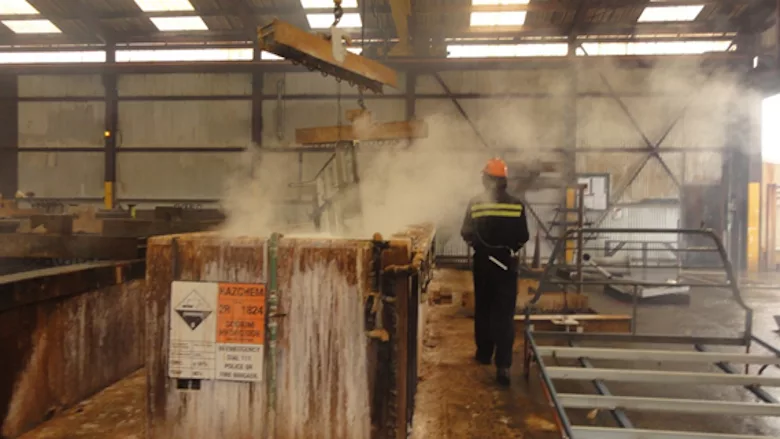
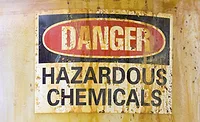
Chromic acid vapor from hexavalent chrome plating operation.
Occupational health hazards remain a pressing global concern. Each year, millions of workers face serious illnesses or fatalities due to a wide range of workplace dangers. This essay examines the most severe occupational health risks—including traditional threats like chemical and ergonomic exposures, and emerging climate-related dangers—to highlight the urgent need for protective administrative and engineering control measures and policies.
1. Overwork and Long Working Hours
According to both the World Health Organization (WHO) and International Labour Organization (ILO) excessive working hours, especially more than 55 hours per week, is a lethal hazard. In 2016, the combination of cardiac stroke and ischemic heart disease due to long hours accounted for approximately 745,000 deaths globally, marking a 29% increase since 2000.
This work-related disease burden is particularly significant in men (72% of deaths occurred among males), people living in the Western Pacific and South-East Asia regions, and middle-aged or older workers. Most of the deaths recorded were among people dying aged 60-79 years, who had worked for 55 hours or more per week between the ages of 45 and 74 years.
2. Chemical and Airborne Hazards
Chemical Exposures
Exposure to harmful substances such as asbestos, silica, and diesel exhaust remains a major occupational threat. The Global Burden of Occupational Disease estimates 2.3 million work-related deaths annually, of which 2 million are due to disease. Notably:
- Cancer: ~660,000 deaths (primarily due to asbestos exposure)
- Circulatory diseases: ~23% of occupational disease burden
- Occupational exposures cause about 489,000 cancer deaths annually, from:
- Asbestos (~180,000 deaths)
- Diesel exhaust (~120,000 deaths)
- Crystalline silica (~86,000 deaths)
- Secondhand smoke (~96,000 deaths)
The ILO and the WHO have been key players in the effort to enumerate this issue.1 They estimate that globally there are about 2.0 million deaths annually attributable to various types of work due to occupational disease. Overall, cancer forms the largest component (32%) followed by work-related circulatory diseases (23%).
Takala et al., 2012, provide an overview of data on employment and occupational mortality and morbidity, publicly available literature and reports on occupational burden of disease.2 The WHO has conducted Comparative Risk Assessments (CRA) to estimate burden of disease as part of the Global Burden of Disease (GBD) project. The first occupational estimates included only lung cancer (8 lung carcinogens), mesothelioma and leukemia and estimated globally that there were 152,000 deaths annually from occupational cancers (lung cancer 102,000; leukemia 7,000; mesothelioma 43,000) and nearly 1.6 million DALYs originating from both lung cancer and mesothelioma.3 Asbestos exposure causes mesothelioma and other lung diseases in construction, demolition and renovation workers.
Occupational Lung Diseases
Black lung disease, caused by prolonged coal and silica dust exposure, results in ~25,000 global deaths yearly as of 2013.
Silicosis affects workers in mining, construction, sandblasting, and stone fabrication; China reported over 24,000 silicosis deaths annually (1991-1995). In the United States it is estimated that 59,000 will develop silicosis in their lifetime.
A British occupational cancer burden study and included 14 carcinogens (IARC group 1) (compared with 30 group 1 carcinogens and 10 group 2A carcinogens in the British study) related to seven cancer types—kidney (trichloroethylene), lung (arsenic, asbestos, beryllium, cadmium, chromium VI, diesel engine exhaust (DEE), second-hand smoke (from tobacco smoking), nickel, polycyclic aromatic hydrocarbons (PAHs), crystalline silica), larynx (asbestos, strong inorganic-acid mists), leukemia (benzene, formaldehyde), mesothelioma (asbestos), nasopharynx (formaldehyde) and ovary (asbestos).
Chemical Hazards Beyond Cancer
Workplace exposure to substances like lead, benzopyrenes, TCDD (dioxin), and others links to heart disease, stroke, and reproductive disorders.
Inorganic lead is associated with cardiovascular and reproductive effects. Workers with elevated blood lead levels face significantly higher heart disease and stroke risks—2 to 5 times greater compared to individuals with lower lead levels. Occupational lead exposure is strongly associated with hypertension, coronary heart disease, and arterial stiffness. Lead can impair reproductive health in both sexes. In men inorganic lead exposure can reduce libido, decline sperm count, motility, and morphology. In women, inorganic lead exposure is linked to menstrual disruptions, delayed conception, adverse pregnancy outcomes, and fertility decline.4
While primarily associated with cancer, benzo[a]pyrene (BaP) also has reproductive effects: resulting in decreased testicular and epididymal function, lowering testosterone and sperm production. Though direct human data on heart disease and stroke is limited, benzopyrenes are recognized occupational cardiovascular hazards.
TCDD (Dioxin) is also associated with cardiovascular and reproductive effects. In males, early-life exposure—especially prepubertal—to TCDD impairs semen quality long-term, reducing sperm concentration and motility. In females, animal studies show that TCDD disrupts ovarian function, delays puberty, alters hormone production, and reduces fertility. Effects can even span multiple generations.
Animal experiments indicate lifelong TCDD exposure decreases exercise capacity, potentially due to cardiac and mitochondrial dysfunction, suggesting a long-term cardiovascular impairment. Occupational exposure to phenoxy herbicides that contain TCDD has also been associated with heart disease and stroke.5
Arsenic, carbon disulfide, carbon monoxide, metalworking fluids, and tobacco smoke exposure are also connected with increased heart disease and stroke risk in occupational settings. Exposure to crystalline silica dust, welding fumes (e.g., chromium, nickel, lead, beryllium, manganese, cobalt, lead and cadmium), engine exhaust, and other similar hazards further contributes to cardiovascular risk. Reproductive toxicants aren’t limited to those discussed; pesticides and carbon disulfide, among others, are linked to hormone disruption, menstrual dysfunction, miscarriage, and infertility
3. Heat Stress and Climate-Related Hazards
Heat Stress: A Global Epidemic
Over 2.4 billion workers—about 71% of the global workforce—are subjected to excessive heat annually, resulting in ~23 million occupational injuries and ~19,000 deaths each year.
The ILO also reports in 2020 approximately 18,970 fatalities and 22.87 million injuries attributed to heat exposure. Productivity drops by 2–3% for every degree Celsius above 20 °C wet-bulb globe temperature.
Regional and Economic Impacts
In regions like Africa, Asia, and the Arab states, exposure rates exceed the global average (e.g., 92.9% in Africa). The projected economic losses due to heat may reach $2.4 trillion annually by 2030. As an example of heat-related disease, chronic kidney disease of non-traditional origin (CKDnt) is emerging among outdoor laborers—especially in tropical regions—and is now recognized as a climate-induced occupational disease.
There is increasing interest in evaluating the financial impact of work-related disease and cancer to both workers and industry and incorporating this information into decision-making models. The European Union (EU) have used results from a socio-economic health and environmental impact assessment of introducing binding occupational exposure limits (OEL) for 25 workplace carcinogens to inform, together with other data, to make changes to EU legislation. Source: Oye Trade IT Division of SA International
Mitigation and Guidance
WHO and WMO issued new guidance in August 2025, calling for occupational heat action plans, awareness training, and stakeholder collaboration, particularly for vulnerable groups and developing countries.
4. Other Climate-Driven Dangers: UV, Air Pollution, and Vector-Borne Diseases
The ILO reports that over 70% of the global workforce will likely face exposure to UV radiation, air pollution, and other climate-related hazards in their careers. These exposures have been linked to serious outcomes including cancer, cardiovascular and respiratory diseases, and mental health issues. With climate change intensifying, vector habitat zones are expanding, workplace air quality is worsening, and UV exposure is increasing—making occupational health risks more complex and pressing. The ILO warns that climate change creates a “cocktail of hazards,” with:
- 1.6 billion workers exposed to UV radiation, causing tens of thousands of skin cancer deaths annually.
- 1.6 billion workers exposed to outdoor air pollution, contributing to up to 860,000 deaths each year.
- 870 million agricultural workers exposed to pesticides—leading to 300,000 pesticide-related deaths annually.
- 15,000 deaths annually due to vector-borne and parasitic diseases.
Ultraviolet (UV) Radiation: A Hidden Occupational Cancer Burden
In 2019, an estimated 1.6 billion workers Almost 19,000 deaths in 183 countries were attributable in that year to non-melanoma skin cancer caused by occupational sun exposure—nearly 28% of working-age adults—were exposed to solar UV radiation at work globally.6
It is estimated that outdoor workers face a 60% higher relative risk of non-melanoma skin cancers compared to indoor workers. Outdoor workers in industrial sectors like forestry, agriculture, and emergency response face heightened risks from expanding disease vectors, wildfires, extreme weather, and heat combined with pollution.
Air Pollution: A Leading Occupational Risk Factor
Air pollution is linked to approximately 7 million premature deaths annually, roughly one in eight deaths worldwide. Cardiovascular implications indicate that air pollution contributes to ~27% of global strokes and ~28% of coronary heart disease deaths. Fine particulates (like PM₂.₅) and gases (NO₂, CO, ozone) contribute to systemic inflammation and vascular harm. Outdoor and industrial workers—such as construction laborers, traffic police, and farmers—often face elevated levels of inhaled pollutants, intensifying risks for lung disease, heart disease, stroke, and cancers.
Vector-Borne Diseases: Climate-Driven Risks for Outdoor Workers
Climate impacts on disease vectors are associated with rising temperatures and shifting precipitation patterns are expanding habitats for mosquitoes, ticks, and other carriers—boosting disease transmission potential.7 Outdoor workers—like those in agriculture, forestry, construction, and emergency response—are at increased risk of exposure to diseases such as malaria, dengue, West Nile virus, Lyme disease, and coccidioidomycosis (Valley fever).
Summary Table: Key Occupational Environmental Risks
Hazard Type |
Exposed Worker Groups |
Health Impacts |
UV Radiation |
Outdoor workers (construction, farming) |
Non-melanoma skin cancer (~19,000 deaths annually); 60% higher risk |
Air Pollution |
Outdoor and industrial workers |
Stroke, heart disease, lung cancer, COPD |
Vector-Borne Diseases |
Outdoor workers (agriculture, forestry) |
Malaria, dengue, Lyme, Valley fever; reduced productivity/economic loss |
Workplace exposure to UV radiation, air pollution, and vector-borne diseases represents a significant and growing component of global occupational health burdens. Their impacts extend beyond acute illness to long-term disease, mortality, and societal costs—especially in vulnerable worker populations.
5. Ergonomic, Physical, and Psychosocial Risks
Landmark research by WHO and ILO highlights long working hours as the leading occupational risk factor, responsible for ~745,000 deaths from ischemic heart disease and stroke in 2016. Other hazards include falls, noise, and ergonomic injuries—for instance, occupational hearing loss is extremely common, especially in manufacturing.
Conclusion: A Multifaceted Crisis
Occupational health risks are both deep-rooted—like chemical exposures and overwork—and rapidly evolving due to climate change, such as heat, UV exposure, and vector expansion. Together, these risks account for millions of injuries, tens of thousands of deaths, and substantial economic losses annually.
Mitigating these threats demands urgent, multifaceted responses:
- Enforceable regulations (e.g., heat exposure standards)
- Workplace redesign and protective measures
- Worker training and disease monitoring
- Global collaboration, especially in vulnerable regions
Protecting worker health is not just a moral imperative, it’s essential for global well-being, human performance, and productivity.
References
Rushton L. The Global Burden of Occupational Disease. Curr Environ Health Rep. 2017 Sep;4(3):340-348.
Takala J, Hamalainen P, Saarela KL, Yun LY, Manickam K, Jin TW, et al. Global estimates of the burden of injury and illness at work. J Occup Environ Hyg. 2012;11:326–337.
Driscoll T, Nelson DI, Steenland K, Leigh J, Concha-Barrientos M, Fingerhut M, et al. The global burden of disease due to occupational carcinogens. Amer J Indust Med. 2006;48:419–431.
Kumar S. Occupational and Environmental Exposure to Lead and Reproductive Health Impairment: An Overview. Indian J Occup Environ Med. 2018 Sep-Dec;22(3):128-137.
Aldeli N, Murphy D, Hanano A. Impact of dioxins on reproductive health in female mammals. Front Toxicol. 2024 May 7;6:1392257.
Working under the sun causes 1 in 3 deaths from non-melanoma skin cancer, say WHO and ILO, Nov 2023. https://www.who.int/news/item/08-11-2023-working-under-the-sun-causes-1-in-3-deaths-from-non-melanoma-skin-cancer--say-who-and-ilo?utm_source=chatgpt.com
Bennett CM, McMichael AJ. Non-heat related impacts of climate change on working populations. Glob Health Action. 2010 Dec 17;3.
Looking for a reprint of this article?
From high-res PDFs to custom plaques, order your copy today!