Occupational Health Risks Rise as Homes Age
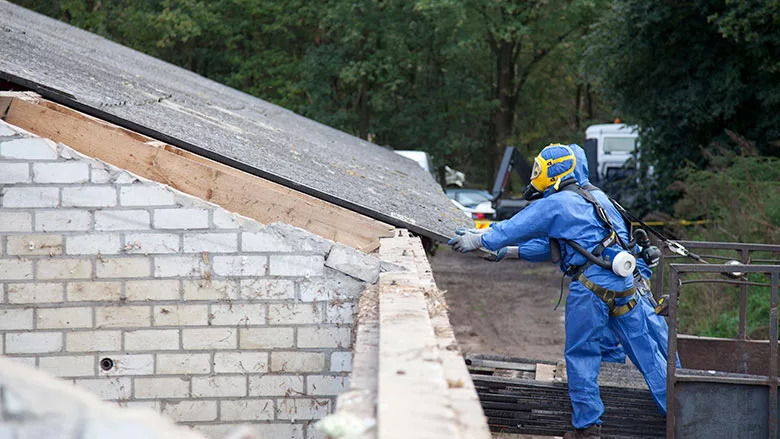
There’s something nostalgic about older homes — the creaky floors, detailed woodwork, and classic architecture exude charm and character. Older, deteriorating homes pose potential serious occupational health risks — not only to their occupants, but also to the maintenance and repair workers, inspectors, and contractors who enter them.
Across the nation, and especially here in Philadelphia and New York City, homeowners are increasingly struggling to maintain and repair aging homes that are withering, crumbling, and forcing homeowners to exist in near-unlivable conditions.
What was once considered state-of-the-art in the 1950s, ’60s, or ’70s can now be outdated or outright dangerous. And because these issues often go unnoticed for years, they can cause silent harm before anyone realizes what’s happening. From harmful building materials to poorly ventilated systems, older homes demand a closer look if you want to live safely within them. Here’s a breakdown of the most critical hazards, supported by global data and best-practice guidance.
In New York City, where a seven-story apartment building partially collapsed in December 2023, the median building age is about 90 years, and many neighborhoods were built before 1900. According to the National Association of Home Builders, the average age of the U.S. home is 40 years old, up from 31 years old 15 years ago. Homes tend to be the oldest in the Northeast, Mid-Atlantic states and along the Appalachian Mountains. Repair costs are rising, and homeowners face $100 billion in needed maintenance, according to the Federal Reserve Bank of Philadelphia.1
Key Occupational Exposures in Crumbling Older Housing
Asbestos: Why is it dangerous? It is found in materials like insulation, ceiling tiles, roofing, plaster, and joint compounds in older homes. When disturbed during renovation or repair, asbestos fibers become airborne, posing lethal carcinogenic risks. Scope of harm: Globally responsible for roughly 255,000 deaths annually, including lung cancers and mesothelioma, with no known safe exposure level.
Aging water infrastructure is increasing the risks of contamination, service disruptions, and health hazards like lead exposure.
Inorganic Lead: Sources are found in old homes from lead-based paint, plumbing solder, water pipes, and contaminated dust — common in homes built before lead restrictions. Impact on workers: Construction workers, particularly, may carry lead dust home on clothing — resulting in contamination of vehicles and residences. A study found surface lead levels up to 10 times higher in such scenarios. Aging water infrastructure is increasing the risks of contamination, service disruptions, and health hazards like lead exposure.
Volatile Organic Compounds (VOCs) and Crystalline Silica Dust
VOCs: Wet-applied materials like paints, adhesives, and sealants release VOCs that irritate the respiratory and nervous systems, and some are carcinogenic.
Silica dust: Common in older homes with stone or masonry. Respirable crystalline silica leads to silicosis and lung damage, most prevalent in construction and renovation work.
Radon Gas: Invisible but deadly: A naturally occurring radioactive gas that can seep into basements — especially in cracked or poorly maintained foundations. Health impact: Estimates point to 7,000 to 30,000 lung cancer cases annually in the U.S. from radon alone.
Indoor Air Quality and Biological Hazards: Mold, pests, allergens: Aging homes often suffer from poor ventilation, accumulated moisture, and structural disrepair that foster mold, rodent droppings from pest infestations, and allergens. Worker risks: Healthcare and home visitors frequently encounter slips, trips, mold contamination, poor lighting, and cramped spaces — raising musculoskeletal and respiratory hazards.
Structural Hazards: Crumbling roofs, sagging floors, deteriorating plumbing, and overall compromised structural integrity pose serious mechanical danger — collapses, falls, or injuries from debris. A striking example from Philadelphia and NYC highlights both homeowner and worker risks in such dire living conditions.
Low or Missing Outdoor Lighting: Many older homes have little or no lighting outside. Dim walkways, porches, and driveways make it hard to see at night, increasing the risk of trips, falls, or even break-ins.2
Carbon Monoxide: Carbon monoxide (CO) is an odorless, colorless gas formed by the incomplete combustion of fuels. Carbon monoxide is generated as a byproduct from appliances that burn oil, gas or coal stoves. Normally emissions vented out of the house cause no concern. However, a damaged heater or a clogged chimney flue may stop proper ventilation and cause the gas to accumulate inside the house. The risk of monoxide poisoning is heightened in old houses since they tend to have older furnaces and chimneys in need of maintenance or repair.3
Why This Matters
Legacy exposures persist globally, especially in lower-income and older urban areas.
Occupational risk stems from both environmental and structural decay — ranging from subtle toxic dust to catastrophic collapse.
Secondary contamination: Workers can unintentionally transport hazardous materials like lead or asbestos back to their families without awareness or training.
Policy gap: While guidance exists for new construction, enforceable safety standards often lag for repairs in aging housing stock — making education, PPE, and hazard control vital.
Case Studies
These stories were first reported in The Washington Post. Even as her pre-World War II-era house falls apart around her, Bernadette Reese-Hobson tries not to feel “like a failure of a homeowner.” Her home is still her refuge, giving her space to sip tea while staring at family photographs that line the walls.
But there is a trash-can-size hole in her living room ceiling, caused by water that continually drips on piles of dank plaster and crumbled wooden beams on the floor. A gaping hole in her basement water heater spills even more water onto her belongings. And when Reese-Hobson steps into her shower, she fears she could fall through the wobbly floor because the pipes underneath her are corroded.
Philadelphia, one of the nation’s oldest cities, has emerged as an epicenter for the problem and the debate about whether government can or should step in. City records show 40 percent of houses in the city were built before 1939 with nearly two-thirds built before 1954.
Philadelphia also has a homeownership rate that far outranks most other major East Coast cities — about 53 percent, according to Pew Charitable Trusts. But Philadelphia ranks as the “poorest big city” in the nation with about one in five residents living in poverty.
“It’s the perfect chaos for a storm for upkeep” of properties, said Angela D. Brooks, Philadelphia’s chief housing and urban development officer. “You have people who have the benefit of being able to afford a house, or maybe they inherited it, but they don’t quite have the money to do even basic systems repair.”
In another case, Reese-Hobson, who lives in Philadelphia’s Mount Airy neighborhood, purchased her three-bedroom rowhouse in 2001 for $75,000. A single mother who never recalls earning more than $1,600 a week, Reese-Hobson said the property was her life goal as it provided a stable upbringing for her three children. City records show the house was built between 1934 and 1942. The house includes a quaint living room with a fireplace, a dining room, hearty wooden stairs, and a second-floor bathroom with a stand-alone tub and a separate shower.
But about five years ago, a bathroom pipe burst, and she was unable to pay for repairs. She watched for years as the water dripped into her living room and the hole in the ceiling continued to expand. Other elements of her plumbing system also failed. The faucet in her bathtub now runs continually, and the water has seeped throughout the foundation of the house, causing the ceiling above her living room to also sag.
Meanwhile, another water leak in the kitchen has caused the floor to buckle and become covered in rust and mildew. The problems in the kitchen also degraded the stove, causing the local gas company to cut off service to her home, Reese-Hobson said. Coming up with money to fix the problem became impossible, especially after she retired last year due to chronic weakness. Reese-Hobson’s autistic 37-year-old son lives in the house and receives about $1,300 a month in Social Security due to his disability. About half of their combined income pays the $1,000 a month mortgage and utility bills.
She has thought about selling the house, even for less than she paid for it, but worries she wouldn’t be able to find a rental unit as cheap as her mortgage. For now, Reese-Hobson said she just tries to enjoy her house as much as she can. Philadelphia leaders and social service agencies say a growing number of families now live in properties that are teetering on becoming uninhabitable.
Emily Schapira, president of the Philadelphia Energy Authority, said problems include plaster and bricks falling off facades, collapsed chimneys, porches that have caved in, mold, unstable flooring, nonfunctioning kitchens and bathrooms, and even trees that are growing through the backs of houses. “People have adjusted to living in conditions that other people would be appalled at,” Schapira said. “Anyone can get into this situation, and we have seen that can be true across every neighborhood, and income spectrum, because deferred maintenance is tough.”
She said Philadelphia has at least 60,000 houses that are “in a pretty difficult situation” and need immediate repairs. Nationwide, about 6.7 million households are living in “inadequate” properties, according to the U.S. Census Bureau.
Reconstruction and Rehabilitating Homes
David Thomas, president of the Philadelphia Housing Development Corporation, said he connects people with the Philadelphia Basic System Repair Program, which awards low-income homeowners grants of up to $40,000 to fix structural, roofing, electrical and major plumbing problems. The city-funded program, which costs about $50 million annually, has a 5,000-person waiting list.
In recent months, Philadelphia Mayor Cherelle Parker has pushed through a plan to borrow $800 million to build and preserve 30,000 affordable-housing units over the next four years. A significant portion of the money would be allocated toward helping homeowners remain in existing properties. Another city program,
Built to Last, also works with low- and moderate-income households to do comprehensive repairs on distressed properties. In 2022, Pennsylvania allocated $125 million from the Biden administration’s American Rescue Plan to pay for major home repairs throughout the state. About $8 million of that money went to Built to Last.
Conclusions
Older homes may offer character, but they can also conceal serious threats to health, safety and well-being. While not every vintage house is a death trap, the risks are real — and they’re often hidden in plain sight. Don’t wait for a health scare to investigate what’s lurking behind those walls.
Regular water testing and proactive infrastructure upgrades are essential for mitigating health risks and maintaining water safety. Public involvement, education, and investment in modern technologies are key to improving infrastructure and securing a reliable water supply for future generations.
A professional home inspection or board-certified industrial hygienist with expertise in indoor air quality and environmental health risk is worth every penny — especially if you’re planning to live in the home long-term or renovate. Prevention costs far less than dealing with a crisis later.
References
Tim Craig, Homes are crumbling across the U.S. And owners don’t have cash to fix them. Sept 2025, MSN, https://www.msn.com/en-us/money/realestate/homes-are-crumbling-across-the-u-s-and-owners-don-t-have-cash-to-fix-them/ar-AA1M0abn
Riley Jones, 8 Hidden Health Risks Lurking in Older Homes, Clever Dude, June 16, 2025, https://www.cleverdude.com/content/8-hidden-health-risks-lurking-in-older-homes/
Jennifer Osterhout, 7 Environmental Dangers in Old Houses, Everyday Old House, July 2, 2024, https://everydayoldhouse.com/environmental-dangers-in-old-houses/Looking for a reprint of this article?
From high-res PDFs to custom plaques, order your copy today!