ISHN logo
search
cart
facebook twitter linkedin youtube
  • Sign In
  • Create Account
  • Sign Out
  • My Account
ISHN logo
  • NEWS
    • Today's News
    • Global Safety News
    • Government Regulations
  • PRODUCTS
    • Product Innovations
    • Featured Products
  • TOPICS
    • Environmental Health and Safety
    • Facility Safety
    • Workplace Health
    • Occupational Safety
    • PPE
    • More Topics
  • CONSTRUCTION
  • TECHNOLOGY
  • COLUMNS
    • Best Practices
    • Dave Johnson: What’s going on
    • Editorial Comments
    • Leading Safety
  • MULTIMEDIA
    • ISHN Podcast
    • Videos
    • Cold Stress Education Quiz
    • Webinars
    • White Papers
  • MORE
    • Buyer's Guide
    • Newsletters
    • Convention Companion
    • Polls
    • Events
    • ISHN Store
    • Sponsor Insights
  • EMAGAZINE
    • eMagazine
    • Archived Issues
    • Contact
    • Advertise
  • JOIN TODAY!
Occupational SafetyWorkplace Safety CultureWorkplace Training Strategies

The Role of Accountability in Progressive Safety Cultures

By Judy Agnew Ph.D.
culture of accountability
Photo: Drazen_ / E+ via Getty Images
September 19, 2025

The basic components of effective safety cultures are well understood. High-performing safety cultures are more proactive than reactive. They include high levels of engagement on the part of leadership, they encourage reporting of hazards, near misses and incidents, and they focus on prevention and continuous improvement. A key to all these components is frontline employee engagement. Without the front line being fully engaged, it is impossible to know about and address all hazards, improve organizational systems that impact safety, and continuously improve. Yet frontline engagement can be difficult to achieve. The long history of blaming workers for incidents can be hard to overcome. 


Psychological Safety

The good news is that over the last decade there has been increased understanding that mistakes are inevitable and that blame only serves to discourage reporting and engagement and stifle learning and improvement. (This philosophy has been around for decades, but it has only recently been adopted in the mainstream.) 

The term “psychological safety” has been adopted to point out the importance of creating an environment free of fear around reporting. If employees believe they will face discipline or termination by admitting mistakes (in the form of reporting incidents, near misses, or at-risk behavior), then they will not be forthcoming. This will suppress improvement.


Accountability in a No-Blame Culture

As organizations move away from blaming employees and towards looking at systems as the cause of most at-risk behavior, a nagging question has emerged. Does creating psychological safety and focusing on systemic causes mean there is no personal accountability? Does the shift away from “blaming the worker” mean there is no accountability for individual behavior? As one of our clients put it, does everyone get a “get out of jail free card?”

Obviously, organizations must still hold employees accountable. But how does that work in a no-blame culture? The first step is to be clear about what is meant by accountability. Historically, accountability has been reactive; that is, after something happens, we hold people responsible for what occurred. The people most often held responsible are frontline employees. The manner of holding them accountable is usually a form of discipline. Most organizations have evolved past this and now understand that blaming and disciplining the frontline employee is not helpful and very often unjust. 


Behavior is Influenced by Its Context

Many leaders now understand that people’s behavior is a function of the context within which they work. If the physical environment and organizational systems do not support safe work, then blaming the worker makes no sense. For example, consider a worker doing an infrequent task under the following conditions: the training for the task was years ago, the written procedure isn’t clear, there is no discussion of the task during the pre-shift meeting, and the supervisor never checks in with the employee during the task. If that employee then performs an at-risk behavior out of confusion or uncertainty, is it fair to blame them? The organizational systems did not set that employee up to work safely, so most would say no, the employee should not be blamed. Unfortunately, not every instance is so clear cut. 

Therein lies the problem. How do we differentiate a purposeful violation of safety rules from an honest mistake? To err on the side of assuming everything is an honest mistake and a function of organizational systems is unwise. Such an extreme approach could theoretically lead to frontline employees willfully engaging in unsafe acts, knowing that there will be no negative consequences. To always blame the system undermines an organization’s ability to deal with the occasional bad actor. That would clearly be counterproductive. 


Retrospective vs. Preventative Accountability

So, what is the role of accountability in progressive safety cultures? As a starting point, it is important to make a distinction between reactive or retrospective accountability and proactive or preventative accountability.

Retrospective accountability is about finding blame: finding the individual who made the mistake and delivering negative consequences. As we have all learned, this kind of accountability seldom results in a safer workplace. It generates fear and resentment which stifles frontline engagement. Alternatively, preventative accountability focuses on identifying changes that need to be made to prevent the incident from happening again. It holds the appropriate people accountable for making those changes. Frontline performers need to be held accountable for what is under their control, and leaders for what is under their control.

Another important distinction to make is the nature of the accountability. Accountability is often synonymous with punishment. But that does not have to be the case. We can, and should, hold people accountable by building in positive reinforcement for the preventative actions within their control. Positive reinforcement not only strengthens preventative behaviors, but it also builds trust and engagement, further supporting a proactive safety culture. 

Accountability is essential in safety. Progressive safety cultures are cultures without blame, not cultures without accountability. The key is being clear about who should be accountable for what, and how we hold them accountable. When we hold employees at all levels accountable for preventative behaviors, rather than mistakes, we make the workplace safer while building engagement and a stronger safety culture.

See more articles from our September 2025 issue!

KEYWORDS: engagement leadership

Share This Story

Looking for a reprint of this article?
From high-res PDFs to custom plaques, order your copy today!

Judy Agnew is a recognized thought leader in the field of safety leadership, safety culture, and behavior-based safety. As Senior Vice President of Safety Solutions at Aubrey Daniels International (ADI), Judy partners with clients to create interventions that use positive, practical approaches grounded in the science of behavior. Judy is the author of four highly-regarded safety books, Safe by Accident? Take the Luck out of Safety, A Supervisor's Guide to [Safety] Leadership, Safe By Design, and Safe Habits. Judy has an active speaking schedule, including presenting at major safety conferences, including ASSP and NSC.


Recommended Content

JOIN TODAY
to unlock your recommendations.

Already have an account? Sign In

  • forklift safety

    Exploring the latest technologies in forklift safety

    With more staff and more stock in warehousing now more...
    Facility Safety
    By: Josh Cramer
  • welding

    All about welder’s flash or arc eye

    A flash burn is a painful inflammation of the cornea,...
    Environmental Health and Safety
  • dangerous jobs

    The 10 most dangerous jobs in the U.S.

    On-the-job deaths have been rising — hitting the highest...
    Government Safety Regulations
    By: Benita Mehta
Manage My Account
  • eMagazine Subscriptions
  • ISHN Newsletter & Other Newsletter Alerts
  • Online Registration
  • Manage My Preferences
  • Subscription Customer Service

More Videos

Sponsored Content

Sponsored Content is a special paid section where industry companies provide high quality, objective, non-commercial content around topics of interest to the ISHN audience. All Sponsored Content is supplied by the advertising company and any opinions expressed in this article are those of the author and not necessarily reflect the views of ISHN or its parent company, BNP Media. Interested in participating in our Sponsored Content section? Contact your local rep!

close
  • man wearing the the Sundström SR200 Full Face Mask Respirator
    Sponsored byOHD

    5 Fit Testing Mistakes That Could Cost You

  • This image shows Magid AcuSpex polarized blue mirrored safety glasses.
    Sponsored byMagid Glove and Safety

    Construction PPE Guide: What Crews Need for Each Task

  • lone worker in confined space
    Sponsored byAlphasense Ltd.

    GET THE LEAD OUT of your Safety Oxygen Sensors!

Popular Stories

SpaceX 7 launch

OSHA Investigating Fatal Fall at SpaceX Starbase

Automated loading dock equipment

After March 2026 Rivian Death, Safety Managers Reassess Loading Dock Systems Under OSHA's Warehouse Emphasis Program

psychology in the workplace

Most Workplaces Measure Psychological Safety, Ignoring Psychosocial Risks

top 10 most dangerous jobs

Poll

Seasonal Readiness

With the federal heat stress prevention rule on the horizon, which area of your safety program needs the most attention?
View Results Poll Archive

Products

Surviving an OSHA Audit A Management Guide, 2nd Edition

Surviving an OSHA Audit A Management Guide, 2nd Edition

See More Products

ISHN Podcasts

Related Articles

  • Four critical actions leaders can't forgo to build a culture of accountability in 2014

    See More
  • Supply chain

    The Role of Supply Chain Management in Preventing Safety Failures

    See More
  • artificial intelligence for safety management

    Emerging Workplace Safety Risks and the Role of Technology in Prevention

    See More

Related Products

See More Products
  • 1119906652.webp

    Alive and Well at the End of the Day: The Supervisor's Guide to Managing Safety in Operations, 2E

  • fearless world.jpg

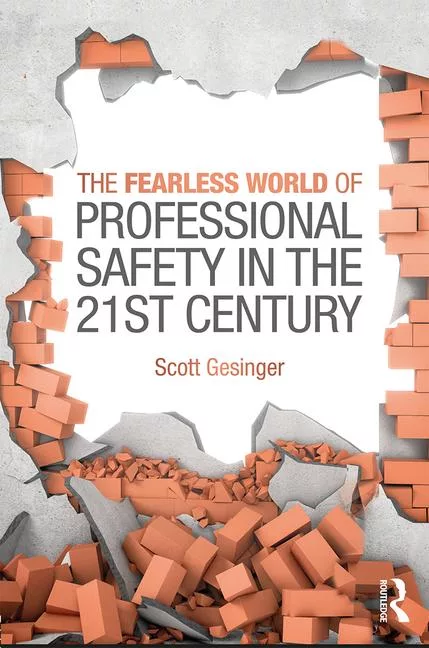
    The Fearless World of Professional Safety in the 21st Century

See More Products

Related Directories

  • MSA - The Safety Co.

    WE KNOW WHAT'S AT STAKE. Unpredictable work environments are often part of the job. That's why it's critically important to have the right safety equipment at the moment it matters most. MSA's complete lines of safety solutions help protect those workers at the heart of your operation.
×

Become a Leader in Safety Culture

Build your knowledge with ISHN, covering key safety, health and industrial hygiene news, products, and trends.

JOIN TODAY
  • RESOURCES
    • Advertise
    • Contact Us
    • Directories
    • Manufacturing Division
    • Store
    • Want More
  • SIGN UP TODAY
    • Create Account
    • eMagazine
    • Newsletters
    • Customer Service
    • Manage Preferences
  • SERVICES
    • Marketing Services
    • Reprints
    • Market Research
    • List Rental
    • Survey/Respondent Access
  • STAY CONNECTED
    • LinkedIn
    • Facebook
    • YouTube
    • X (Twitter)
  • PRIVACY
    • PRIVACY POLICY
    • TERMS & CONDITIONS
    • DO NOT SELL MY PERSONAL INFORMATION
    • PRIVACY REQUEST
    • ACCESSIBILITY

Copyright ©2026. All Rights Reserved BNP Media, Inc. and BNP Media II, LLC.

Design, CMS, Hosting & Web Development :: ePublishing