Opinion
Closing the Ethylene Oxide Safety Gap: OSHA’s Outdated Rules are Threatening Worker Safety
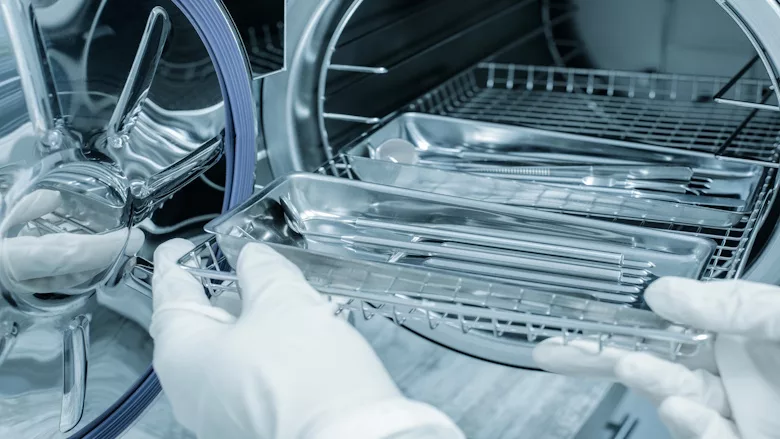
Across the country, thousands of workers in sterilization plants, medical supply distribution centers, and other industrial environments are routinely exposed to a hazardous chemical that could jeopardize their long-term health. Ethylene oxide (EtO) is essential in sterilizing nearly 50% of the devices used in hospitals and clinics. Its role in modern healthcare is critical, but the growing evidence regarding its danger to workers can no longer be overlooked.
Despite decades of research linking EtO exposure to life-threatening diseases, the Occupational Safety and Health Administration (OSHA) has not updated its workplace exposure limits since the early 1980s. Federal agencies are fully aware of the risks. Yet, the regulatory protections meant to keep workers safe remain frozen in time.
A Toxic Industrial Threat Hidden in Daily Operations
Ethylene oxide is prized because it can help sterilize devices that would be damaged by heat or steam-based methods. In many facilities, it has replaced other sterilization techniques such as gamma radiation, electron beam processing, X-ray treatment, and hydrogen peroxide plasma systems. Its effectiveness, however, comes with a steep price.
The Environmental Protection Agency (EPA) classified EtO as a known carcinogen. Long-term low-level exposure can damage cellular DNA, and short bursts of concentrated exposure may lead to breathing problems and respiratory tract irritation, headaches, and neurological symptoms. According to the Centers for Disease Control and Prevention (CDC) and the EPA, years of exposure to EtO can lead to the development of cancers such as leukemia, non-Hodgkin lymphoma, multiple myeloma, and breast cancer.
The communities surrounding EtO facilities are already feeling the impact. In Laredo, Texas, and Jackson, Missouri, projection reports revealed cancer risks 18 times and 11 times higher, respectively, near Midwest Sterilization Group sites. Near a Willowbrook, Illinois Sterigenics facility, the same report showed cancer risk more than 4.8 times the EPA accepted levels. Several California plants have also been linked to increased cancer rates in neighboring areas, and unfortunately, these are just a few examples. A 2023 study identified 31 of 653 EtO-emitting facilities in the U.S. suspected of having an estimated cancer risk greater than 100 in one million. Yet many of them continue operating under OSHA regulations from more than 40 years ago.
Even though the risk projections ended in 2018, the data remain relevant because many diseases associated with EtO develop slowly, sometimes over 15 years after initial exposure to this deadly gas.
OSHA’s Regulations Are Stuck in the 1980s
The last time OSHA updated its permissible exposure limit (PEL) for ethylene oxide was 1984, long before modern toxicology and cancer risk assessments revealed the full danger of the chemical. The EPA now estimates that EtO may be up to 60 times more hazardous to human health than previously believed.
Recently, the EPA updated its rules in an effort to cut EtO emissions by 90% and reduce workplace exposure to 0.1 parts per million (ppm) by 2035. That should be indisputable evidence that EtO regulations should be stricter. Yet OSHA’s current legal EtO exposure limit for an eight-hour work shift remains at 1 ppm, which is 10 times higher than what EPA now considers reasonably safe. This gap in understanding the risks leaves frontline workers without the protections they urgently need.
If Federal Action Falters, Others Must Push Forward for Worker Protection
The EPA has taken a meaningful step towards correlating medical evidence with EtO exposure risks. However, if OSHA delays updating its PELs, the responsibility is shifted towards state governments, as well as labor unions and environmental justice organizations, which must demand immediate policy changes.
Workers deserve exposure regulations grounded in scientific knowledge, along with reliable real-time air monitoring inside and around EtO facilities. Plant operators should be required to install and maintain efficient ventilation and leak-detection systems, as well as provide employees with advanced protective gear. Moreover, medical surveillance and health evaluations of the workers should become standard practice, especially for the employees with longer exposure times within the facility.
These measures are not theoretical solutions. They are practical, achievable, and already in use in safer industrial settings. OSHA’s mission is to protect working Americans, and that responsibility cannot be optional. No one should have to choose between a stable job and their health. Sterile medical equipment is vital to healthcare, but that should never translate into preventable illness among the very people who provide this service. It is past time to bring national workplace safety standards into the modern era and ensure that those supporting America’s medical system are not paying for it with their well-being.
Looking for a reprint of this article?
From high-res PDFs to custom plaques, order your copy today!