ISHN logo
search
cart
facebook twitter linkedin youtube
  • Sign In
  • Create Account
  • Sign Out
  • My Account
ISHN logo
  • NEWS
    • Today's News
    • Global Safety News
    • Government Regulations
  • PRODUCTS
    • Product Innovations
    • Featured Products
  • TOPICS
    • Environmental Health and Safety
    • Facility Safety
    • Workplace Health
    • Occupational Safety
    • PPE
    • More Topics
  • CONSTRUCTION
  • TECHNOLOGY
  • COLUMNS
    • Best Practices
    • Dave Johnson: What’s going on
    • Editorial Comments
    • Leading Safety
  • MULTIMEDIA
    • ISHN Podcast
    • Videos
    • Cold Stress Education Quiz
    • Webinars
    • White Papers
  • MORE
    • Buyer's Guide
    • Newsletters
    • Convention Companion
    • Polls
    • Events
    • ISHN Store
    • Sponsor Insights
  • EMAGAZINE
    • eMagazine
    • Archived Issues
    • Contact
    • Advertise
  • JOIN TODAY!
Facility SafetyWorkplace Training Strategies

How to Engineer a Safer Flow of People and Equipment in Your Warehouse

By Ellie Gabel
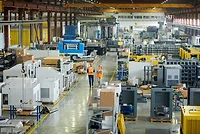
OHS professional inspecting a warehouse

Photo credit: E+ / Getty Images Plus

December 29, 2025

Warehouses are constantly in motion, presenting their own unique stakes. Accidents, disruptions and injuries negatively impact the workflow of a warehouse. With these tips, facility managers and manufacturers can implement a safer flow to protect the people and equipment within a facility.


Why Managing Flow is Critical

It is crucial to manage a warehouse’s flow to prevent accidents and minimize disruptions. Warehouses are dangerous places — over 2.5 million cases of nonfatal workplace injuries were recorded in 2023. Some causes of these incidents include unclear pathways, sharing unfit spaces and turning around blind corners. A well-organized system creates a safer and more efficient environment for workers, helping to meet the long-term goals of the company.


How to Improve Warehouse Flow

Workers and leadership can implement the following strategies to improve warehouse flow.

Create Floor Markings

One common issue with warehouses is a lack of organization. It can be difficult to navigate through certain areas of the building due to an absence of clear pathways. Floor markings facilitate organization. 

Color-coded markings alert workers when they enter a dangerous zone or deviate from designated routes. They also create boundaries to separate safe and unsafe areas. Many even find it easier to train employees when the markings clearly indicate the direction to follow, as floor markings make the entire process run smoothly and limit wrong turns.

Train Employees

Every employee in the warehouse should receive proper training. Operating vehicles, being aware of pedestrians and using dangerous tools require learned skills. Teams can encourage ongoing training sessions to ensure workers remain knowledgeable about equipment updates. Some companies are even implementing virtual reality software as a safe way to train workers operating large machinery.

Implement New Guardrails

Traditionally, developers built warehouse guardrails out of steel or metal. However, when machines run into railings, the steel cracks the floor, leading to extensive damage and project delays. Polymer or other flexible materials are the new alternative. They reduce overall damage by molding back into shape after impact, leading to fewer setbacks. Some rails come with sensors to collect crash data and alert workers to vulnerabilities.

Utilize Modern Technology

There are many ways to implement modern technology and create a safer flow in warehouses. Artificial Intelligence (AI) collects valuable data and provides solutions to issues if they arise. It also detects vulnerabilities and alerts necessary personnel. Automation is another prominent technology. Robots and other software can perform repetitive tasks, reducing injuries and enabling workers to focus on more demanding, intensive duties. 

Various smart devices also improve warehouse flow. Internet of Things, or IoT, devices collect and share data to improve efficiency. Shipping and data software gather information on shipping processes and identify the fastest transportation routes. They can also deliver data to the appropriate personnel, ensuring a smoother and more secure workflow. 


Benefits of a Safer Warehouse Flow

A safer warehouse flow improves business and work conditions. Below are some of the key benefits.

Cost

Improving the flow limits the financial burden of accidents. Paying injured workers, medical bills and machine repairs can cost companies a lot of money that they could utilize elsewhere. Incidents also lose valuable time, harm employee morale and lessen a business’s reputation when orders are late. Some improvements with modern technology have a high up-front cost, but can save money in the long run.

Regulations

Facility managers and manufacturers must operate within certain regulations. OSHA requirements and governmental laws prohibit and encourage certain actions in warehouses. Implementing a safer flow helps manufacturers comply with regulations and avoid impromptu inspections due to multiple violations. A solid floor plan may lower insurance rates due to the reduced risk of danger.

Safety

When employees work under a strict flow, they are protected from certain dangers. For example, robots keep workers away from hazardous situations, and sensors determine vulnerabilities and alert employees to be more cautious in certain areas. AI analyses identify unsafe behaviors and risky actions, alerting managers and preventing future discrepancies. 


Inspire Staff to Change

Adding new software and practices to a warehouse can be challenging, especially if workers are set in their ways and resistant to disruptions. Managers should be receptive to their concerns while still assuring them that the changes are beneficial. 

When discussing how to incorporate new technology, invite employees into the room and hear their opinions. Allow them to suggest potential concerns and listen to their feedback. Workers will be less resistant if they feel they helped implement it.

Incorporating new techniques and machines into an already established workflow may halt some projects. If managers make large changes, a full shutdown may occur. To avoid this, strategically implement practices into the workflow to minimize disruption times as much as possible. This can also help facility managers and employees identify what works and what does not.

Demonstrate the success of operations as well. Identify key metrics and incident reductions to prove the new system works. When employees can see real results, they are more inclined to approve of new technologies and equipment.


Create the Flow

A safer warehouse flow involves intentional design, smart technology and a clear process. Evaluate current warehouse management plans and make adjustments to improve the flow to ensure safer and more efficient processes. 

KEYWORDS: warehouse safety

Share This Story

Looking for a reprint of this article?
From high-res PDFs to custom plaques, order your copy today!

Ellie Gabel is a freelance writer passionate about keeping up with the latest innovations and advancements in science and technology and covering how they're impacting the world we live and work in. She’s also the associate editor of Revolutionized.com.

Recommended Content

JOIN TODAY
to unlock your recommendations.

Already have an account? Sign In

  • forklift safety

    Exploring the latest technologies in forklift safety

    With more staff and more stock in warehousing now more...
    Workplace Training Strategies
    By: Josh Cramer
  • welding

    All about welder’s flash or arc eye

    A flash burn is a painful inflammation of the cornea,...
    Environmental Health and Safety
  • dangerous jobs

    The 10 most dangerous jobs in the U.S.

    On-the-job deaths have been rising — hitting the highest...
    Occupational Safety
    By: Benita Mehta
Manage My Account
  • eMagazine Subscriptions
  • ISHN Newsletter & Other Newsletter Alerts
  • Online Registration
  • Manage My Preferences
  • Subscription Customer Service

More Videos

Sponsored Content

Sponsored Content is a special paid section where industry companies provide high quality, objective, non-commercial content around topics of interest to the ISHN audience. All Sponsored Content is supplied by the advertising company and any opinions expressed in this article are those of the author and not necessarily reflect the views of ISHN or its parent company, BNP Media. Interested in participating in our Sponsored Content section? Contact your local rep!

close
  • man wearing the the Sundström SR200 Full Face Mask Respirator
    Sponsored byOHD

    5 Fit Testing Mistakes That Could Cost You

  • This image shows Magid AcuSpex polarized blue mirrored safety glasses.
    Sponsored byMagid Glove and Safety

    Construction PPE Guide: What Crews Need for Each Task

  • lone worker in confined space
    Sponsored byAlphasense Ltd.

    GET THE LEAD OUT of your Safety Oxygen Sensors!

Popular Stories

SpaceX 7 launch

OSHA Investigating Fatal Fall at SpaceX Starbase

dust explosion

Tennessee OSHA Issues Record $3.1M Fine After Deadly Explosion at Munitions Plant

roofing dangerous jobs Getty.jpg

OSHA Finds Florida Roofing Company Willfully Exposed Workers to Safety Hazards After Worker’s Fatal Fall

top 10 most dangerous jobs

Poll

Seasonal Readiness

With the federal heat stress prevention rule on the horizon, which area of your safety program needs the most attention?
View Results Poll Archive

Products

Surviving an OSHA Audit A Management Guide, 2nd Edition

Surviving an OSHA Audit A Management Guide, 2nd Edition

See More Products

ISHN Podcasts

Related Articles

  • Midnight in your warehouse

    See More
  • Rite-Hite

    From Rite-Hite: Beat the heat in your warehouse this summer

    See More
  • Manufacturing plant communication

    5 tips to protect people and equipment from damage in your plant

    See More

Related Products

See More Products
  • Top Ten Pitfalls in OSHA Recordkeeping and How to Avoid Them

See More Products

Related Directories

  • SonicAire

    SonicAire is the global leader in engineered solutions for combustible dust control. Our patented fan systems use BarrierAire™ technology to prevent dust from settling in overhead and hard-to-reach areas—helping facilities stay compliant with OSHA, NFPA, and insurance requirements. Thousands of manufacturers across wood products, food, grain, textiles, plastics, and more trust SonicAire to: Eliminate the risk of dust-related fires and explosions Automate housekeeping in overhead areas Protect worker health with improved air quality Reduce manual cleaning costs and production downtime Our systems are engineered for your facility, installed with precision, and backed by our Compliance Guarantee—because when it comes to safety, good enough is never enough. Create a cleaner, safer, and more compliant facility with SonicAire. ���� Visit www.SonicAire.com or call (336) 712-2437.
  • Hughes Safety Showers

    Hughes design and manufacture emergency safety showers, eye/face wash units and decontamination equipment to provide you with a safer working environment, greater protection against serious injury and peace of mind that you’re compliant with crucial safety standards. From mains and tank fed safety showers to portable self-contained eye washes, we have solutions for every environment.
×

Become a Leader in Safety Culture

Build your knowledge with ISHN, covering key safety, health and industrial hygiene news, products, and trends.

JOIN TODAY
  • RESOURCES
    • Advertise
    • Contact Us
    • Directories
    • Manufacturing Division
    • Store
    • Want More
  • SIGN UP TODAY
    • Create Account
    • eMagazine
    • Newsletters
    • Customer Service
    • Manage Preferences
  • SERVICES
    • Marketing Services
    • Reprints
    • Market Research
    • List Rental
    • Survey/Respondent Access
  • STAY CONNECTED
    • LinkedIn
    • Facebook
    • YouTube
    • X (Twitter)
  • PRIVACY
    • PRIVACY POLICY
    • TERMS & CONDITIONS
    • DO NOT SELL MY PERSONAL INFORMATION
    • PRIVACY REQUEST
    • ACCESSIBILITY

Copyright ©2026. All Rights Reserved BNP Media, Inc. and BNP Media II, LLC.

Design, CMS, Hosting & Web Development :: ePublishing