Coal Ash, Wildfire Ash, Urban Fire Ash: What Makes Each Type Uniquely Dangerous
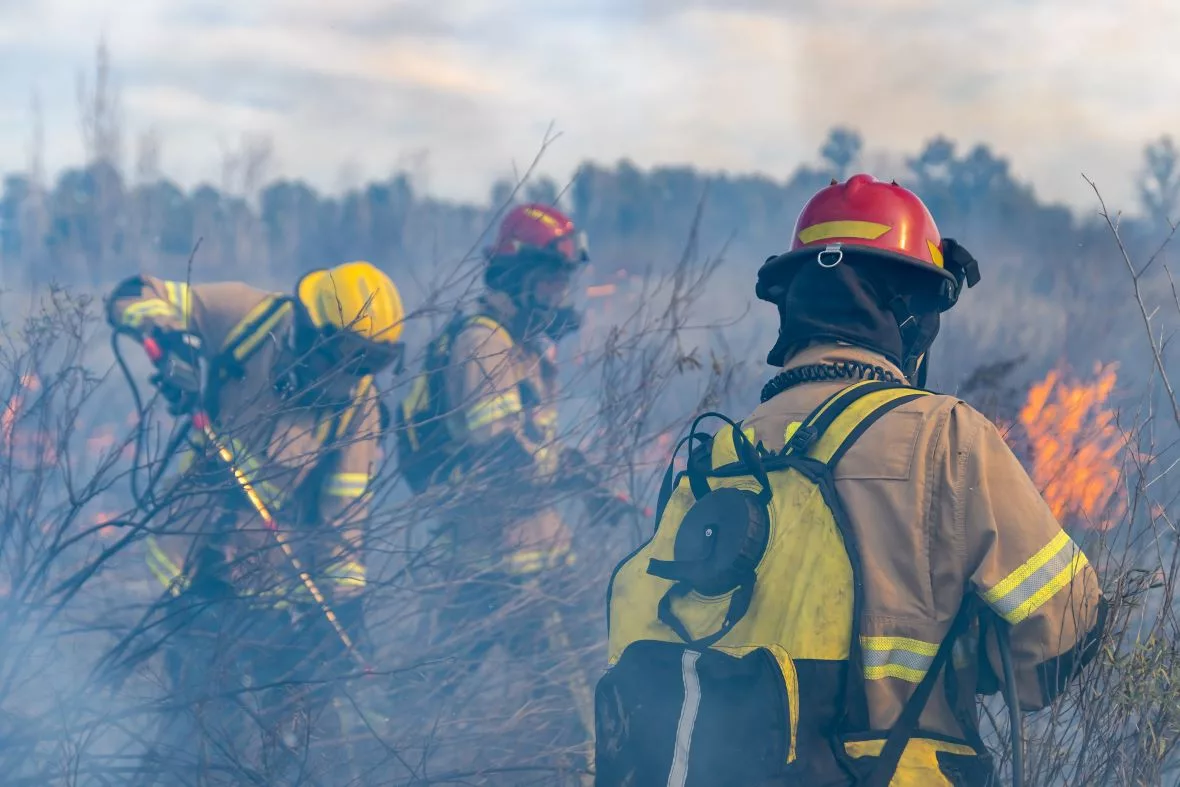
Wildfires are ravaging areas they have never previously affected. Every region, from urban localities to rural areas with coal-burning plants, can experience ash variants, which have different dangers associated with their composition. Knowing how to tackle distinct cases makes safety professionals better equipped to handle their threats in a prompt and productive manner.
Differences Between Ash Types
While the environmental and public health effects of ash can overlap, each type has characteristic safety measures and dangers that health experts should be aware of.
Coal Ash
Coal combustion residuals (CCRs) comprise all by-products from power plants that burn coal. This can include elements heavy metals like mercury and lead or radioactive elements like uranium. Other compounds, like alumina, may also be present. However, silicon dioxide is the most prominent, alongside aluminum and iron oxides, among others.
These can manifest in the air and pose immense dangers when inhaled. Chronic lung disease caused by silica, known as silicosis, is a common condition.
It also enters the water and soil, causing places like Town of Pines, Indiana, to become a Superfund site, with cleanup still in progress after over two decades. Its soils contained arsenic from CCRs at a level 1,300 times greater than the Environmental Protection Agency’s recommended levels. New risks are still being uncovered, including increased cancer risk and diabetes.
Wildfire Ash
In 2018, California lost Paradise and around 85 citizens to the Camp Fire. Ever since then, wildfires in the state have been on the rise, leaving little in their wake except burned infrastructure, biomass and ash.
The remnants contain some nutrients that are actually beneficial to soil, such as potassium and phosphorus. However, it also contains dangerous particulate matter 2.5 (PM2.5) and poses a high risk of spreading contaminants, such as asbestos and heavy metals, in geographic regions with high concentrations of these pollutants.
It may also contain other inorganic compounds from infrastructure being burned down, including plastics and solvents. This makes wildfire ash some of the most dangerous based on composition variety alone. These are extremely dangerous when inhaled in the short and long term, leading to respiratory and cardiovascular problems. It can also lead to conditions like:
- Dementia
- Preterm birth
- Alzheimer’s
- Various cancers
Urban Fire Ash
Suburban and urban areas have numerous buildings and vehicles that produce ash. From fireplaces to heavy construction equipment, the contents of urban ash are diverse and toxic. They contain by-products from burning plastics and synthetic materials, like polychlorinated biphenyls. They may also contain mercury and lead from sources such as lighting fixtures or paint. Gasoline and oil also emit polycyclic aromatic hydrocarbons from many places, including cigarettes and incinerators.
Skin contact, inhalation and ingestion are all concerns for urban and suburban residents. Some experts argue that it is more dangerous to live in these areas due to the high concentrations of pollutants and toxins, especially if air quality appears to be at safe levels. This is because many contaminants in urban fire ash are not included in the air quality index, despite leading to long-term health risks to the respiratory system and development.
Mitigating the Impacts of Every Kind of Ash
Health and safety professionals can help the public survive these side effects by creating an ash-free environment in their facilities and in communities. They can also maintain a higher-than-expected standard of air quality.
Implement a Comprehensive Personal Protective Equipment (PPE) Program
Experts must wear and advertise the benefits of the PPE that is most effective against specific types of ash. This includes:
- Breathing protection: A NIOSH-certified N95 respirator is the minimum expectation around wildfire and coal ash, while a P100 respirator is ideal around urban fire ash. Other peripherals include organic vapor cartridges and powered air-purifying respirators.
- Eye protection: Anyone going out into vulnerable areas should wear safety goggles that adhere well to the face.
- Skin protection: The entire body should be covered, with special attention paid to the hands and face to prevent skin absorption. Gloves and other disposable clothing are ideal.
For those with weakened immune systems or those navigating areas affected by recent fires, these are the best ways to stay protected.
Provide Education to Citizens
Many buildings can control ash from spreading effectively. For example, pollutants like urban ash, which frequently come from fireplaces, will harm fewer buildings if cleaned correctly. Health professionals can guide those dealing with the side effects of urban ash — which include asthma and more — to learn how to care for their household fixtures more responsibly. Cleaning ash with a dedicated ash vacuum and an N95 mask will help families enjoy fireplaces with fewer dangers.
Utilize Engineering Controls and Safe Work Practices
Helping communities cope with the effects of ash occurs before and after they may seek medical care. Health and safety professionals need to take action in the field to prevent its spread. Dust suppression technology is one of the most essential resources, which includes wetting ash with misters to slow how fast it travels in the air. This works for all ash varieties.
Workers should also execute containment, ventilation and cleanup based on the ash’s composition. All ash types should lead buildings to shut down their HVAC systems to halt circulation. Negative air machines are another resource for handling urban ash.
For cleanup, professionals should use compliance-recommended, industrial-grade HEPA filters to capture as much as possible. Machinery like sweepers is not recommended, as they spread ash and cause it to resuspend in the air. It must be redirected into an easily sealable, heavy-duty bag. States and local governments have guidelines for each type of ash, especially coal and wildfire ash, which require unique care to prevent long-term issues.
Establish Rigorous Decontamination and Hygiene Procedures
People may carry contaminants and ash on their person without being aware of it. It can rest on the skin, clothes and hair. Individuals working in high-risk areas, such as construction sites near fire zones, must undergo rigorous decontamination procedures before leaving. This means removing gloves, coveralls and masks for cleaning or ethical disposal. Personal hygiene stations and clean change areas must be available.
Hygiene procedures should be robust for workers, but they also apply to the sites themselves. For example, coal workers should also be aware of the closure and decontamination regulations surrounding CCR units. This must happen within the designated time frame to keep people safe.
Beyond the Burn
From PM2.5 to various dioxides, ash in its many forms must be contained and treated with utmost precision. Each mineral, toxin, metal and pollutant needs targeted care for productive healing. The resulting ailments from inhalation, contact and consumption are still expanding, requiring health professionals to have a wide array of tools and skills to handle each effectively. Knowing the dangers is most of the battle, as it informs what actions to take for recovery.
Looking for a reprint of this article?
From high-res PDFs to custom plaques, order your copy today!


