Workplace Safety Must Keep Up with Quickly Changing Winter Conditions
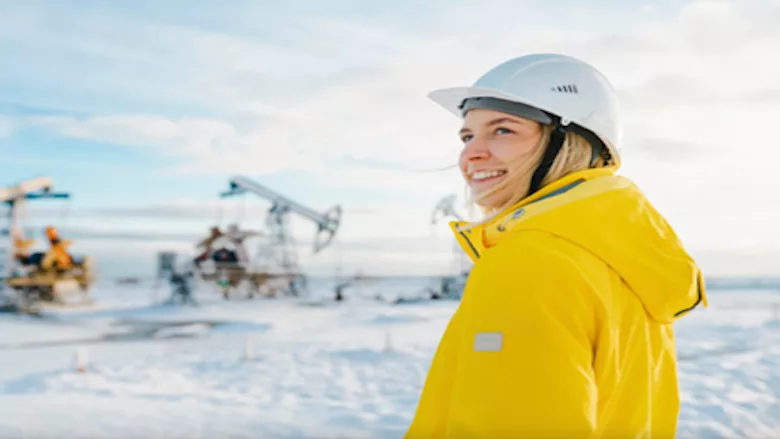
Winter weather is becoming less predictable. Sudden cold snaps, temperature swings, and icy conditions add complexity to the everyday risks safety teams already manage. According to NOAA, winter storms cost U.S. businesses billions each year—one major storm alone can result in $1 billion in lost productivity and damages. For field teams and lone workers, winter weather can quickly turn routine tasks into high-risk situations.
The question isn’t whether these challenges will happen, it’s how prepared you will be when they do. Too many teams still rely on outdated paper checklists and gut instinct—leaving workers exposed when the weather turns. Digital solutions give safety leaders new ways to prepare ahead, manage in the moment, and respond quickly when things go wrong. And, while AI is starting to play a role, the most effective strategies keep people at the center.
Prepare: Anticipate Seasonal Hazards Before They Escalate
Winter safety starts with visibility: cold stress, icy surfaces, and chemical storage issues are common winter hazards. Digital risk assessments that encompass weather risks help teams surface these hazards earlier, building a clearer picture of where winter conditions are most likely to cause harm. Equally, having chemical safety data organized and accessible via mobile, especially temperature-critical information, means teams can make informed decisions quickly, even when working remotely or in the field.
Preparation is also about readiness of people, not just processes. As winter approaches, refresher training becomes essential. Integrated training and learning tools with AI-augmented quizzes can help reinforce awareness of cold-related hazards, particularly during fast seasonal transitions when crews may be shifting tasks or locations.
Manage in the Moment: Support Workers Wherever They Are
Black ice, rapid freeze–thaw cycles, equipment stress in extreme cold: anyone who’s worked outside in the winter knows conditions can change fast. For lone workers and field teams, timely guidance — and timely backup — can make all the difference. Weather-aware, AI-powered checklists can prompt extra PPE checks, work-rest adjustments, and hazard reviews as conditions change. And for those working alone, lone worker apps for two-way check-ins, panic alerts, and fall detection add an extra layer of support, helping supervisors spot when someone may need help even before a situation becomes critical. In some cases, alerts informed by local weather data can provide early warning when temperatures drop or storms move in.
Supervisors can gain visibility into field conditions live inspection updates, task completion status, and lone worker activity overviews, helping them support crews even when not physically present. This “human in the loop” approach ensures technology enhances decision-making without replacing it, and that frontline workers still rely on expert oversight when evaluating complex winter hazards.
Respond: Act Fast When Things Go Wrong
Even with strong preparation, some incidents will occur. When they do, speed matters. Streamlined incident and emergency management tools help teams coordinate responses, whether dealing with a slip on ice or a chemical issue triggered by freezing temperatures. Centralized dashboards keep everyone aligned during disruptive winter events, enabling faster communication and more effective resolution, regardless of location.
Over time, this information becomes just as valuable as the immediate response. Patterns in cold-related injuries or near misses can reveal where controls need strengthening before the next season arrives. Those insights allow organizations to move from reacting to winter hazards to learning from them.
The Role of AI in Weather Readiness: Assisting, Not Replacing
AI has an important role to play in improving worker safety, particularly in areas like trend analysis and dynamic checklists. But in safety-critical environments, too many touted solutions lack the depth and data-training needed for AI to become a true “silver bullet” for weather readiness. Tools must be trained, transparent, and designed to support—not override—human expertise.
The most effective EHS, chemical management, and emergency response programs treat AI as an assistant: surfacing insights, supporting consistency, and helping teams focus attention where it matters most. Human judgment, accountability, and experience remain essential, especially when conditions are unpredictable and stakes are high.
4 Moves to Make Now for Winter Safety
Winter hazards aren’t new, but the pace and unpredictability are. When you strengthen preparation, real-time management, and response readiness, you can protect workers, maintain compliance, and build resilience into your processes and systems for whatever comes next.
- Digitize your hazard checklists and align them with changing weather conditions.
- Use AI-supported training to deliver winter hazard training at the moment of risk.
- Ensure supervisors can see and support lone workers in real-time.
Looking for a reprint of this article?
From high-res PDFs to custom plaques, order your copy today!